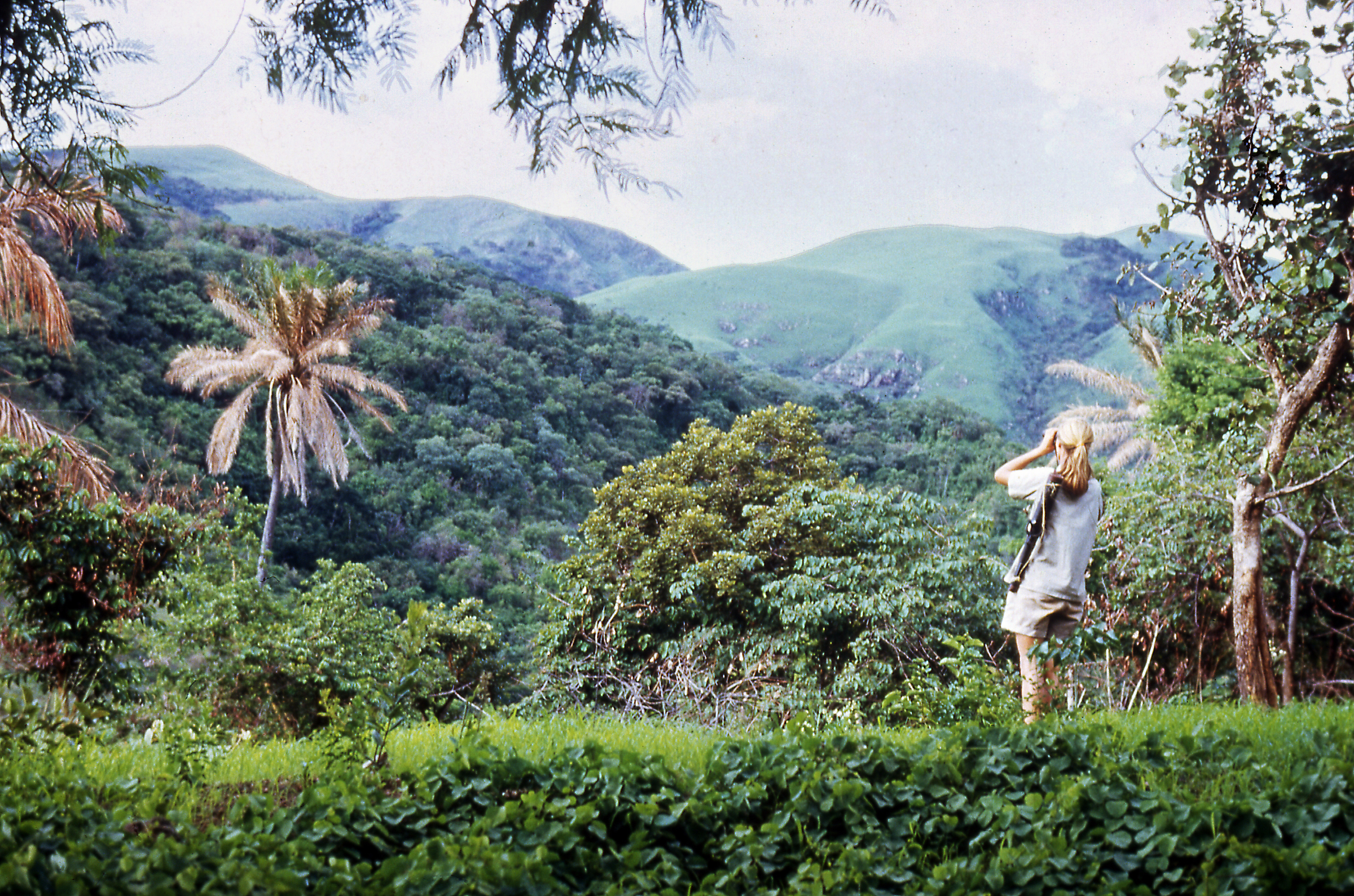
In the late 1980s, Dr. Jane Goodall flew over Gombe National Park and the surrounding area in a small plane. She was deeply shocked. When she began her Gombe research, the area was part of the forest belt that stretched across equatorial Africa. But from the plane she looked down on a small island of green forest — the park — surrounded by bare, treeless hills. The land was over farmed, infertile, and depleted.
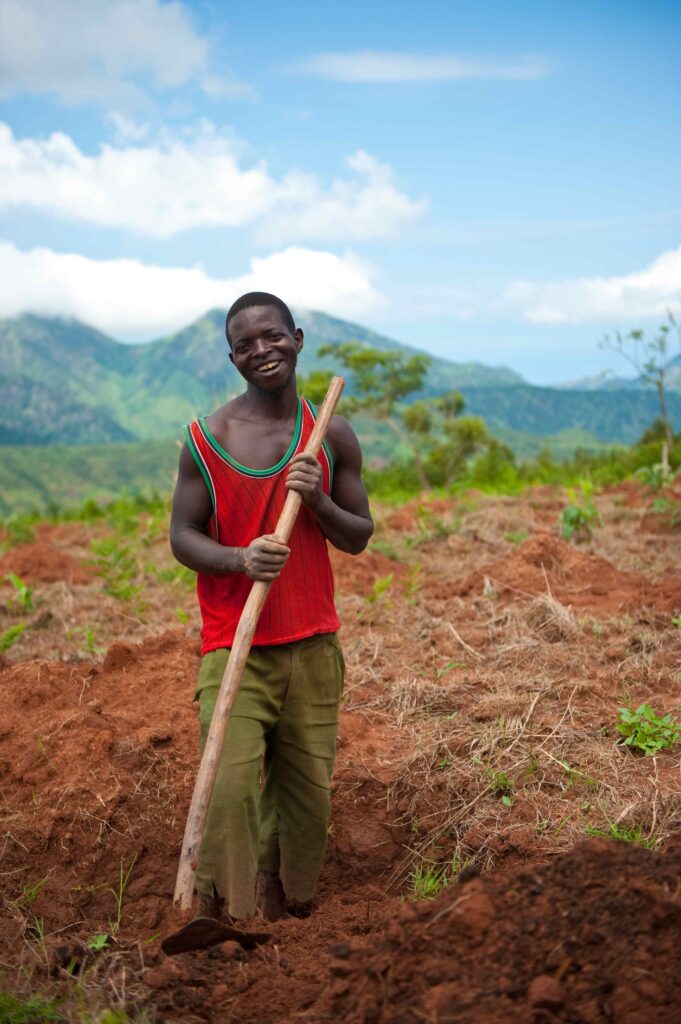
Local communities had cut down the trees for farmland, charcoal, or to sell to feed their families. Without the trees, the soil was washed into the lake with each rainy season, causing severe erosion and landslides. As resources began to disappear, women were having to travel farther and farther to access water and fuel. Jane saw that the wellbeing of the people and the surrounding habitats had to be addressed together.
That's when it hit me that unless we could help people find ways of making a living without destroying their environment, we could not hope to protect chimpanzees, their forests, or anything else. And so, the idea for Tacare began.
- Dr. Jane Goodall, DBE, Founder of the Jane Goodall Institute and UN Messenger of Peace
In 1994, the Jane Goodall Institute initiated the TACARE (Lake Tanganyika Catchment, Reforestation, and Education) project in 12 villages around Gombe, officially launching Jane’s approach of community-led conservation. Tanzanian TACARE staff with expertise in agriculture, forestry, water management, and health collaborated with village leaders to create a comprehensive plan focused on restoring the land while addressing the needs of the people and biodiversity.
Now, the Jane Goodall Institute is implementing our proven approach to community-led conservation, known as Tacare, across all programs.
Working with Communities to Identify Conservation Strategies
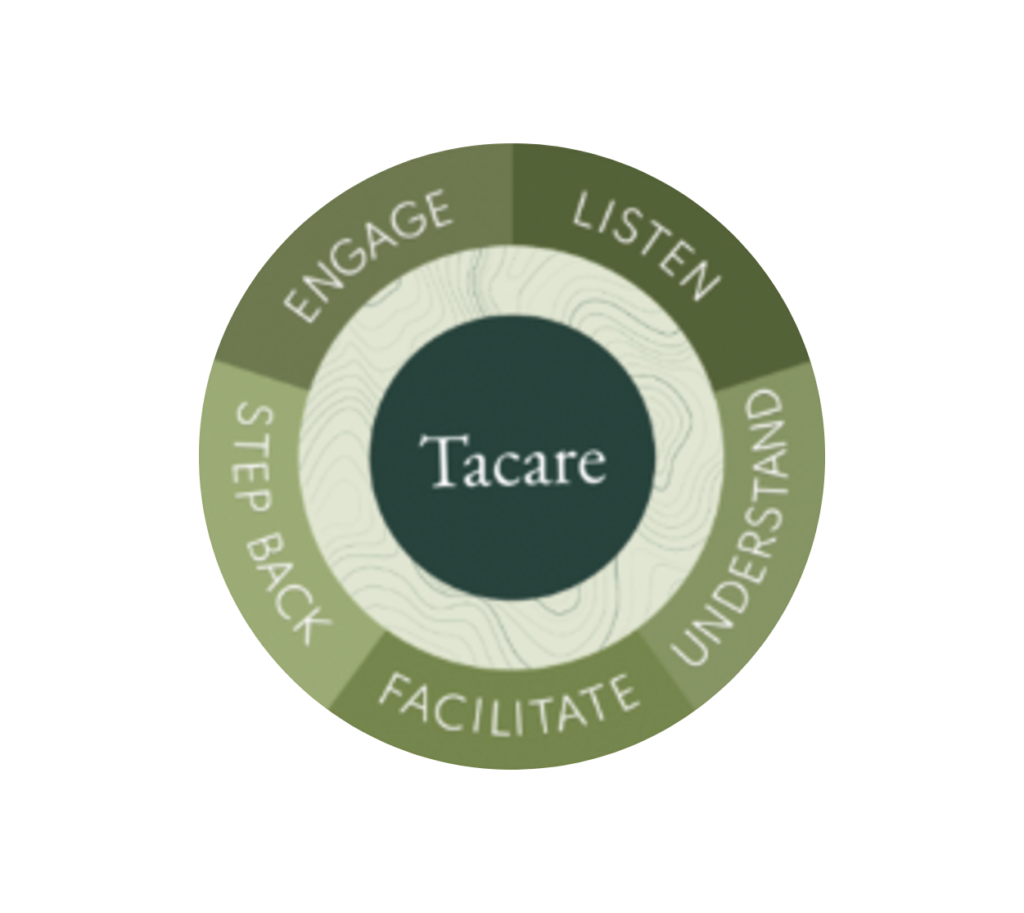
Tacare rests on four fundamental phases: Engage, Listen, Understand, and Facilitate — with a fifth, Step Back, in cases where the community elects not to participate further.
Feature Story: The Sweet Success of Tanzanian Beekeeping
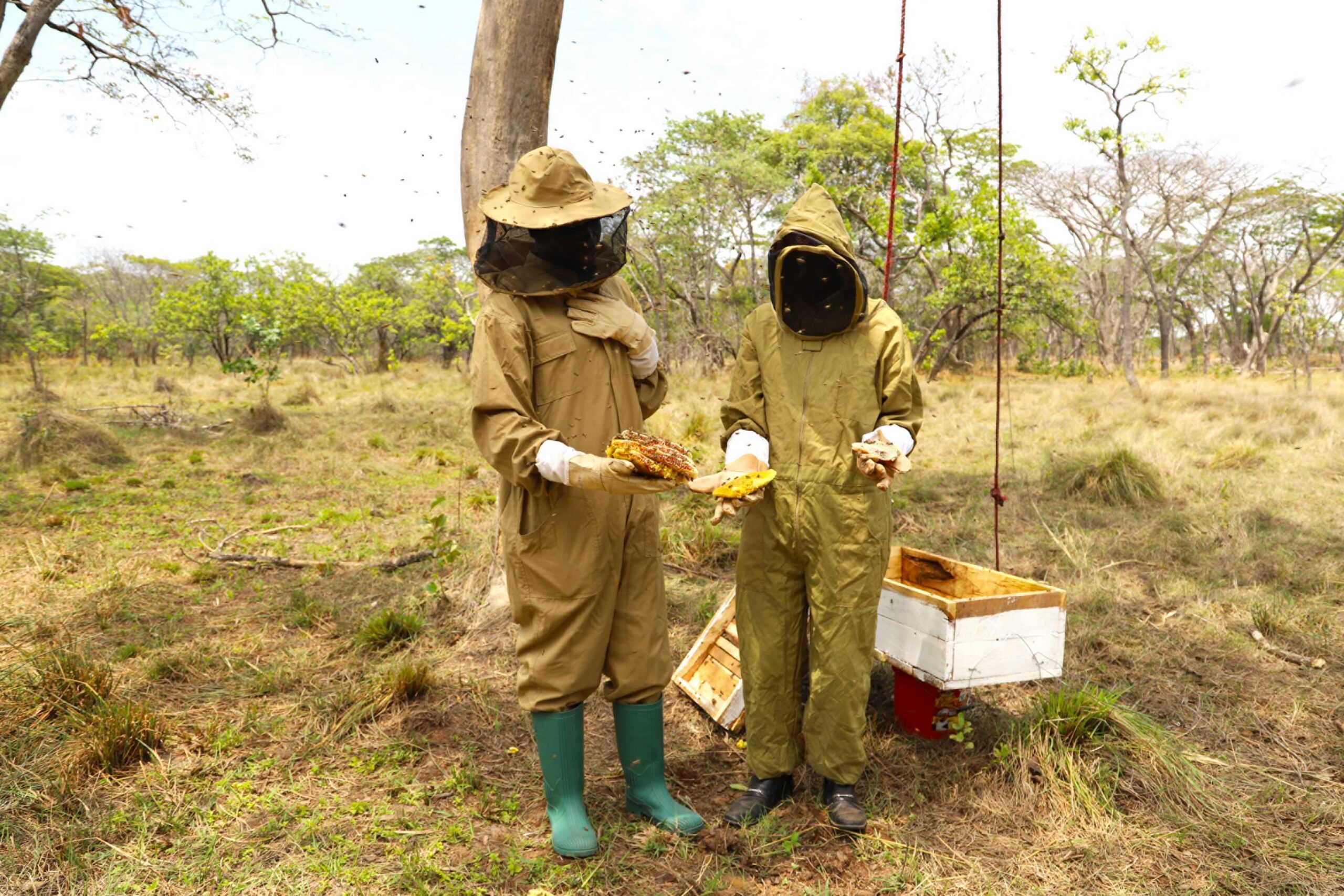
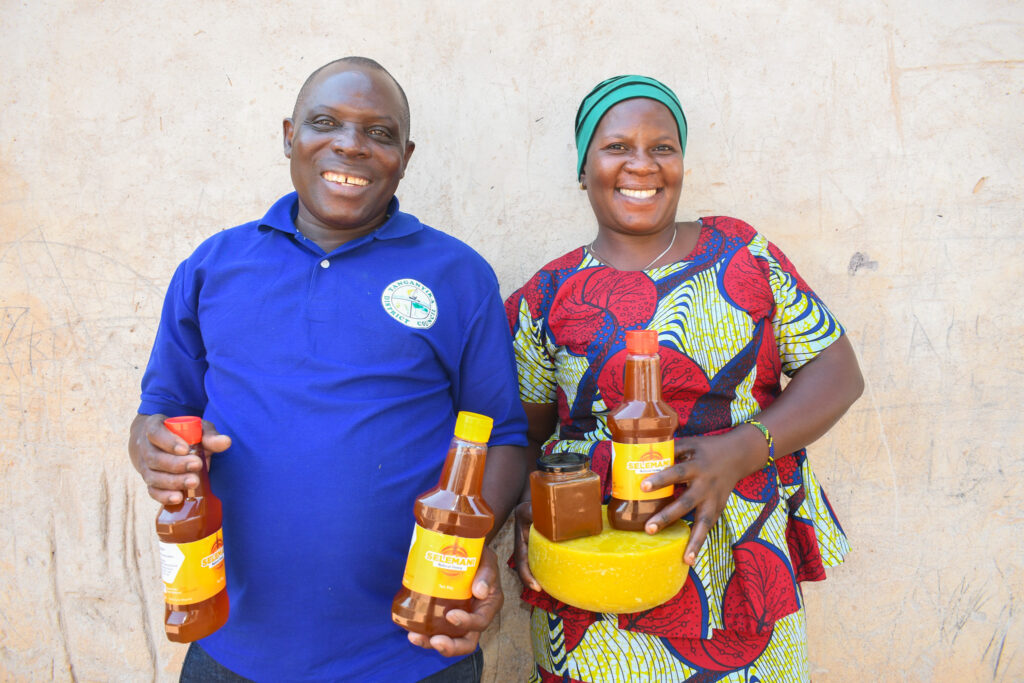
Abdallah Kakoso and Rehema Humud never expected that bees would change their life. Now, with support from JGI, these two entrepreneurs are transforming their communities through sustainable beekeeping.
With forests shrinking due to unsustainable farming and firewood collection, Abdallah and Rehema had limited livelihood opportunities around them. Everything changed when they received training and resources from the Jane Goodall Institute to establish their own beekeeping enterprise. A few hives grew into 200, and soon they were able to harvest and sell 661 pounds of pure, uncontaminated honey in markets across Tanzania each year.
Beyond providing a stable income, beekeeping also became a way for Abdallah and Rehema to protect their local ecosystems. By earning sustainable income from honey, Abdallah and Rehema no longer have to rely on activities like charcoal production or unsustainable farming, which drive deforestation and habitat loss. Plus, bees play a vital role in pollination, ensuring the health of trees and other plants that provide critical habitat for wildlife.
Abdallah and Rehema’s success is testament to the incredible impact of beekeeping — not just for individuals, but for entire communities and ecosystems.
I am who I am today because of beekeeping ... We’re making real progress.
- Abdallah Kakoso
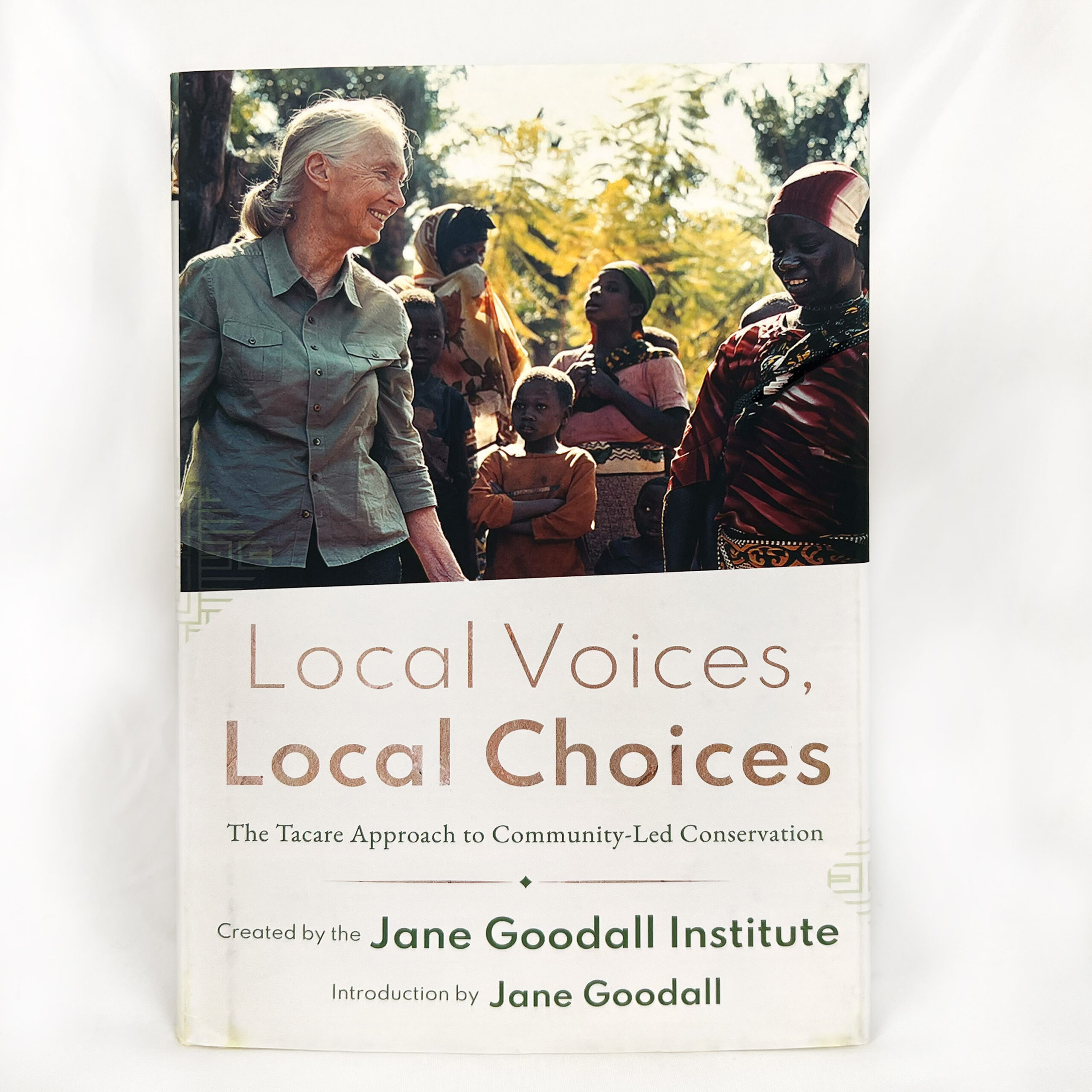
Local Voices, Local Choices: JGI's Guide to Tacare
Local Voices, Local Choices: The Tacare Approach to Community-Led Conservation is the story of the Jane Goodall Institute’s holistic approach to conservation, which puts local people in charge of preserving their surrounding ecosystems. Story by story, this book brings readers into the diverse perspectives behind this approach to community-driven conservation, not only those of JGI staff and program partners but also, and equally, those of the local people who lead these initiatives.
Written for conservationists, fans of Dr. Jane Goodall, and readers interested in environmental issues, Local Voices, Local Choices is a vibrant expression of Jane’s vision and her hope that the Tacare approach will be understood and adopted wherever there is a need for genuine community-driven conservation.
Local voices matter, and their choices can make all the difference for generations to come.
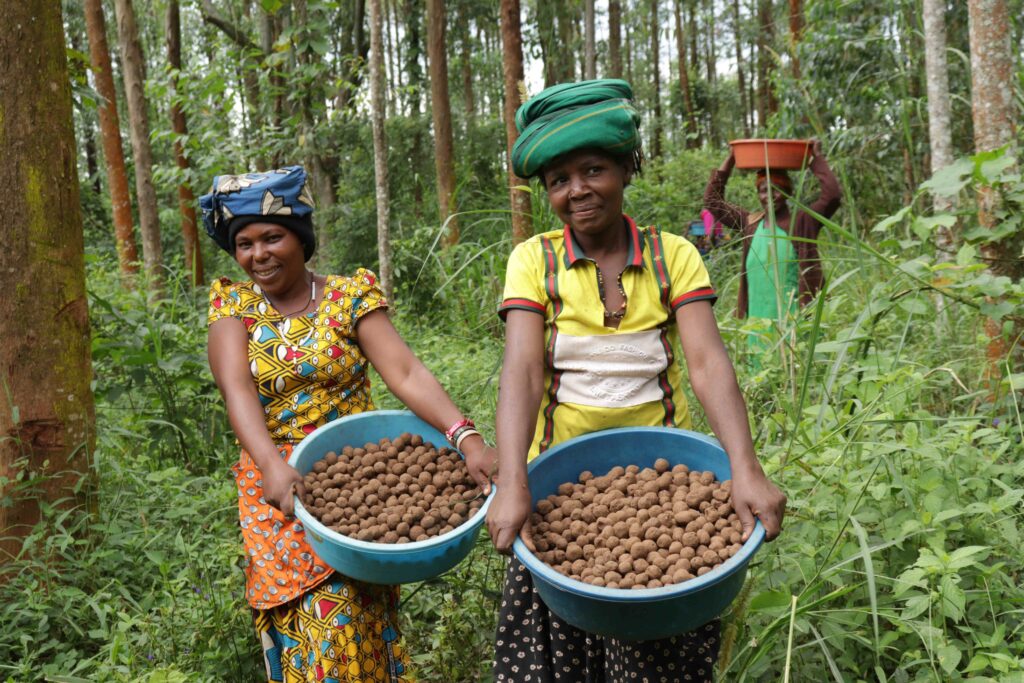
Local community members in Uganda create seed balls through the Jane Goodall Institute to help restore forests and combat deforestation. These seed balls support reforestation efforts by making it easier to plant native trees and strengthen local ecosystems.
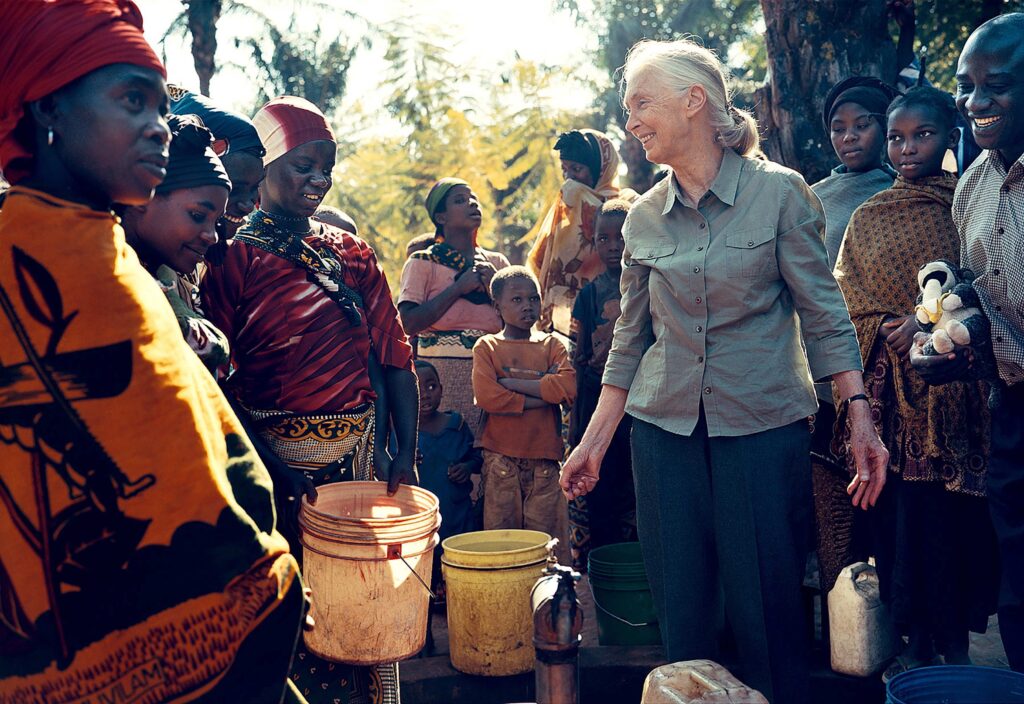
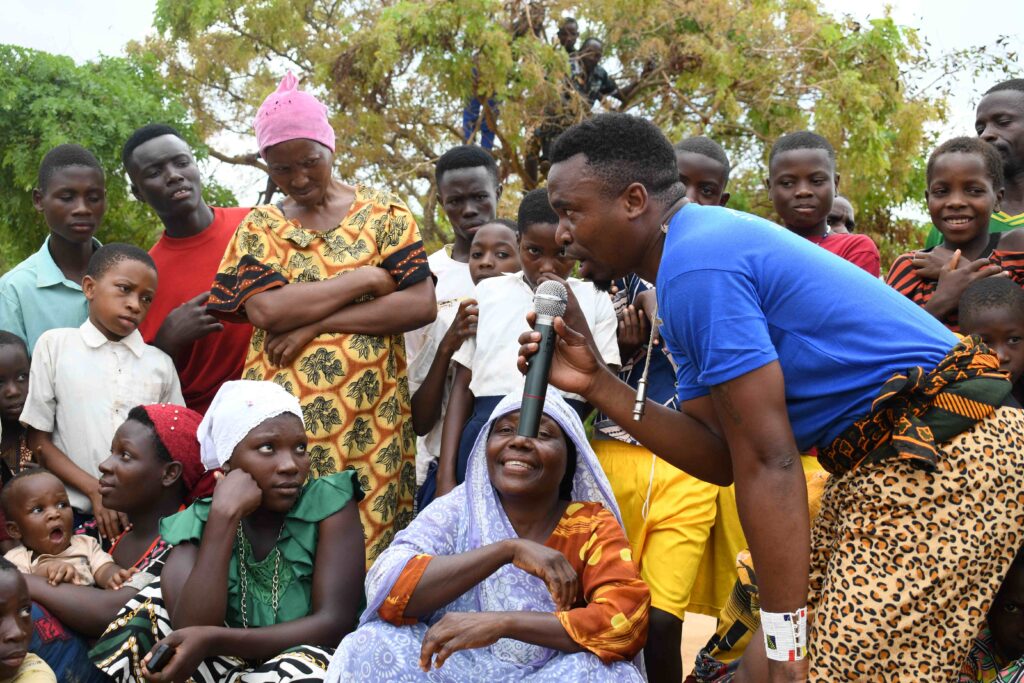
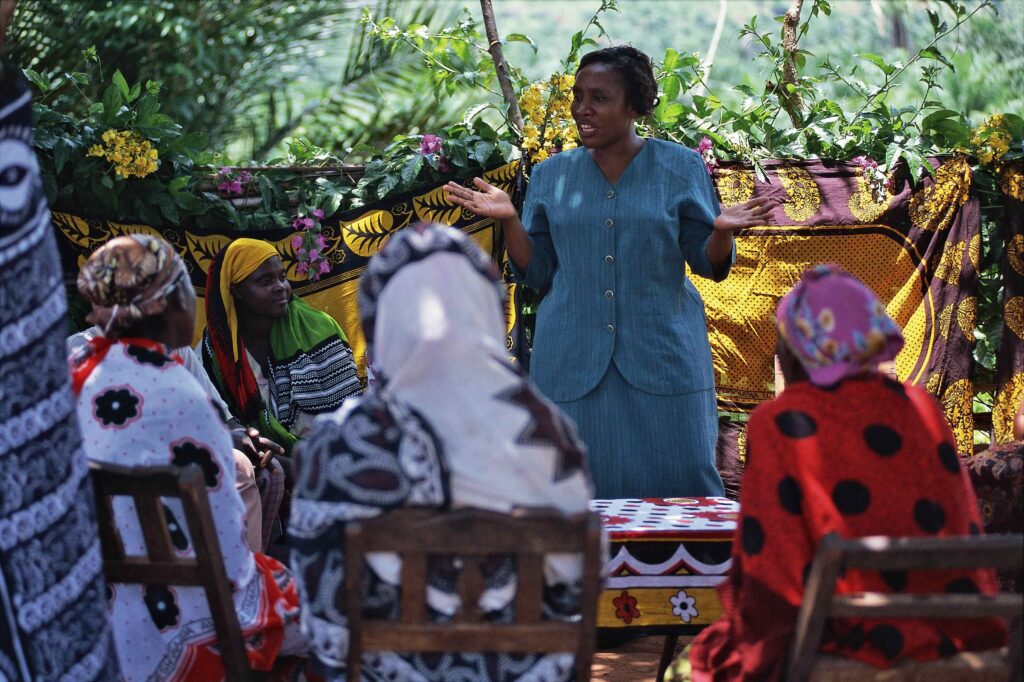
Mary Mavanza speaks with village women about community initiatives through the Jane Goodall Institute’s Tacare program, which supports improved health, sustainable livelihoods, and long-term community development.
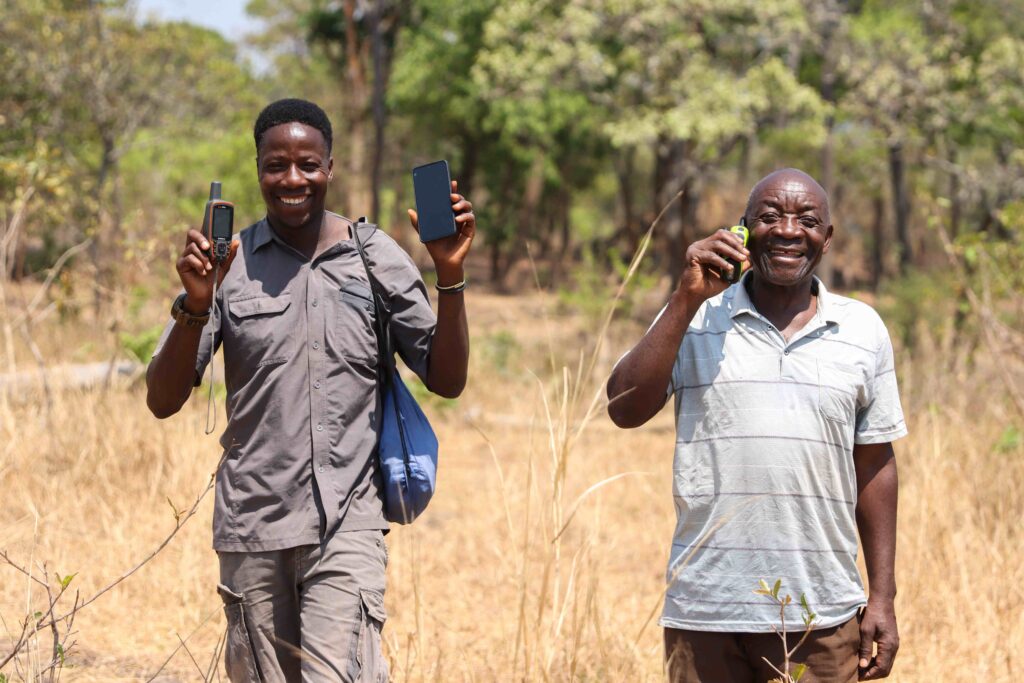
Mashaka Kalutwa and Tanu Lukandamila walk along a GPS grid line during a survey in the Masito Ugalla Ecosystem, supporting forest monitoring and conservation research efforts in the region.
Photo credits: Norman Jean Roy, Hugo van Lawick, Nick Riley, Sofia Fernandez Navarro, Michael Pandisha, Stephano Lihedule, Picasa, Andy Nelson