
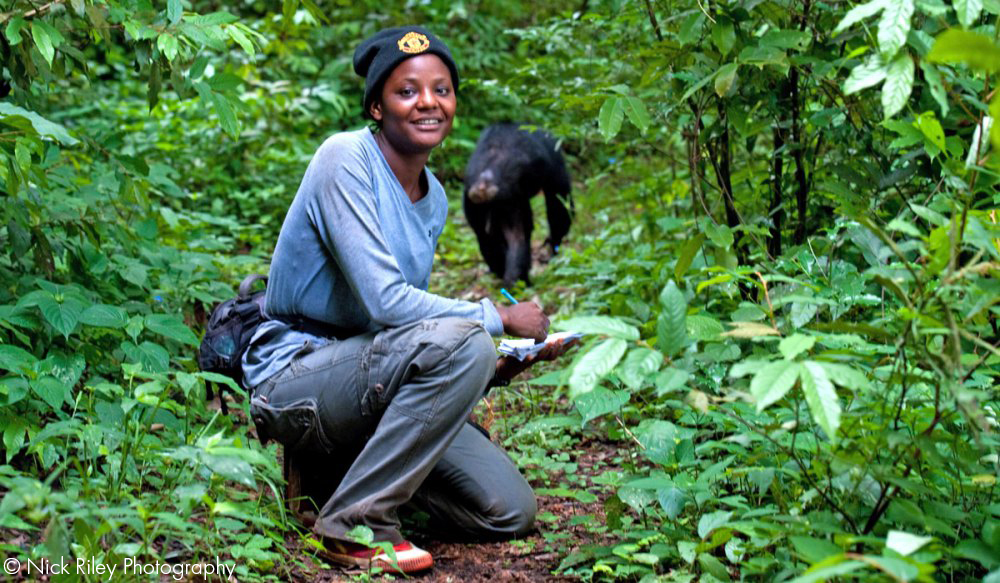

Gombe researchers conduct long-term research into wild chimpanzees, baboons, and wider biodiversity to expand our knowledge of animal behavior and inform conservation practices.
Gombe Research in Action
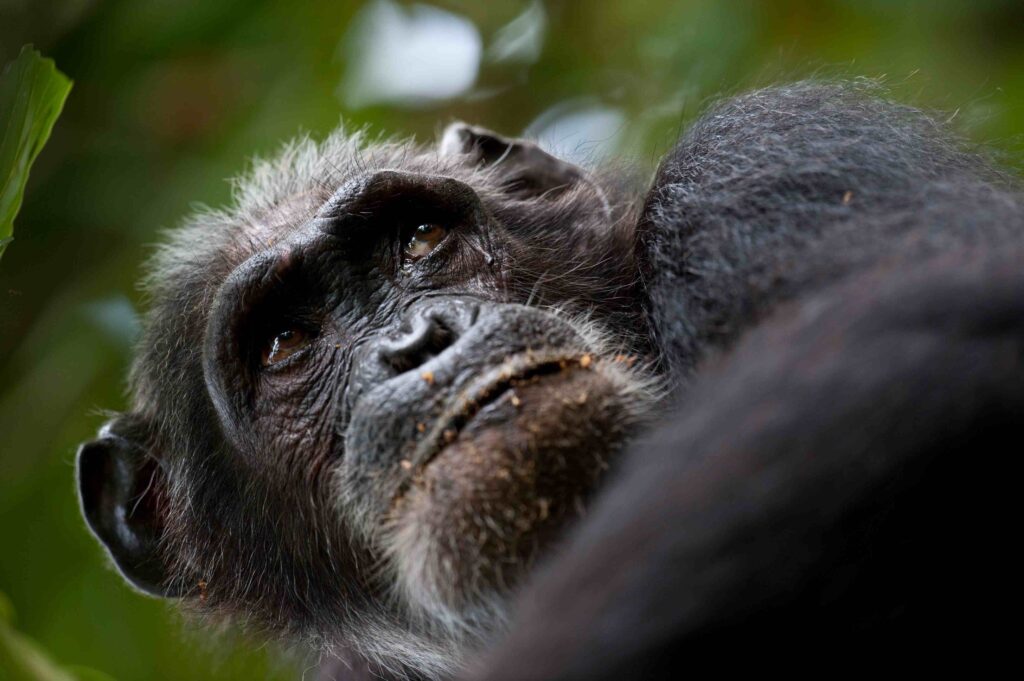
Through a study launched by Jane herself, researchers are continuing to research how a chimpanzee’s upbringing affects their success as an adult.
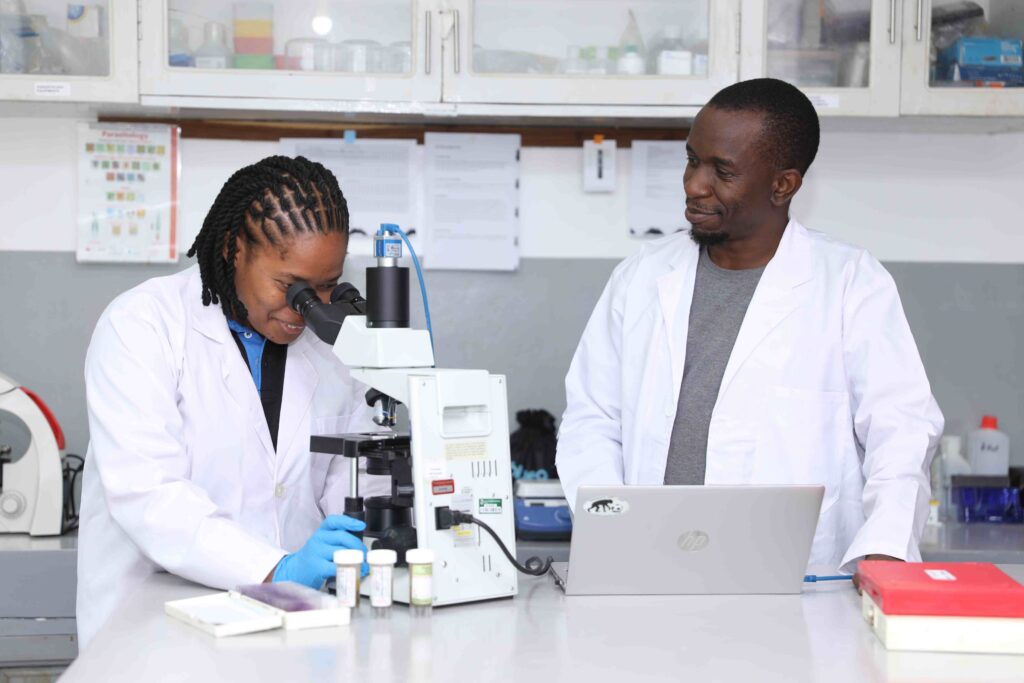
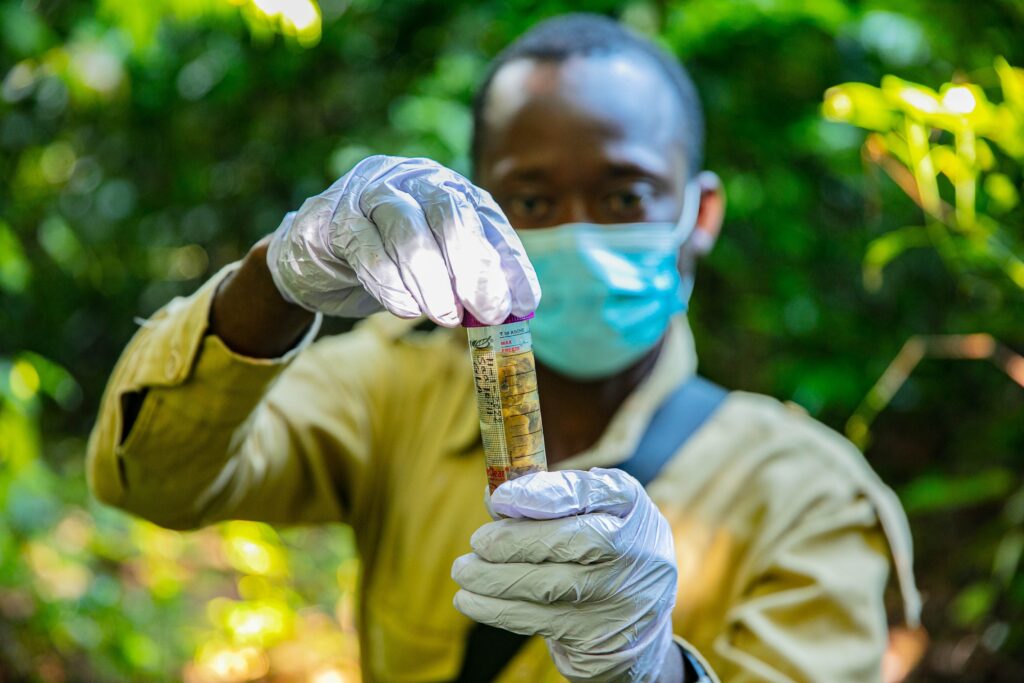
Gombe researchers and colleagues have worked for decades, including at Gombe’s on-site laboratory, to understand the relationship between the health of humans, wildlife, and ecosystems.
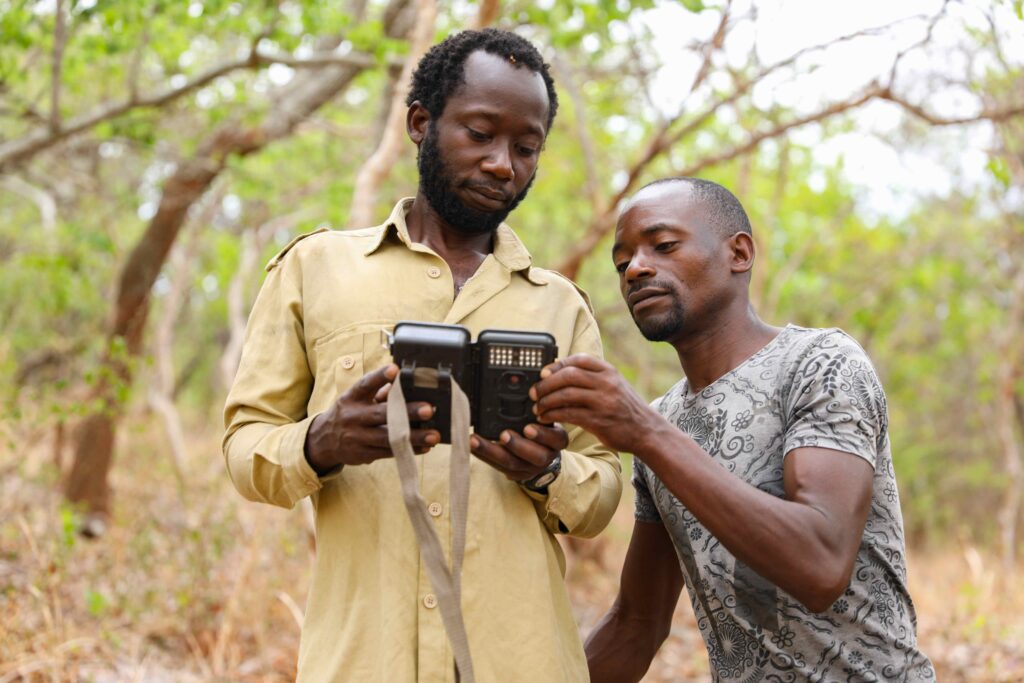
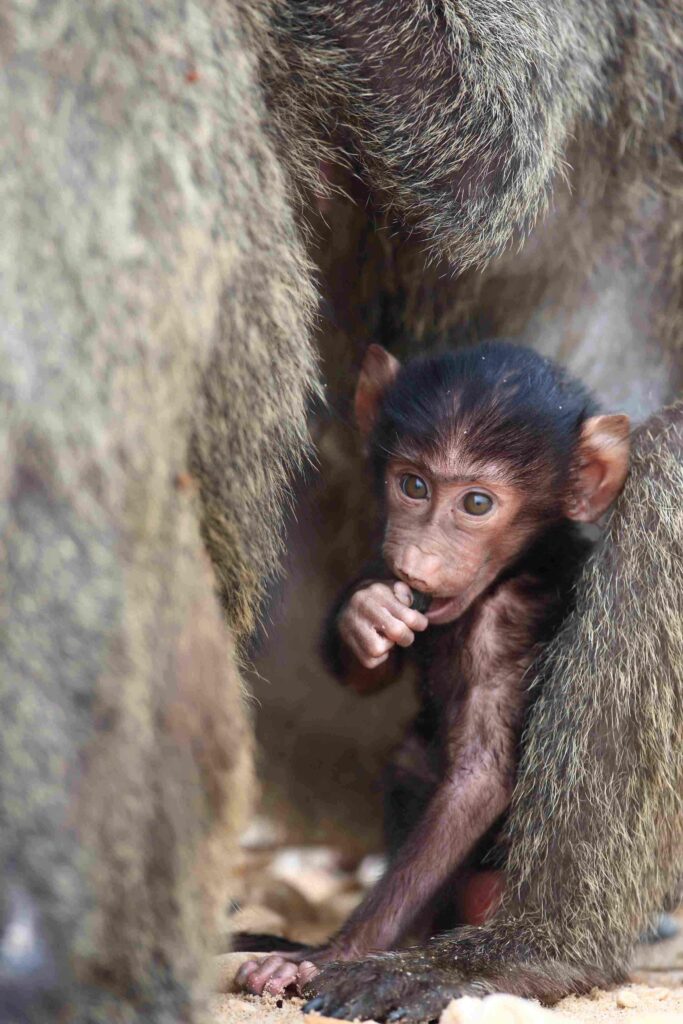
Researchers extend beyond chimpanzees to study other primates, including a long-running baboon study. They also observe the greater ecosystem through camera traps and bioacoustics.
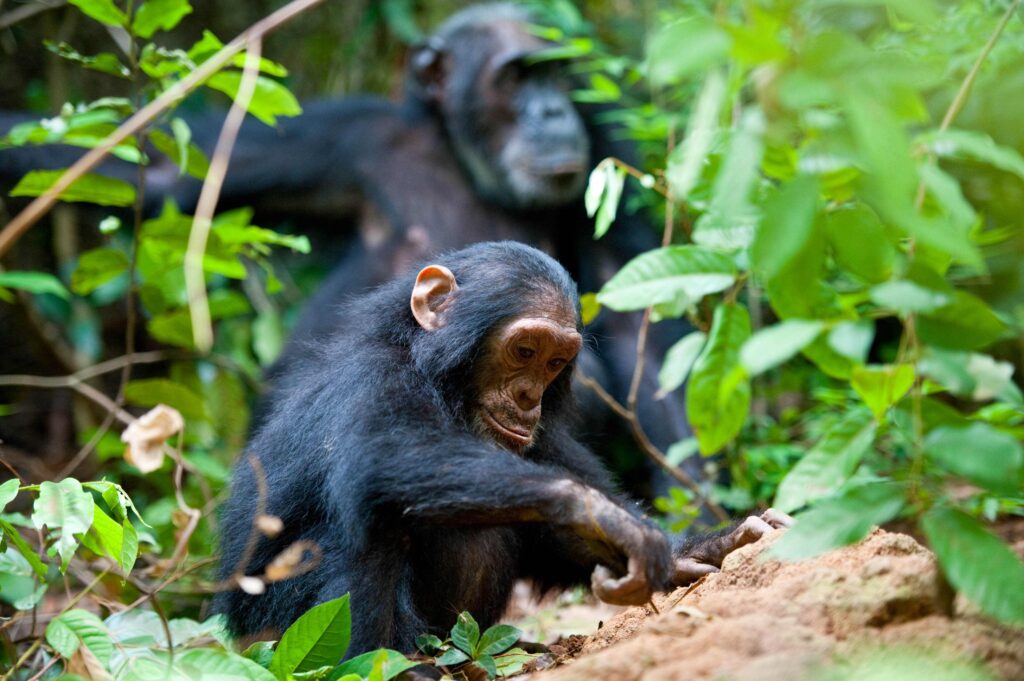
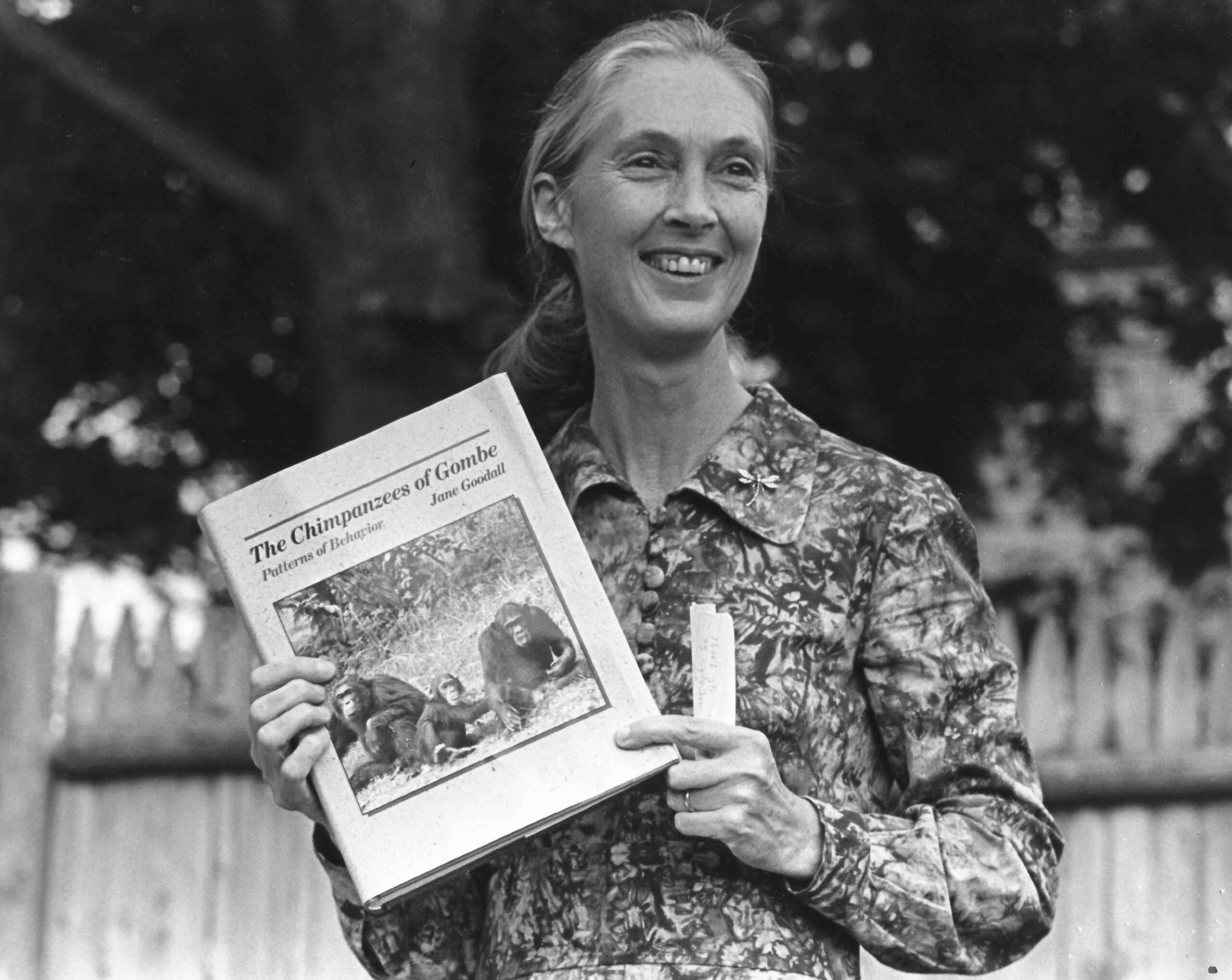
Dr. Goodall’s decades of research profoundly influenced the fields of primatology, animal behavior, human evolution, health, and psychology. Her discovery that chimpanzees make and use tools shattered the idea that humans, once known as “man the toolmaker,” are separate from the animal kingdom. Today, Gombe remains a living laboratory, sparking curiosity and producing groundbreaking scientific research and conservation insights.
Today, Gombe blends classic methodologies with cutting-edge technology. With compassion at the core of our approach to science, many of these new tools allow us to collect and view data non-invasively and with greater accuracy.
In 2025, the Jane Goodall Institute celebrated 65 years of research at Gombe Stream Research Center. As part of our celebrations, we took time to reflect on the eras of Gombe research, and looked ahead to the future of this invaluable work.
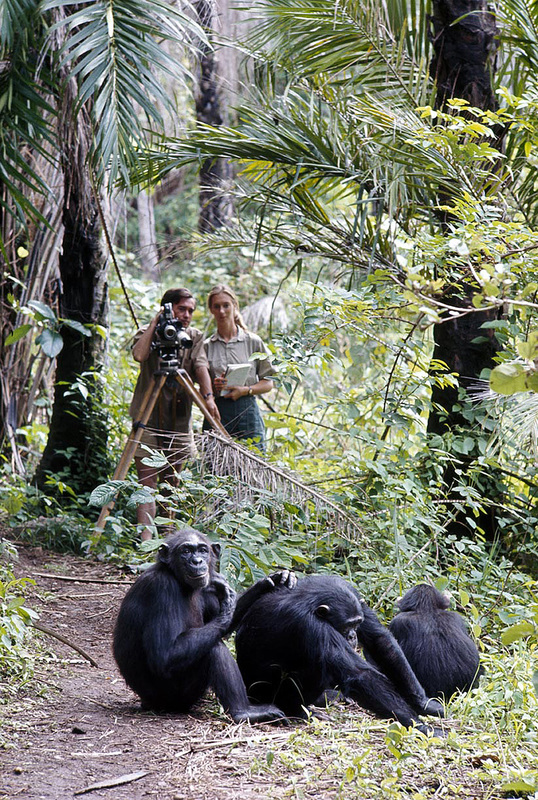
It all began in 1960 when a 26-year-old Jane Goodall arrived in what is now Gombe, Tanzania. In 1960, she witnessed chimpanzees stripping leaves from twigs to fish for termites, a landmark discovery that marked the first recorded instance of non-human tool use in the wild. She also documented chimpanzees hunting colobus monkeys and sharing meat with one another — suggesting complex cooperation and social reciprocity. These findings painted a far more nuanced picture of chimpanzee societies — capable of deep bonds, collaboration, and conflict.
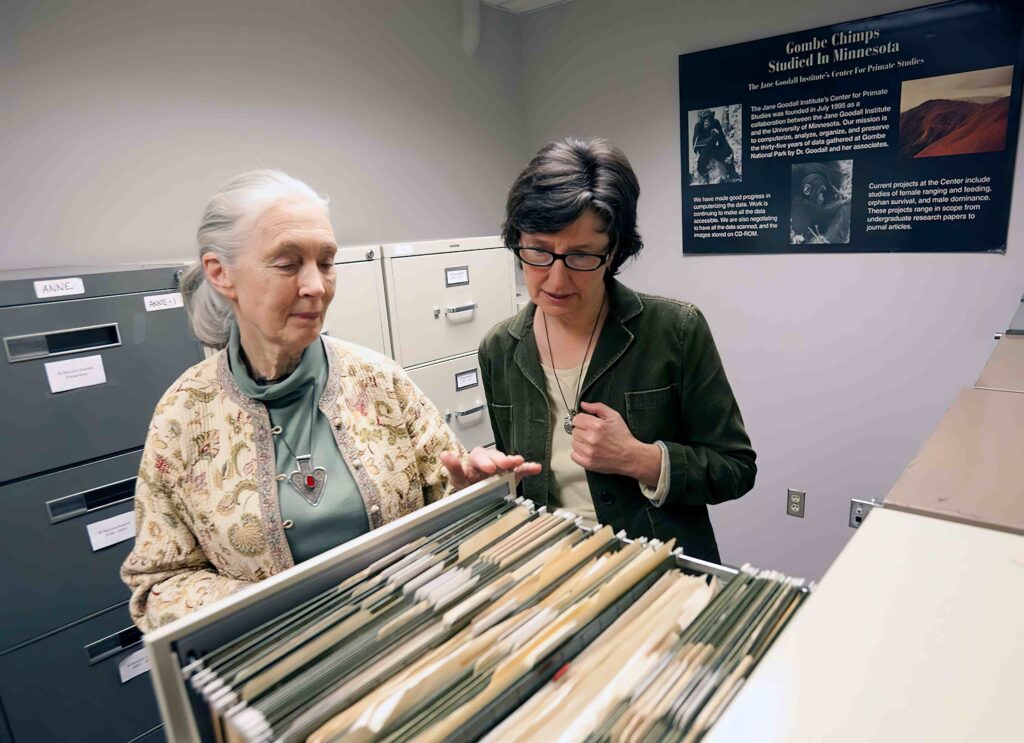
As new technologies emerged in the late 1990s and early 2000s, JGI researchers began asking deeper questions and developing new, safer methods of data collection. By 2001, genetic analysis using fecal samples allowed scientists to examine genetic markers — such as those indicating parent-offspring or sibling relationships — and trace kinship among chimpanzees. This kind of analysis revealed surprising divisions between communities that aren’t apparent through behavioral observation alone — and significantly, these insights emerged without interfering with the chimpanzees’ natural behavior.
This most recent era of Gombe research — spanning from the 2010s to today — has been marked by an integrated approach that combines behavioral observation, genetic data, and long-term monitoring to inform broader conservation strategies. Recent studies have revealed that males with strong social bonds sire more offspring, chimpanzees avoid mating with close relatives, and chimpanzee intergroup aggression is a natural behavior. By connecting how chimpanzees live, interact, and reproduce with the broader challenges they face, researchers are uncovering what it truly takes to support their survival in the wild.
Lorem ipsum dolor sit amet consectetur. Mattis magna duis odio in non morbi sapien morbi gravida. Et est urna ultricies consequat sit bibendum nunc. Pulvinar adipiscing elit vitae diam mauris faucibus mi mi molestie. Posuere eget suspendisse id feugiat purus varius libero. Tincidunt aenean iaculis fermentum sed posuere odio nec.
Download more information on our research at Gombe and explore our Gombe story map.
Jane Goodall was 26 years old when she arrived on Lake Tanganyika in East Africa (now Gombe, Tanzania) to study the area's chimpanzee population.
One of the most important things we can do to protect chimpanzees is spread awareness about threats facing them like the illegal wildlife trade, habitat loss, climate change, and disease. You can also support organizations like the Jane Goodall Institute working to ensure their future.
Chimpanzees mostly eat fruits, nuts, seeds, blossoms, leaves, and many kinds of insects. They also sometimes hunt and eat small mammals such as bushbuck or monkeys.
This number varies depending on active research projects from across the Gombe network, but more than 200 researchers and field assistants have conducted research at Gombe.
Photo credits: Stephano Lihedule, Vanne Goodall, Nick Riley, Cyril Russo, Bill Wallauer
“These discoveries [at Gombe] were made possible through decades of continuous observation, collaboration with scientists around the world, and advances in technology once unimaginable.”
Dr. Anthony Collins, Director of Baboon Research at Gombe Stream Research Center