Tchimpounga Sanctuary

JGI’s Tchimpounga sanctuary — officially Tchimpounga Chimpanzee Rehabilitation Center — in the Republic of the Congo cares for and rehabilitates African wildlife injured or orphaned by the illegal wildlife trade.

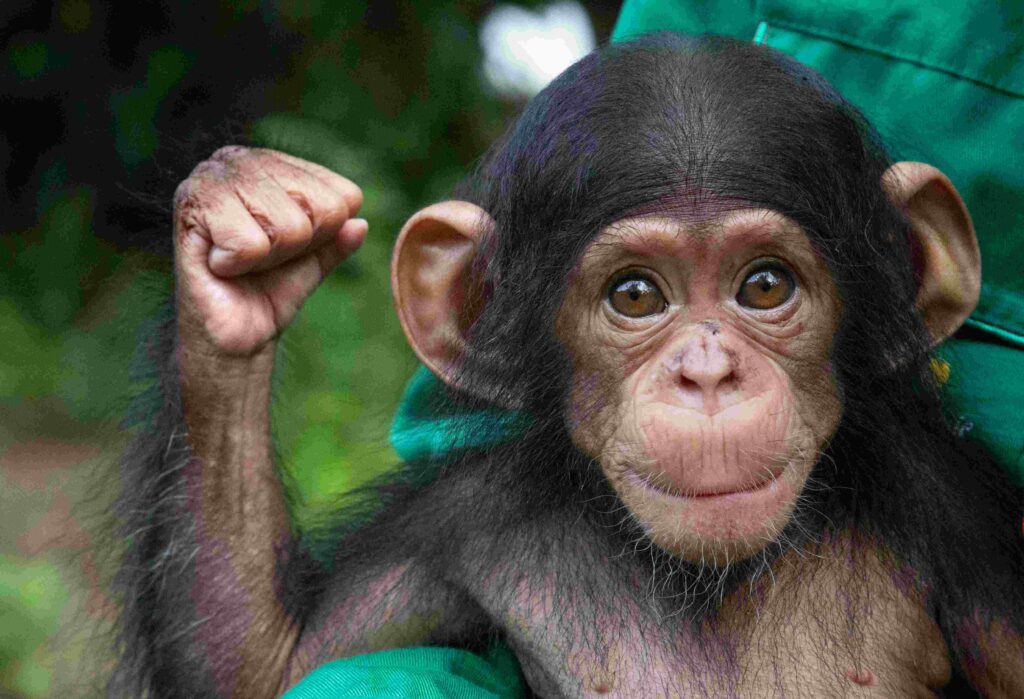
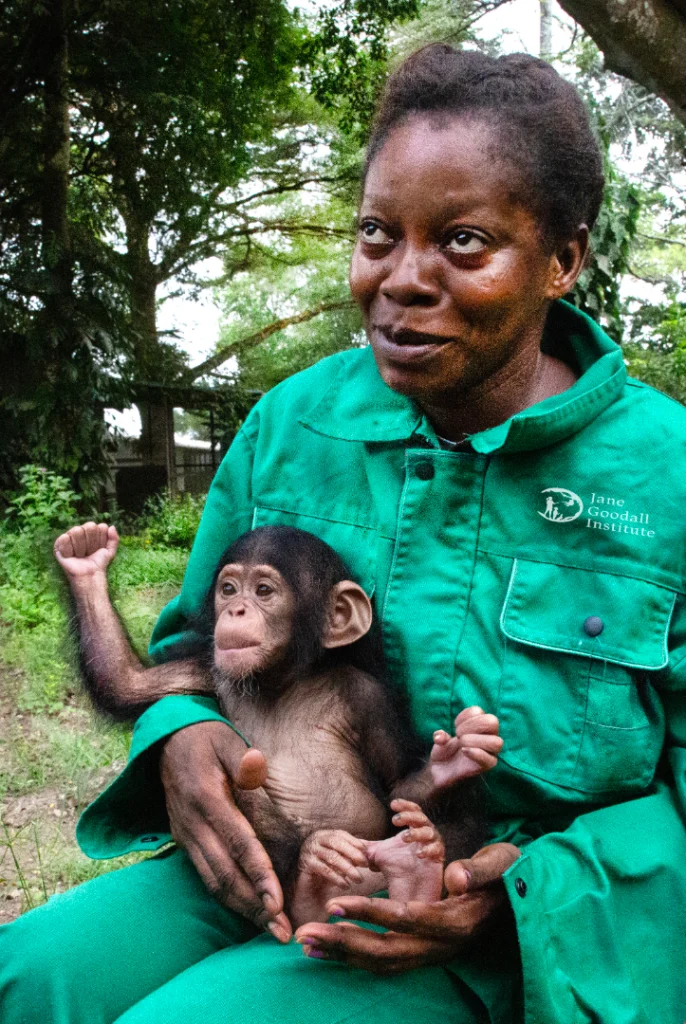
A photo of a baby chimpanzee sitting outside in a person's lap.

Tchimpounga Sanctuary by the Numbers

From JGI USA 2024 Annual Report and 2025 Tchimpounga sanctuary fact sheet

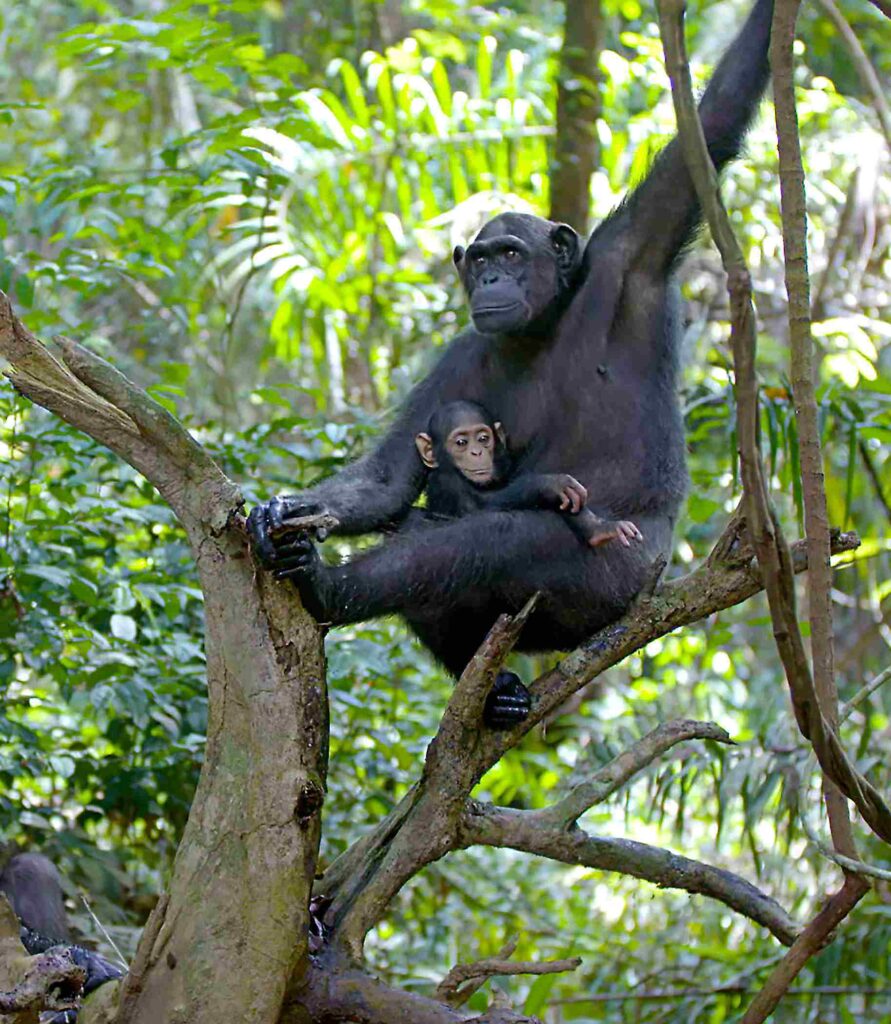
A photo of an adult chimpanzee sitting in the branches of a tree with a baby chimpanzee in her lap.

7

0

Different species in JGI’s care at Tchimpounga, including chimpanzees

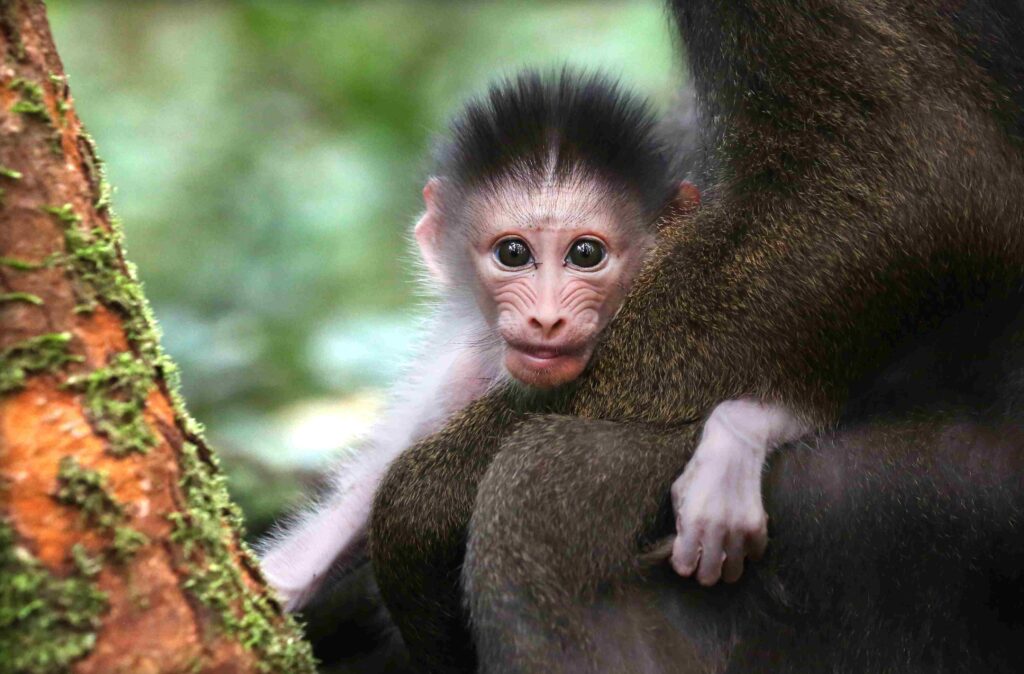
A photo of a baby mandrill sitting in their mother's lap outside.

160+

0

Full-time caretakers + 10+ temporary staff

150⁺

0

chimpanzees currently in JGI’s care at Tchimpounga

80+ reintroductions into semi-wild environments of rehabilitated wildlife cared for at Tchimpounga

> 85% score (Very Good) on JGI’s Chimpanzee Welfare Index, which helps staff assess the physical, mental, and emotional wellbeing of individual chimpanzees

A photo of a middle-aged, feminine person with dark skin and short, curly, black hair sitting outside with a baby chimpanzee in her lap.

“Today, with the unparalleled expertise of our staff and a best-in-class facility, Tchimpounga is one of the few places in the world equipped to care for almost any Central and West African species in need — from African Grey Parrots and pangolins to turtles and even a baby gorilla.”

- Dr. Rebeca Atencia, Head Veterinarian at Tchimpounga Chimpanzee Rehabilitation Center and Executive Director of JGI RoC
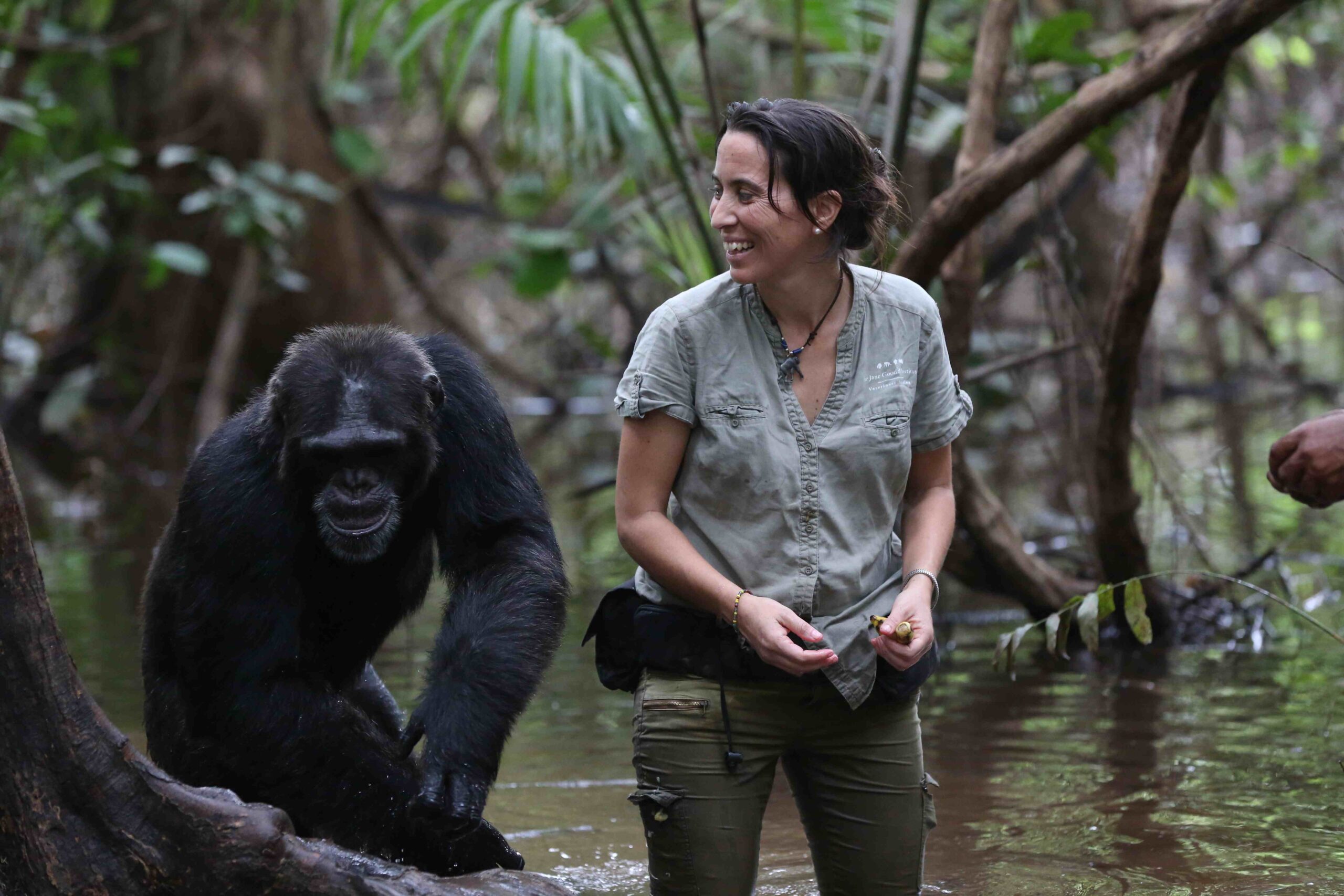
A photo of a middle-aged, feminine person with light skin and brown hair in a bun walking through a flooded forest with an adult chimpanzee.

What we do

Triangle Approach Against the Illegal Wildlife Trade

Sanctuary Care

Best-in-class rehabilitation and care for the physical, emotional, and mental wellbeing of chimpanzees and other wildlife injured and/or orphaned in the illegal wildlife trade.

Law Enforcement

Collaboration with local law enforcement to help train park rangers to detect signs of the illegal wildlife trade to aid their efforts in bringing confiscated wildlife to JGI.

Community Education

Environmental education and public awareness efforts to diminish the behaviors that fuel the illegal wildlife trade and to build awareness for alternative solutions.

Protecting the Tapestry of Life

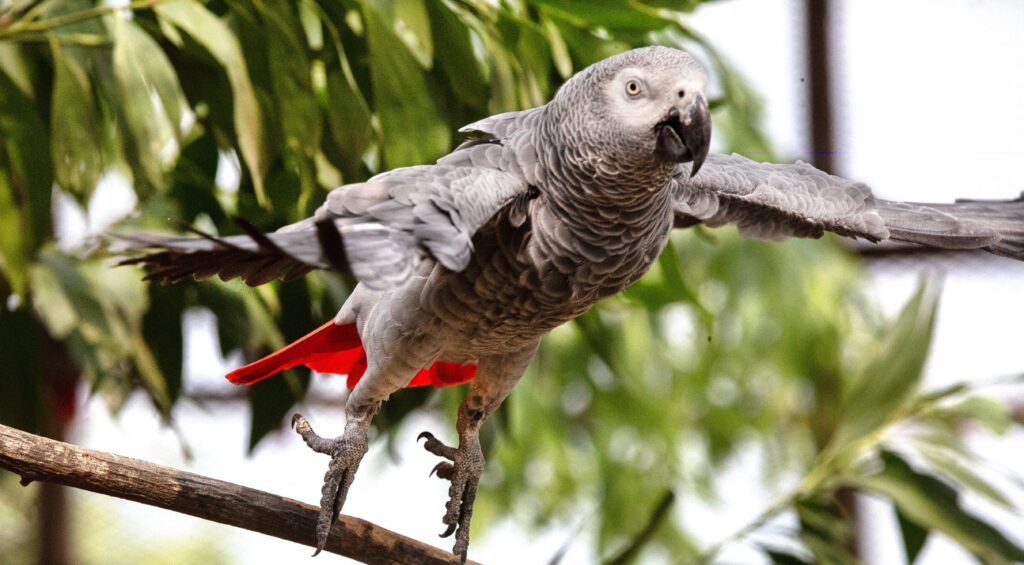
Dr. Goodall often spoke about the great tapestry of life that connects us all, and the value that each species and individual has to their local ecosystem. By collaborating with key partners, we’re ensuring that the world sees Tchimpounga as a best-in-class facility with the capacity to care for the many rescued animals impacted by the illegal wildlife trade. Because of this work, law enforcement from across the country increasingly notifies JGI about issues with illegal trade, and international organizations increasingly partner with us on significant rescues. This work to build strategic relationships led to the rescue of a baby gorilla from Mozambique, who was entrusted to JGI’s care, and the historic repatriation of a group of African Gray Parrots from Spain to Tchimpounga sanctuary.

A photo of an African grey parrot taking flight from a tree branch.

How We Work

Jane reminded us that chimpanzees and other animals are individuals with distinct personalities. In keeping with Jane’s vision, Tchimpounga caretakers focus on the wellbeing and needs of both groups and individuals.

Chimpanzee Welfare Index

Through our proprietary care model and evaluation system known as the Chimpanzee Welfare Index, caretakers monitor chimpanzees’ physical, mental, and emotional wellbeing to ensure the highest quality of life.

Strategic Social Groupings

Caretakers and veterinarians strategically place our wild residents in groups that will best suit them, making time for slow introductions to new groups for a greater chance of success. This includes housing different species of monkeys together where appropriate for needed socialization.

Extra Care for Babies

For baby chimpanzees, who require round-the-clock care, the team assigns a surrogate human caretaker who responds to their needs, shows affection, and helps them integrate into their larger young chimpanzee playgroup.

Featured Story: Baby Gorilla Brought to Tchimpounga

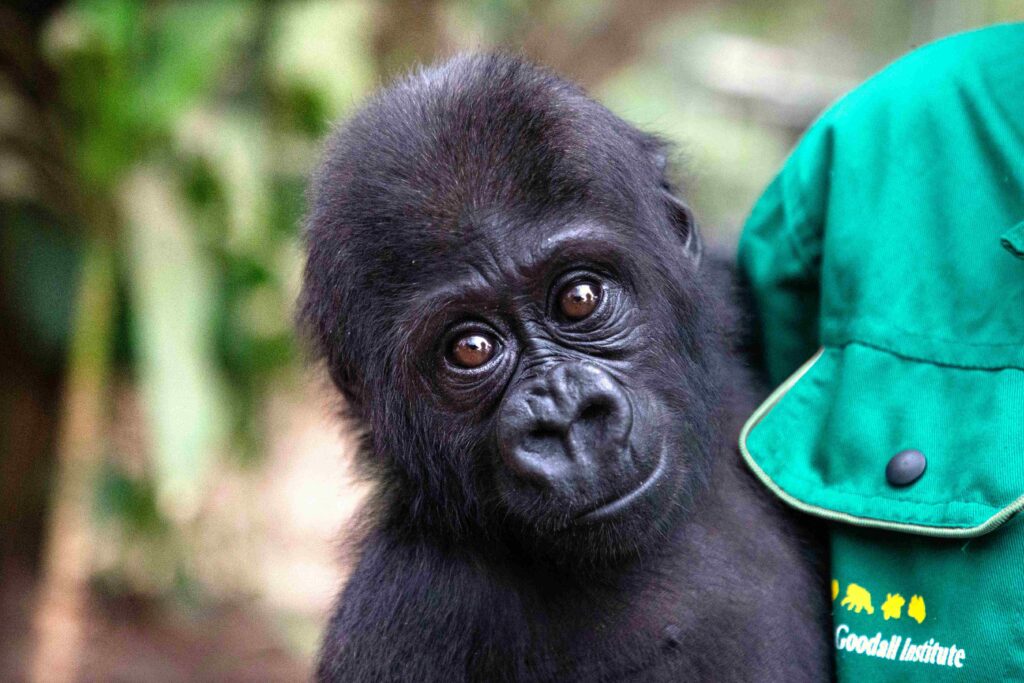
In 2025, the Jane Goodall Institute welcomed an infant gorilla, rescued from the illegal wildlife trade in Mozambique, into its care. Dr. Rebeca Atencia, JGI Republic of the Congo’s Executive Director and Head Veterinarian of Tchimpounga, with support from the Pan African Sanctuary Alliance, teamed up with MWA’s Dr. Almeida to stabilize the gorilla, named Mozambique (“ZZ” for short), and prepare her for her new home.

Antoinette, a long-time caregiver at Tchimpounga, graciously came out of retirement to be ZZ’s human “mother.” With her expert care, ZZ’s quarantine period progressed beautifully. Within weeks, she was stable, eating well, and showing great signs of energy and a light-hearted personality. She is no longer showing signs of trauma, and she is very relaxed and comfortable playing in the forest with her caregiver.

Infant gorillas need incredibly sensitive care, especially in their early years. ZZ will be under the expert care of Tchimpounga staff for several years before she joins other gorillas at another facility. This specialized care ensures she grows up healthy and strong. After her quarantine period, she was introduced to another similarly sized chimpanzee named Ada, who was rescued within the same year.

It is a mark of our caretakers’ expertise and excellent reputation that they were asked to step in. 

A photo of a baby gorilla being held by a caretaker outside.

Frequently Asked Questions

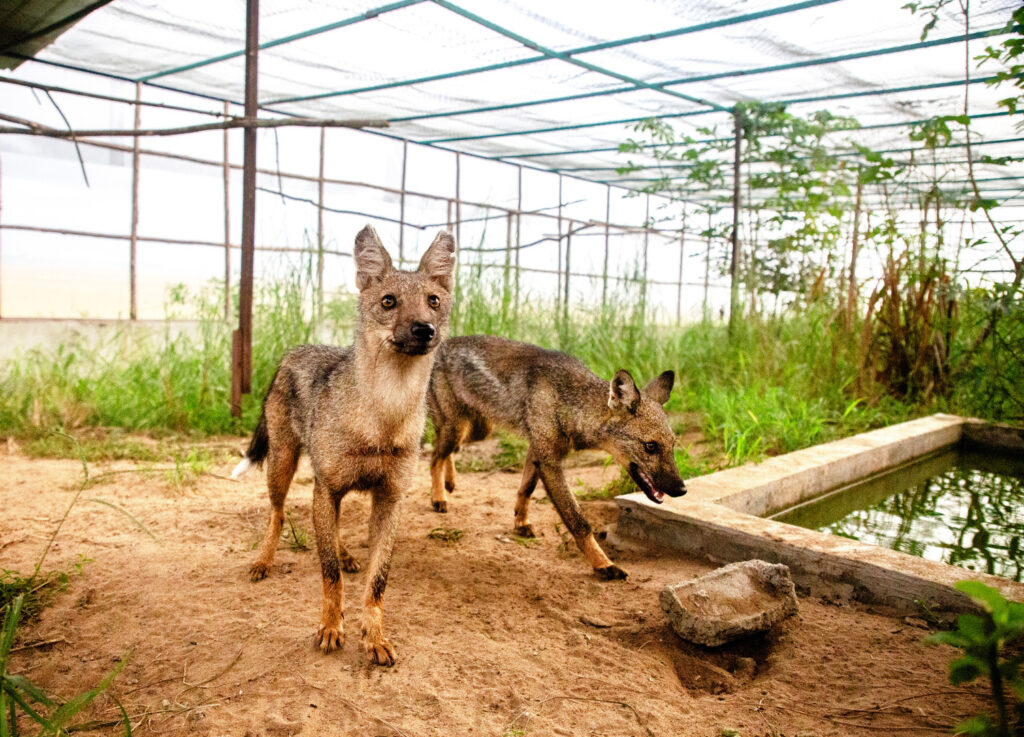
Tchimpounga started by caring for chimpanzees, but now we take in many different animals, including various monkeys, Grey Parrots, jackals, pangolins, and even crocodiles!

Because the work at Tchimpounga is so sensitive, we don’t accept volunteers. However, you might want to consider pursuing a career as a wild animal veterinarian!

We provide 1430 pounds of food from local farmers to the chimpanzees, but those living on the semi-wild islands of Tchimpounga are also able to forage on their own for vegetation and bugs. In fact, many of them seem to prefer foraging!

Wild reintroductions are a delicate process, so it depends on the species and individual. For animals like Grey Parrots and mandrills, which Tchimpounga has successfully released into the greater Tchimpounga Nature Reserve and Conkouati-Douli National Park respectively, our caretakers track wellbeing and natural behaviors carefully in each individual before making a decision. We have not yet reintroduced chimpanzees outside of the sanctuary boundaries, but they live in a natural environment. Many roam free on Tchimpounga’s islands, which are protected by rivers as a natural barrier.

Although chimpanzees can be adorable as babies, they are wild animals and should not be treated as pets. They require natural environments to live with dignity, and as deeply social creatures, they need other chimpanzees to live fulfilling lives. They can also be dangerous for humans as they get older — a full-grown chimpanzee has five to six times the strength of a human being!

First, use our 🔗 Captive Animal Checklist to determine if the facility is humane and safe. In the United States, you should also check to see if the facility is certified by the 🔗 Association of Zoos and Aquariums (AZA). If you determine that the facility is not humane, the best thing you can do is spread awareness — let your friends and family know not to support it, report videos online, and 🔗 report a concern to AZA so that they will not support the facility.

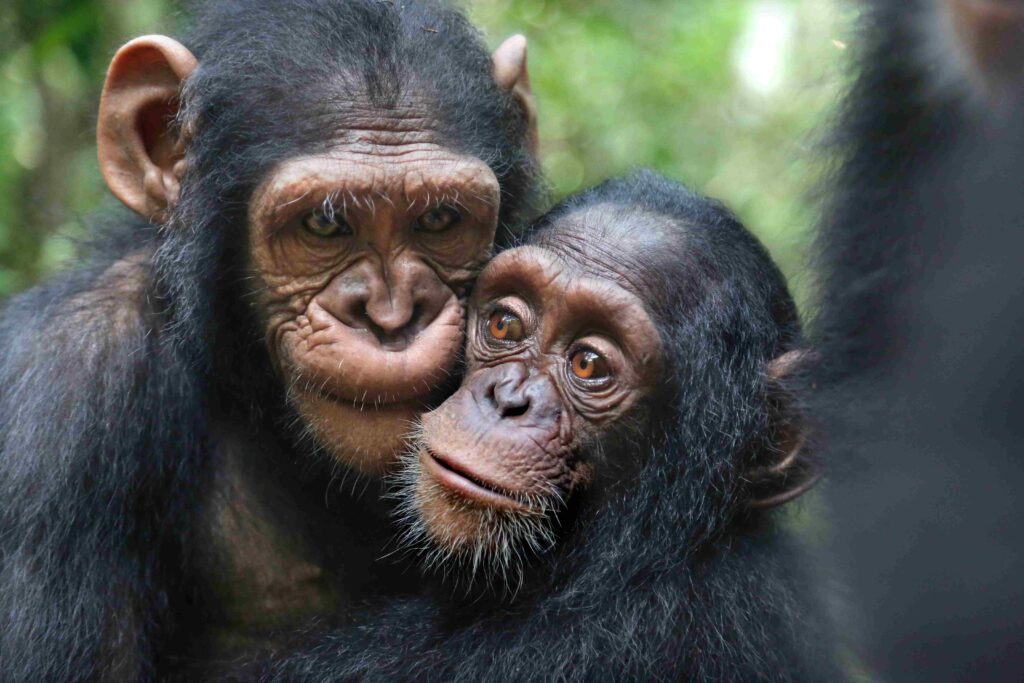
A photo of two young chimpanzees hugging one another outside.
A photo of two side-striped jackals exploring their outdoor enclosure.

Learn more about Tchimpounga sanctuary and its residents.

Photo credits: Fernando Turmo

How You Can Help