Caring for the tapestry of life in which every species is interconnected and trafficked animals have a chance at a more natural life.
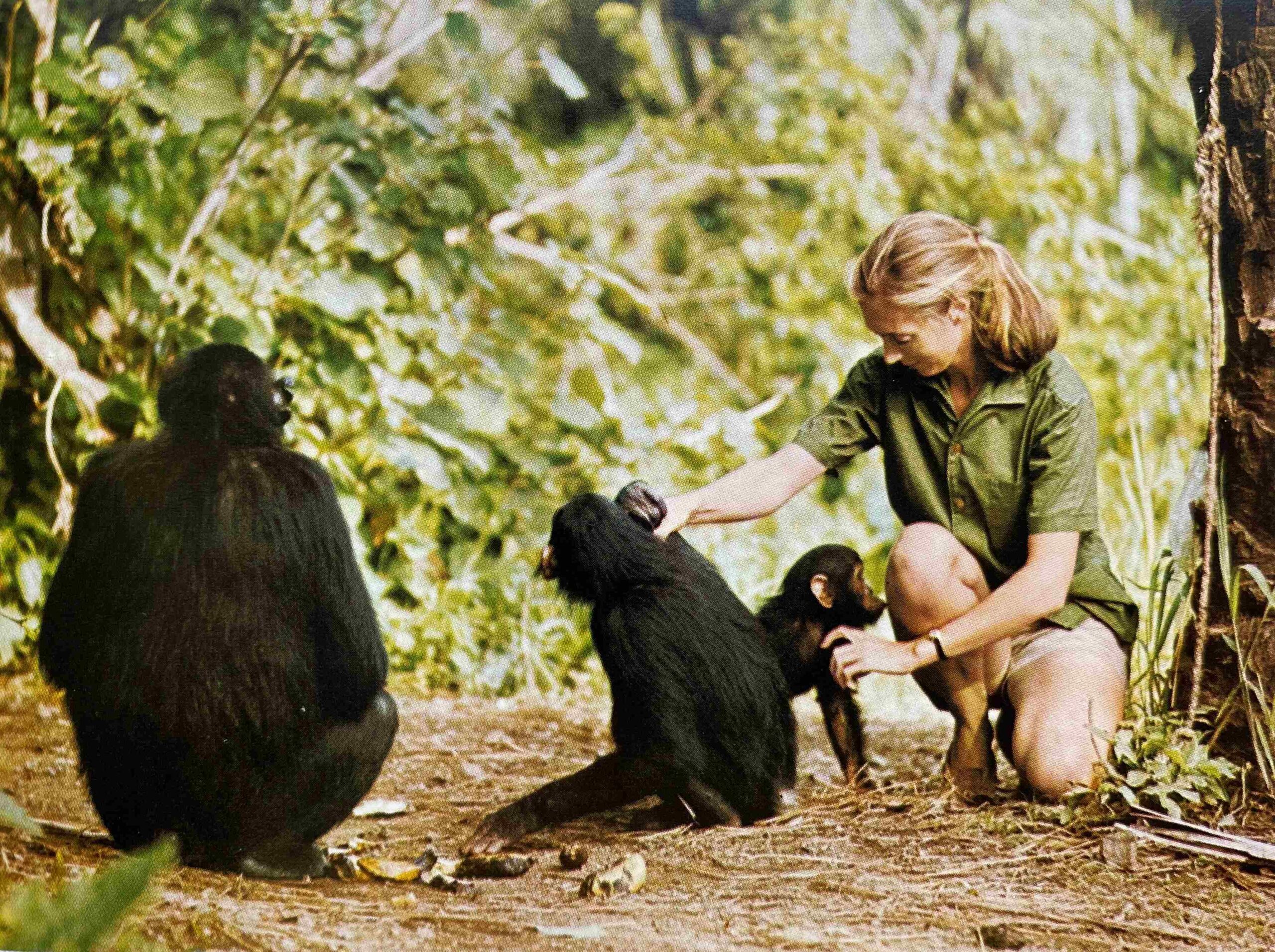
When Jane was pursuing her PhD in ethology at Cambridge University, her professors told her that her wild chimpanzee research methods were all wrong. She was told to give her subjects numbers, not names. She was told to be objective instead of empathetic. She disagreed, and soon other field researchers followed her lead. Today, Jane’s belief that animals are individuals informs JGI’s ongoing research and rescue work.
“How should we relate to beings who look into mirrors and see themselves as individuals, who mourn companions and may die of grief, who have a consciousness of 'self'? Don't they deserve to be treated with the same sort of consideration we accord to other highly sensitive beings — ourselves?”
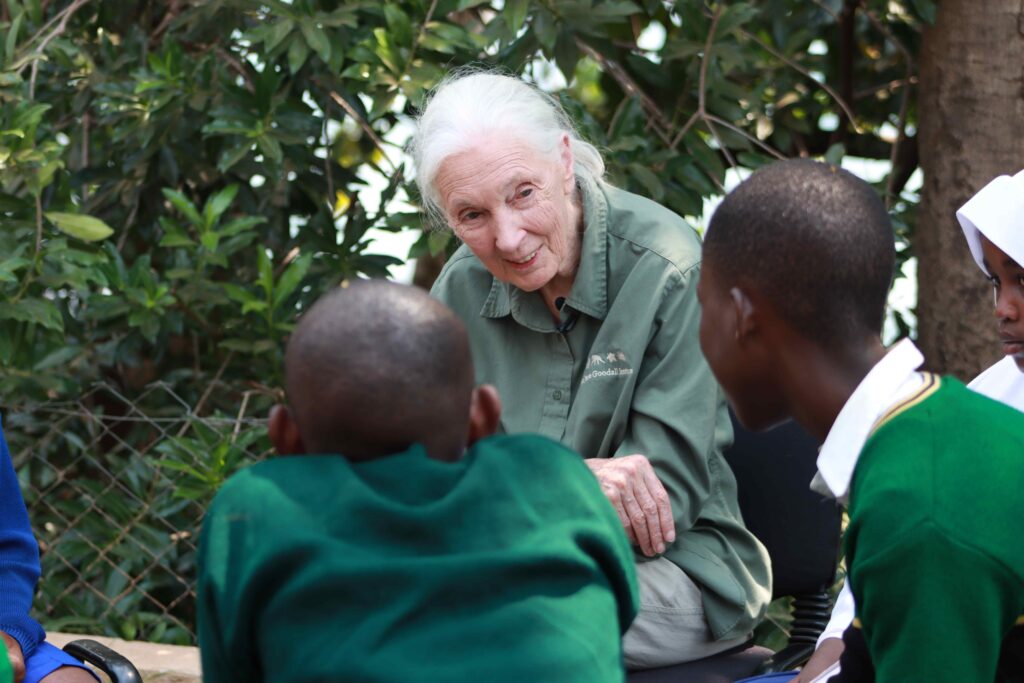
— Dr. Jane Goodall, DBE, Founder of the Jane Goodall Institute and UN Messenger of Peace
Jane’s research demonstrated that non-human animals are sentient, complex, intelligent, and compassionate. They have innate value. This transformed human understanding of our relationship with the natural world.
By supporting best-in-class care and practices for appropriate captive welfare in our model sanctuaries like the Tchimpounga sanctuary, expanding and growing advocacy and partnerships to protect non-human animals, and by developing campaigns to improve public awareness and human behavior, JGI is delivering on a world that recognizes our place within — not above — the rest of the animal kingdom.
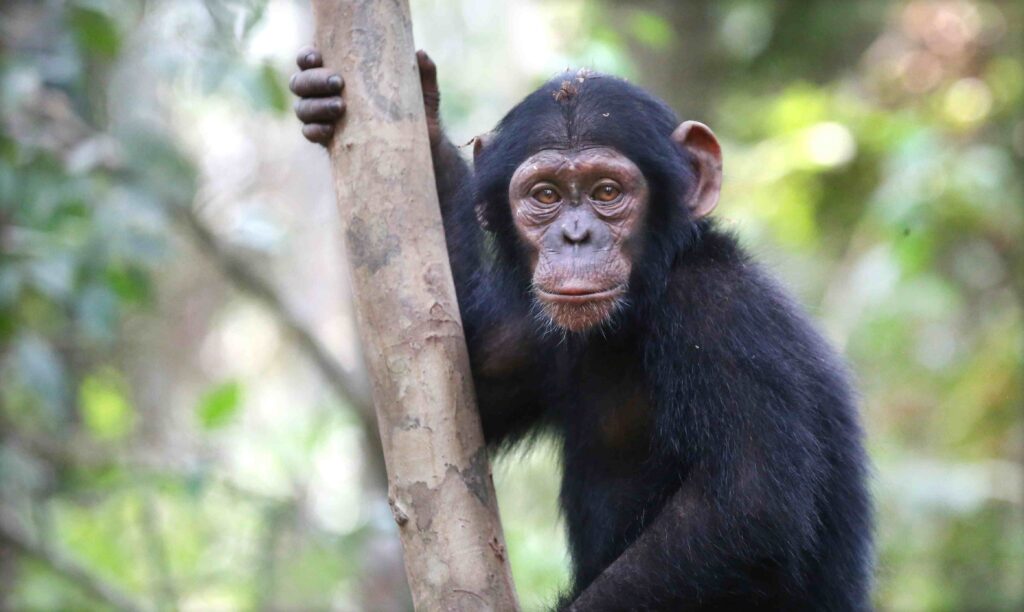
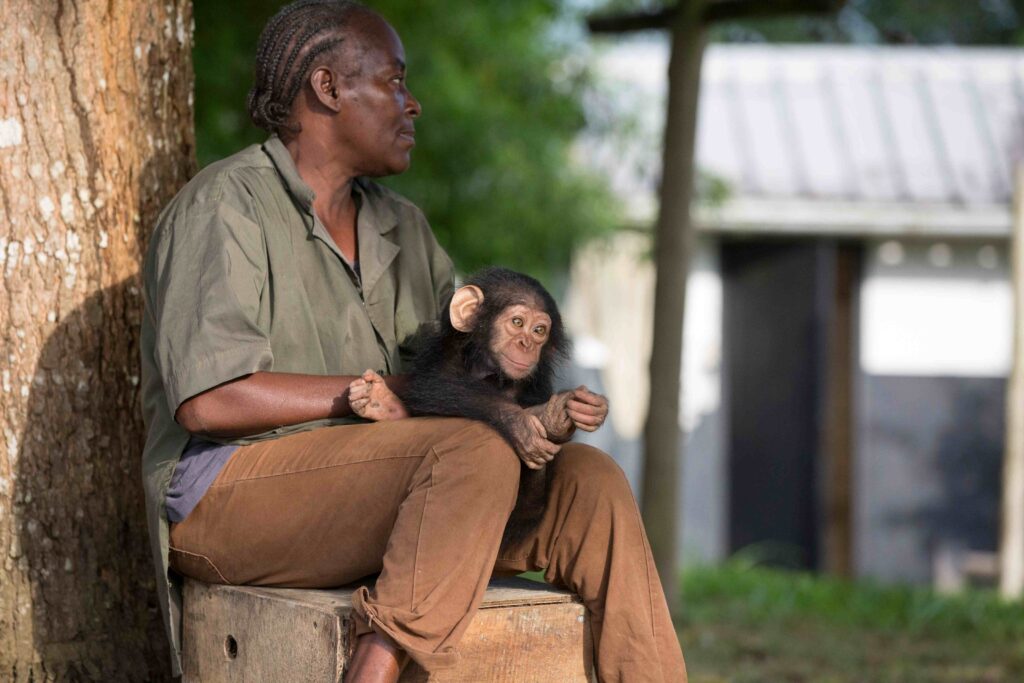
Kabi, an orphaned infant chimpanzee, receives round-the-clock care, comfort, and protection from dedicated staff like Antoinette at JGI’s Tchimpounga sanctuary.
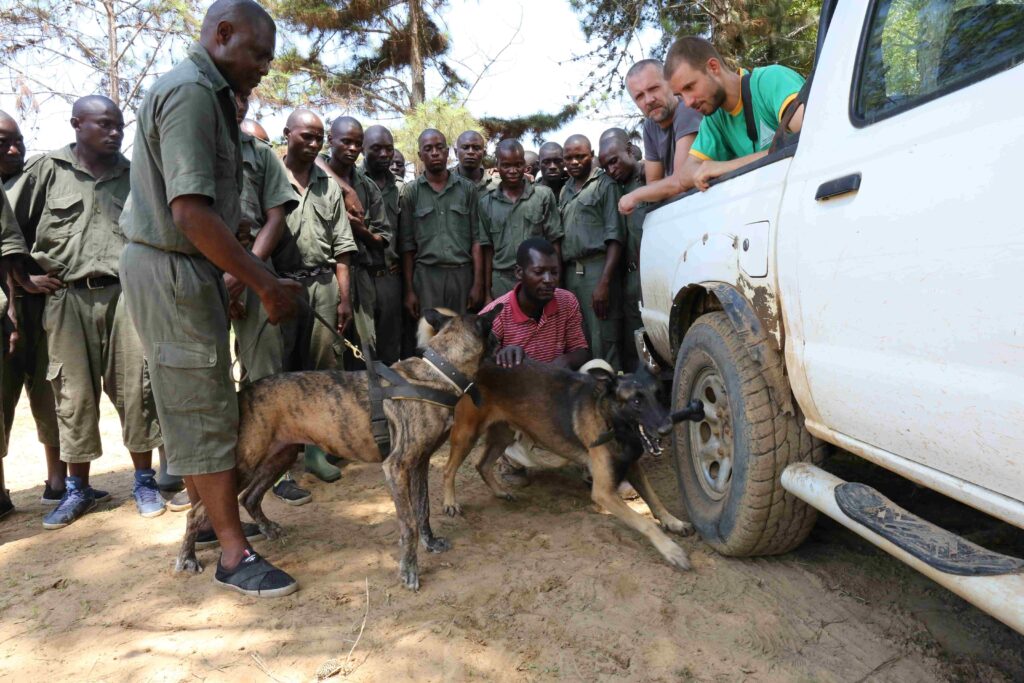
Rangers train to use sniffer detection dogs in anti-poaching efforts and reserve protection, strengthening conservation work led by the JGI at Tchimpounga.
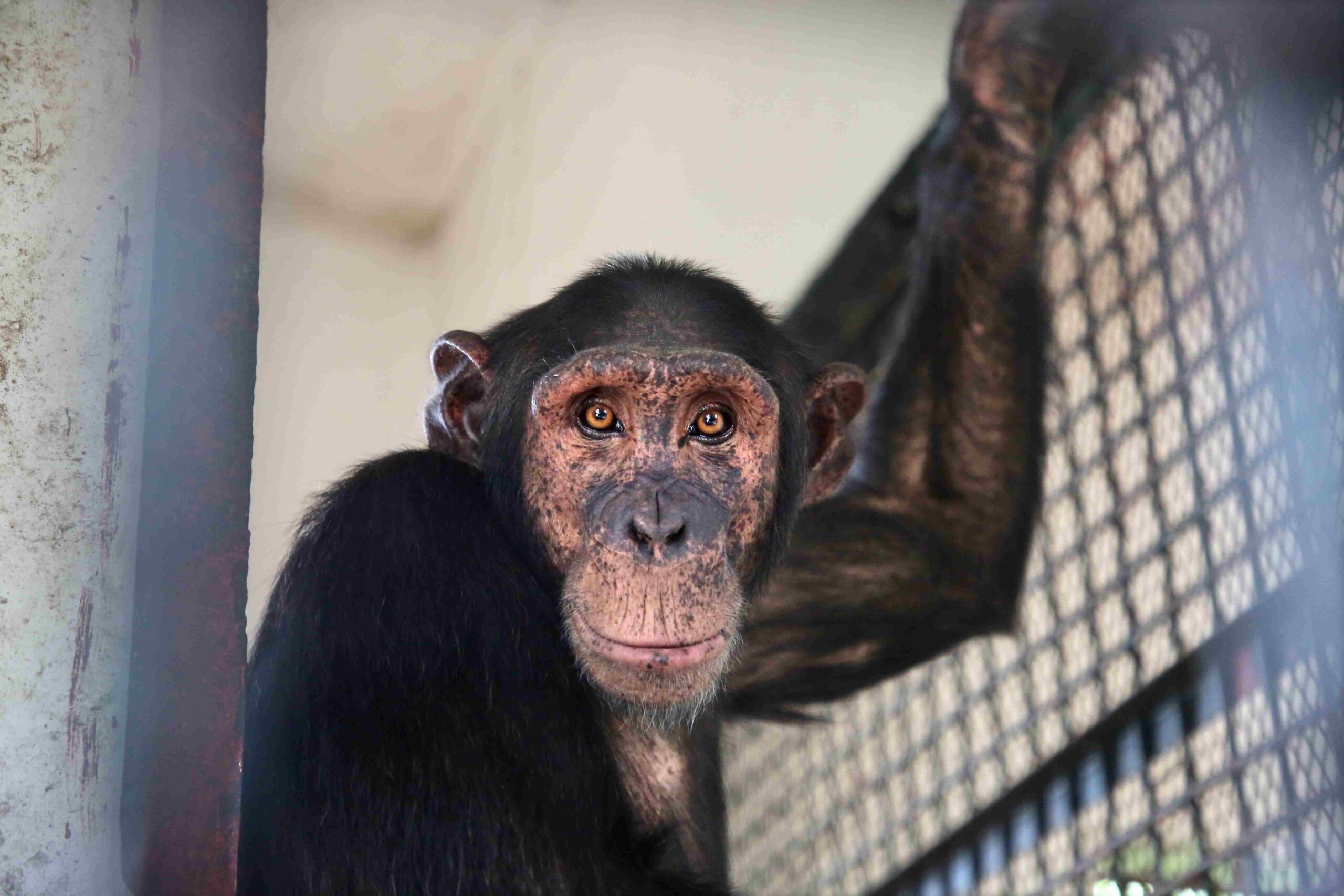
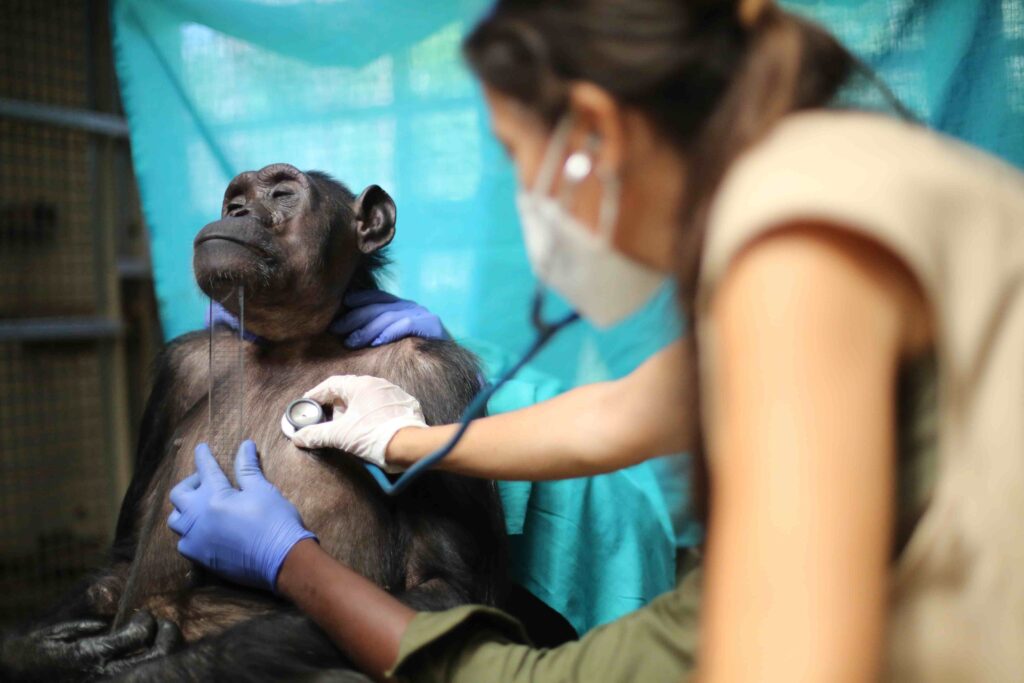
An older female chimpanzee receives expert veterinary care from Dr. Rebeca Atenica.. Routine health monitoring and specialized treatment are an essential part of caring for aging chimpanzees at Tchimpounga.
In Congo, JGI’s prevention and education efforts have successfully reduced the number of chimpanzees caught in the illegal wildlife trade. But just across the border in Angola, the number of rescued chimpanzees is on the rise. Thanks to the collaborative efforts of the Angolan and Congolese governments, along with JGI Republic of the Congo (RoC) and our partner Wild at Life, JGI RoC’s Executive Director Dr. Rebeca Atencia was able to transfer eight chimpanzees from Angola to our Tchimpounga sanctuary.
The team faced a challenge at the border between the two countries, which was closed by immigration authorities. With eight chimpanzees still in their cages, Wild at Life acted quickly and called the highest regional authority they could. Soon after, the Governor of Cabinda activated an unprecedented emergency response to open the border for the convoy to cross.
Upon their arrival at Tchimpounga, the chimpanzees were a bit nervous. Tasty snacks helped ease their stress, and within hours they relaxed and became more comfortable. A large, outdoor enclosure with natural grass and large climbing structures was a particularly welcome sight for the baby group, who were visibly excited about the ability to run and climb in a large, open space. Today, they are thriving among their new chimpanzee family.
Photo credits: Fernando Turmo, Nick Riley, Stephano Lihedule, Hugo Van Lawick