
At the Jane Goodall Institute, our experts bring decades of field experience, groundbreaking research, and policy leadership to critical issues such as biodiversity conservation, animal welfare, community-centered development, youth engagement, and environmental advocacy. Together, they embody Dr. Jane Goodall’s vision of science-driven action, collaboration, and hope for a more harmonious relationship between humans and the natural world.
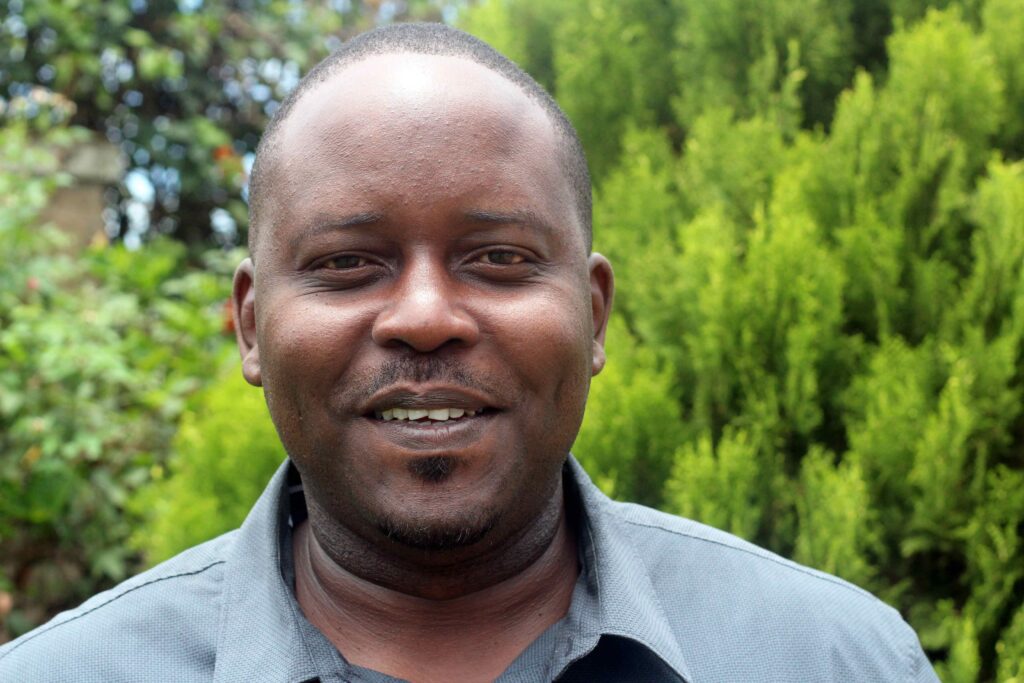
Dr. Peter Apell is a conservationist, biodiversity expert, and sustainable development practitioner with over 20 years of experience in environmental management, ecosystem restoration, and community-driven conservation. As Programs Director at the Jane Goodall Institute (JGI) Uganda, he has spearheaded transformative initiatives that bridge science, policy, and grassroots action to safeguard biodiversity and enhance ecological resilience.
With a diverse background in wildlife medicine, conservation economics, and sustainable development, Peter is not just a scientist — he is a thought leader who believes that conservation success is rooted in reciprocity between people and nature, where ecosystems are restored not only for biodiversity but also for restoring the fabric of life itself — one that connects communities, traditions, and ecosystems.
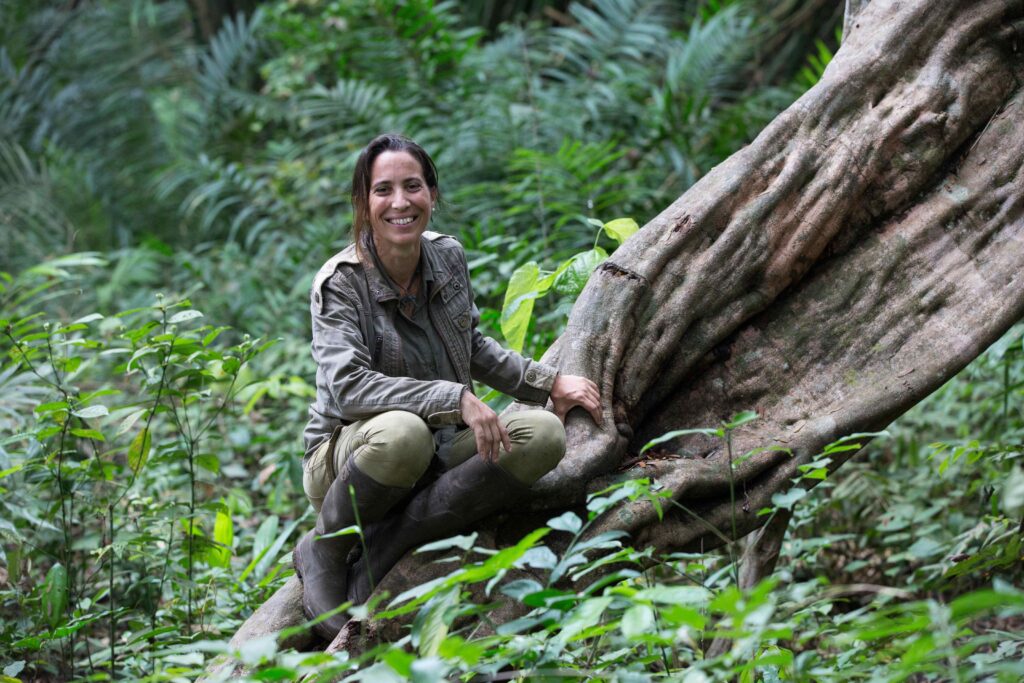
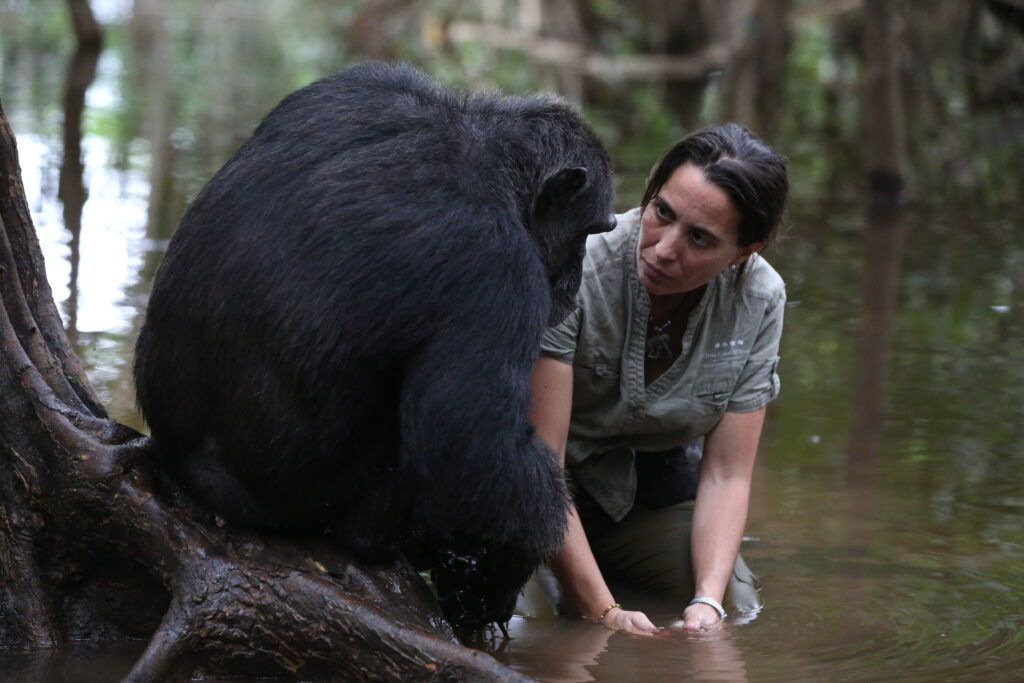
Dr. Rebeca Atencia joined the JGI team in 2006 to lead and expand the Jane Goodall Institute’s Chimpanzee Rehabilitation Center, now known as Tchimpounga. It has since become the largest chimpanzee sanctuary in Africa, home to aproximately 150 chimpanzees and multiple other species. As the head of one of the few sanctuaries in the world equipped to expertly care for almost any Central and West African species in need, Rebeca has played a critical role in the historic repatriation of dozens of rescued African gray parrots, the rescue and successful wildlife reintroduction of several mandrills, and the recent rescue, stabilization, and rehabilitation of an infant gorilla.
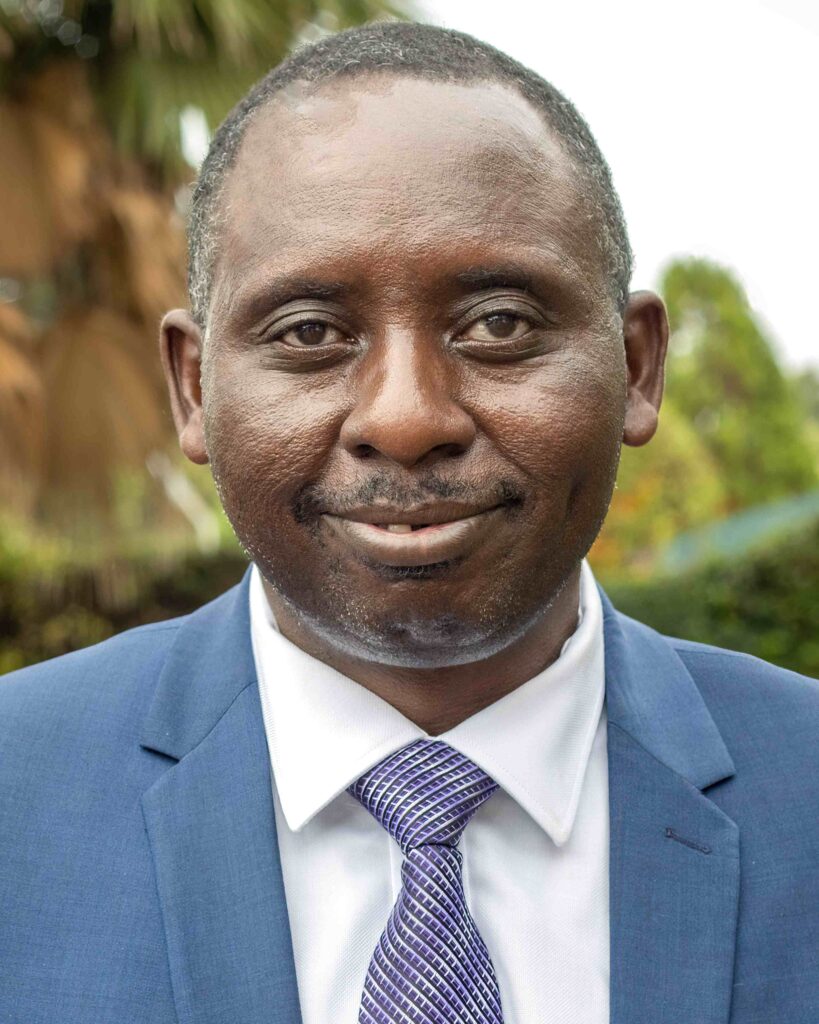
James Byamukama has served as the Executive Director of the Jane Goodall Institute Uganda since 2022, providing strategic leadership, oversight, and accountability for local activities. James’s background includes training in forest management and United Nations–led programs for environmental management in developing countries, where he learned that environmental protection is intricately entwined with the health of a land and its people. He also worked with organizations including the African Wildlife Foundation, the International Gorilla Conservation Program, and the East African Cross-Border Biodiversity Project.
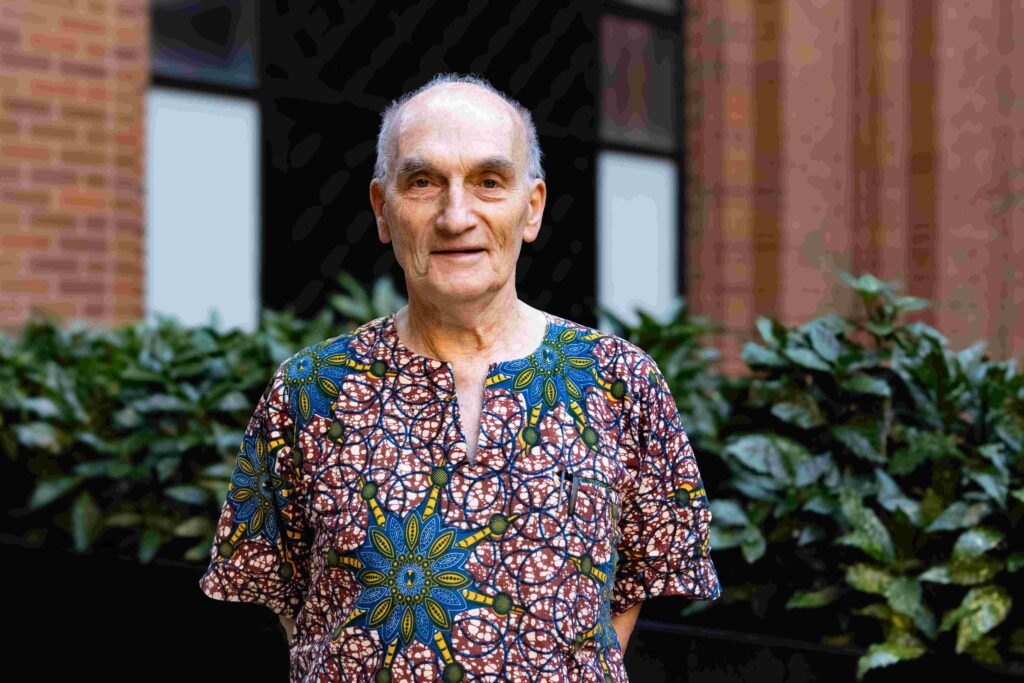
Dr. Anthony Collins has dedicated his career to studying the intricate lives of baboons at JGI’s Gombe Stream Research Center, uncovering how these fascinating animals live, interact, and adapt in the wild. Under Anthony’s leadership, the baboon research program at Gombe has continued for over 50 years and expanded our knowledge of primate behavior, family dynamics, and the challenges of habitat loss and climate change. He is known by many as the “Guru of Gombe” thanks to his decades of experience researching in the park in collaboration with his longtime mentor, Dr. Jane Goodall.
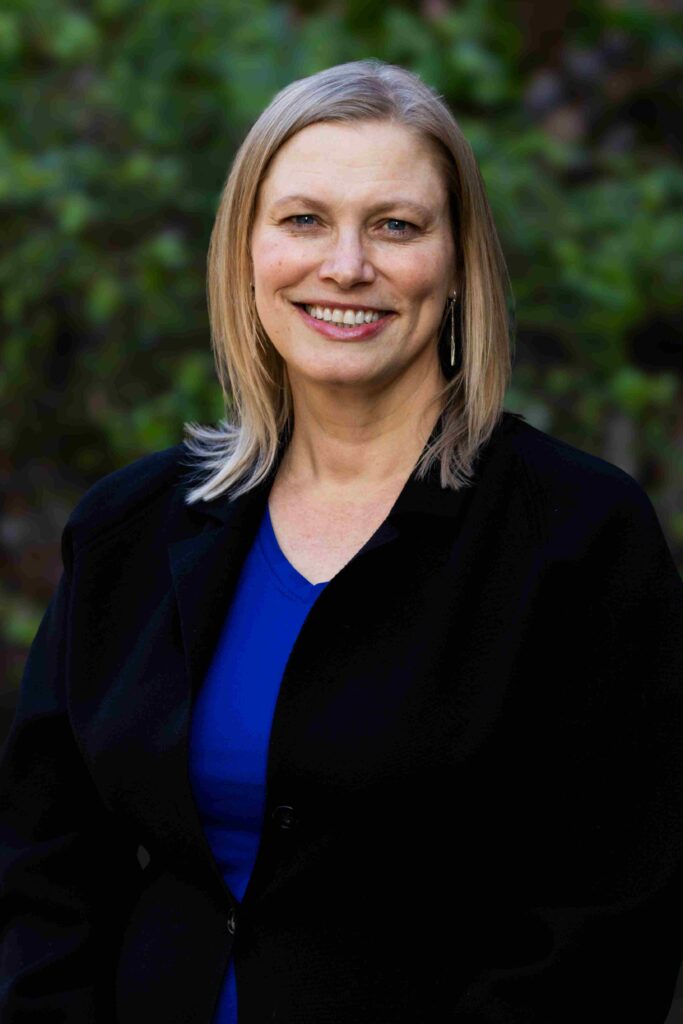
Mary Ford leads JGI USA’s youth action program, Roots & Shoots, which has groups in all 50 United States. Mary applies her extensive background in education programming and volunteer management to empower young people to make a difference in their communities. Prior to joining the JGI team, Mary spent over a decade supporting K-12 students and educators at the National Geographic Society, and she additionally worked in education programming for World Wildlife Fund, the National Audubon Society, and the Cary Institute of Ecosystem Studies.
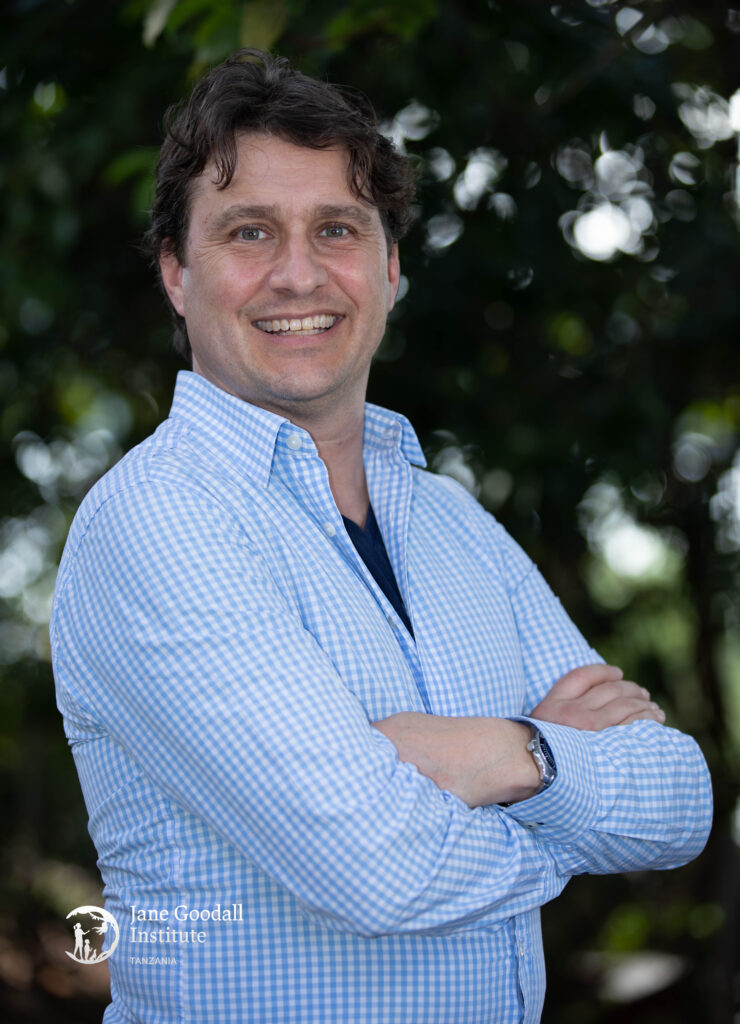
Dr. Marc Fourrier works with communities, scientists and governments to develop strategies that mitigate the threats to conservation and biodiversity in West and Central Africa. Marc first joined the JGI team in 2014, soon after earning his Ph.D. from the University of Washington St. Louis. His research focused on the co-evolutionary relationships between fruiting trees and great apes and his findings demonstrate that if we lose great apes, the diversity and resilience of the entire forest ecosystem may be at risk. His work at JGI builds on his more than 30 years of experience in wildlife ecology, community development, research, and sustainable resource management in Africa.
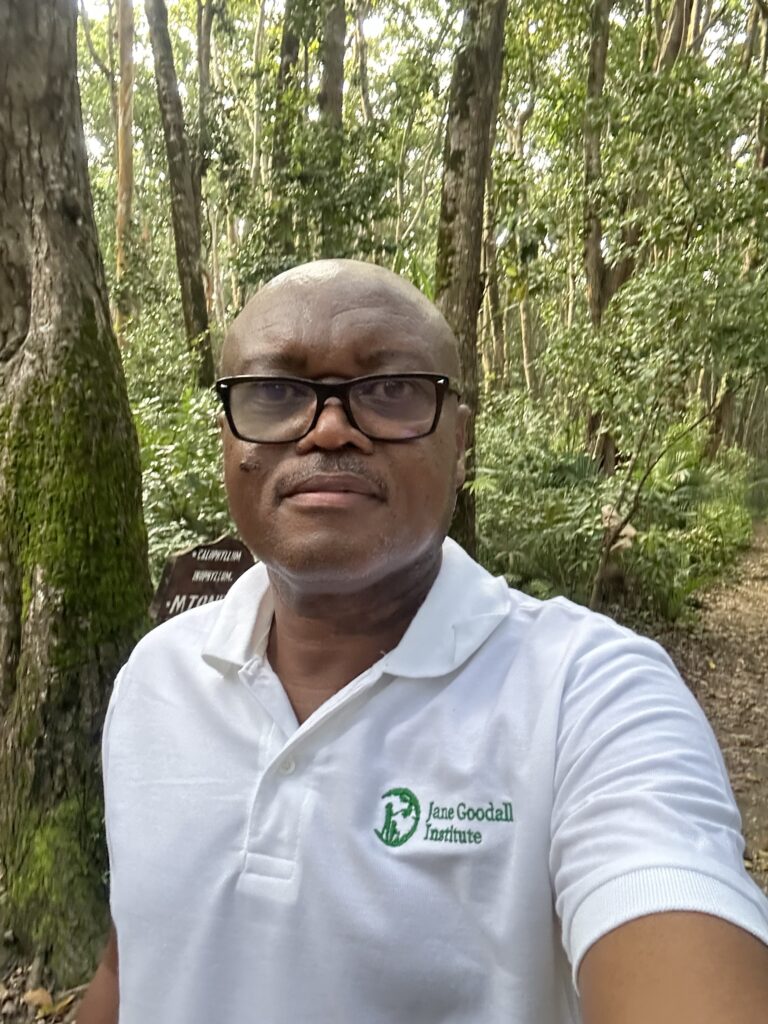
Frederick Kimaro leads the Jane Goodall Institute Tanzania team with a vision that extends beyond conservation. He is committed to promoting ethical leadership, sustainable business practices, and socio-economic development across each program, seamlessly integrating environmental protection with community well-being. Through initiatives like Roots & Shoots and habitat conservation programs, he empowers young people, protects chimpanzees, and champions a future where people and nature thrive together.
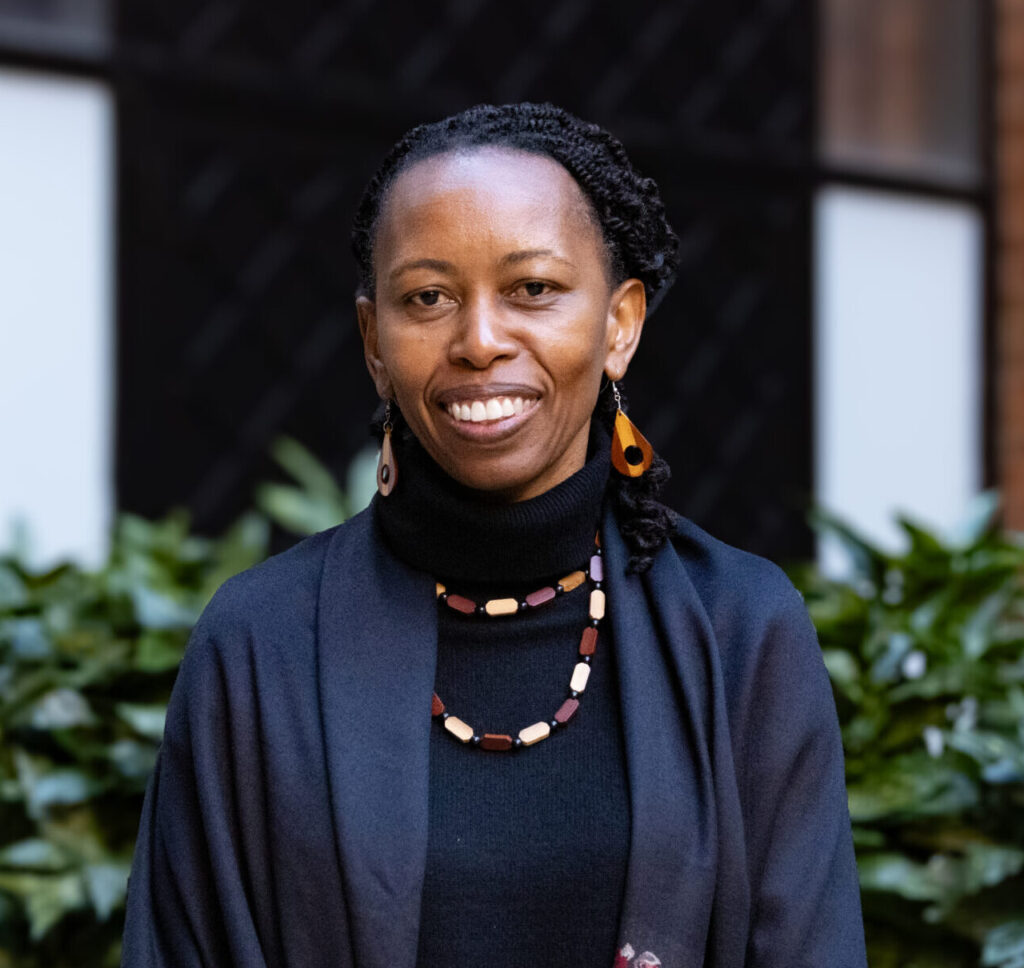
Alice Macharia develops and implements community-led conservation strategies across chimpanzee ranges in Africa. As part of JGI’s signature community-led conservation approach known as Tacare, her work balances the needs of individual communities while encouraging them to become stewards of their environment. She regularly travels to all African regions where JGI works and is in constant communication with the executive directors for each country.
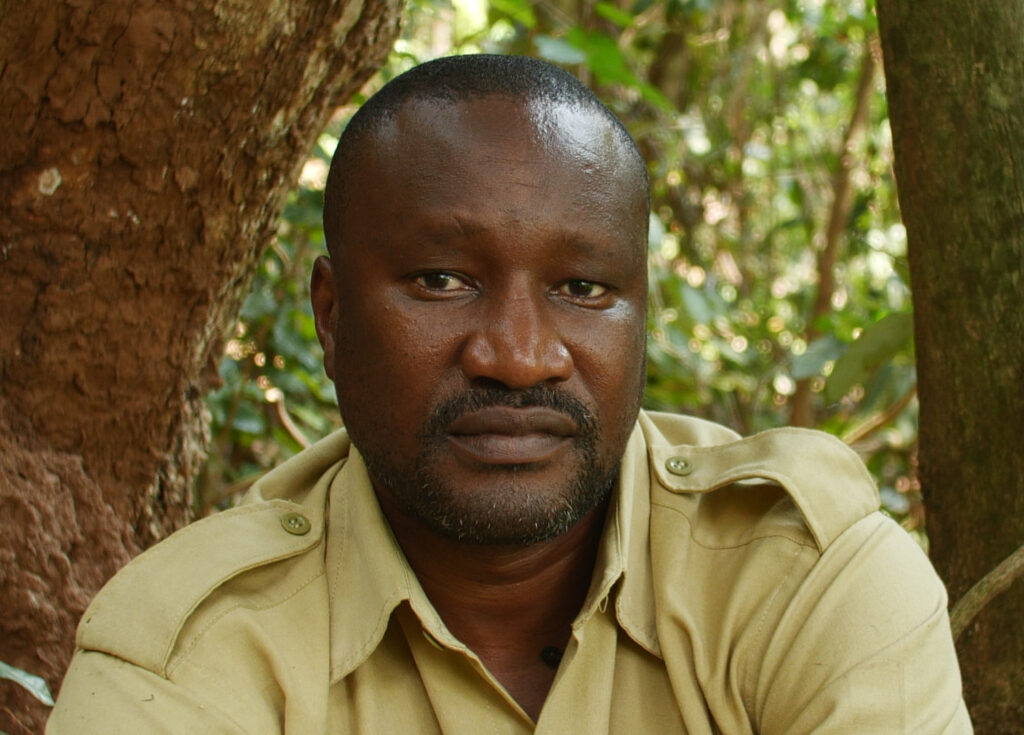
Dr. Deus Mjungu is the director of the Jane Goodall Institute's Gombe Stream Research Center, which is home to the longest-running wild chimpanzee study in the world. A native of Tanzania, he has worked at the Jane Goodall Institute for decades, fulfilling a lifelong dream to research wild animals alongside Dr. Jane Goodall. Deus is a distinguished researcher known for his contributions to primatology, holistic approach to conservation, and commitment to inspiring the next generation of Gombe scientists.
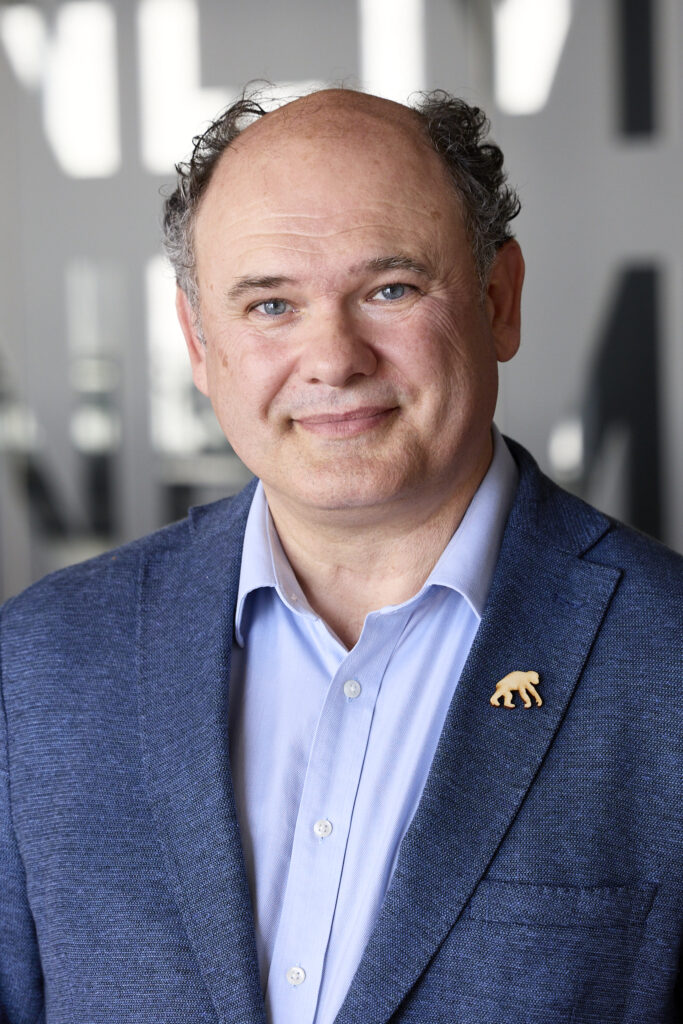
Dr. Lilian Pintea leads JGI’s Conservation Science team and science strategy. A champion of community-led approaches to conservation, Lilian works closely with local communities and local governments across the chimpanzee range in Africa. His work leverages innovative technologies and tools like satellite imagery, ecoacoustics and geographic information systems to tackle some of the most difficult challenges in conservation — sustainable development, natural resource management, and climate change — through community-led approaches.
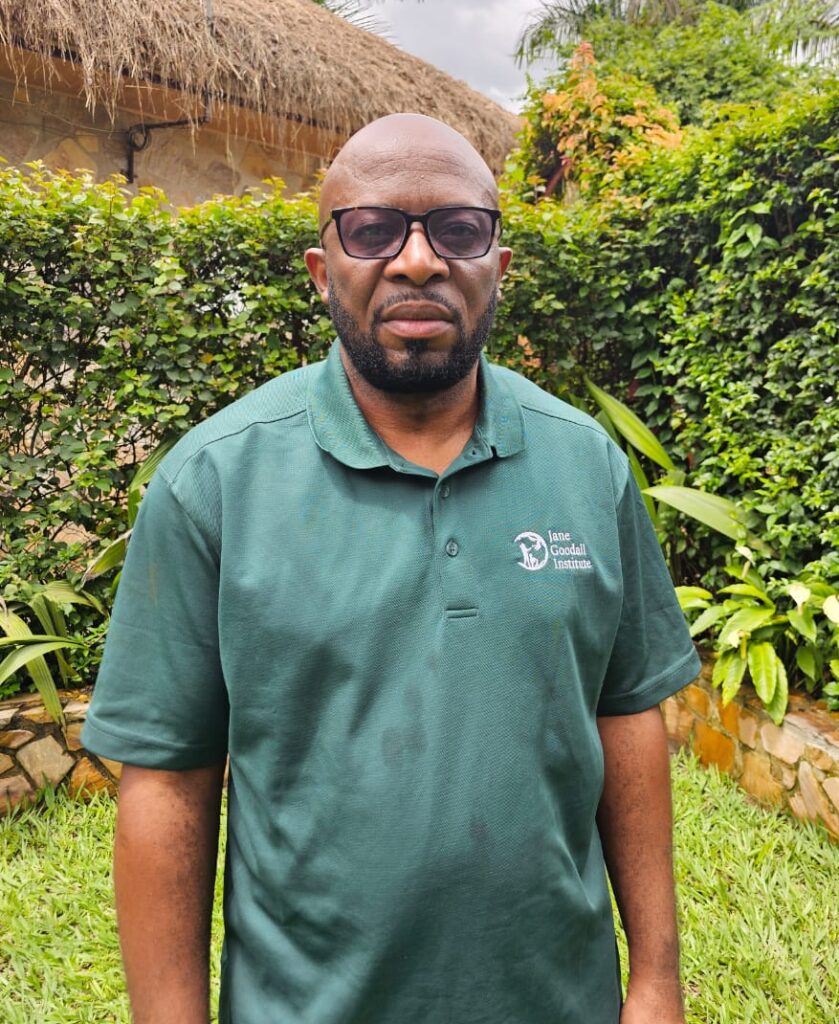
Emola Hashim Pippen Makambo is an economist by training who leverages decades of experience in the design and development of environmental, commercial, and social projects, as well as their monitoring and evaluation, to lead JGI’s conservation work in the Democratic Republic of the Congo. Emola and the JGI DRC team effectively collaborate with various partners to protect a vital, 100,000+ square mile region of great ape habitat in eastern DRC. Emola's background includes working with local communities and tech partners to implement livelihood programs for the Central Africa Regional Program for the Environment (CARPE) and mitigating conflict and risk from illegal mining for Pact Congo.
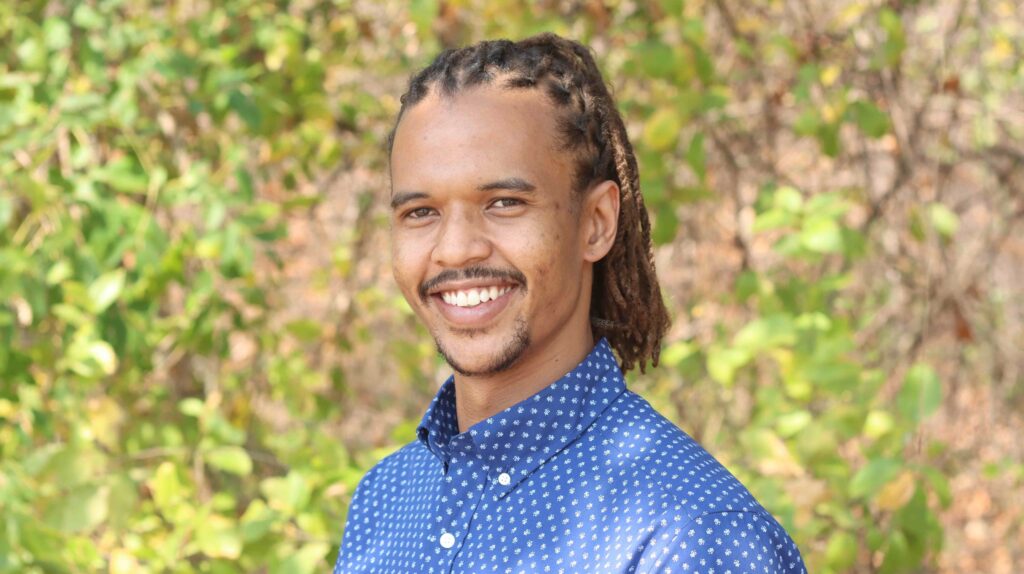
Merlin van Lawick has spent the last decade supporting the Jane Goodall Institute programs in Tanzania, where he was born and raised. Much like his grandmother, Dr. Jane Goodall, Merlin is well-versed in both conservation science and advocacy, including managing an urban forest in Pugu, piloting community mapping tools throughout Tanzania, and leading youth-action initiatives through Roots & Shoots Zanzibar. He is working toward a Master’s degree in nonprofit management from the University of Minnesota.
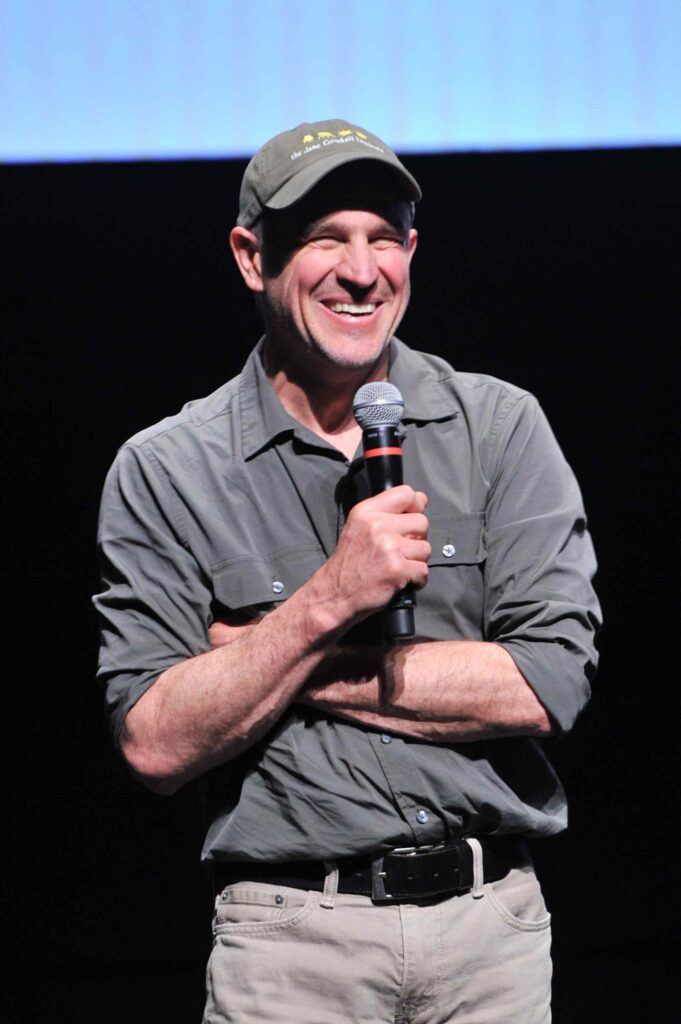
Bill Wallauer works on both sides of the camera to shed new light on the capacity of the chimpanzee, including documenting thousands of hours of chimpanzee footage and representing JGI in dozens of television programs and documentaries. Bill’s long history with the Jane Goodall Institute began in 1989, when he first met Dr. Jane Goodall while on a Peace Corps assignment in Tanzania. He joined the JGI team in 1992. Now an expert in both videography and chimpanzee behavior, Bill’s background in wildlife conservation includes work with the Selous Game Reserve and the United States’ Bureau of Land Management, Forest Service, and National Parks Service.
Photo credits: Fernando Turmo

1120 20th Street NW Suite 520S,
Washington, DC 20036 USA
Telephone: 703.682.9220 | Fax: 703.682.9312
© The Jane Goodall Institute 2025