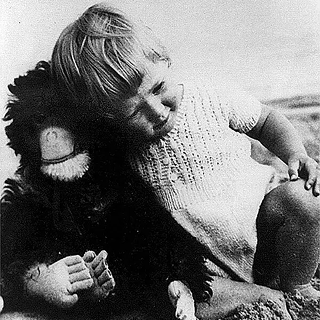
Valerie Jane Morris-Goodall, now known as Dr. Jane Goodall, was born on April 3, 1934, in London, England.
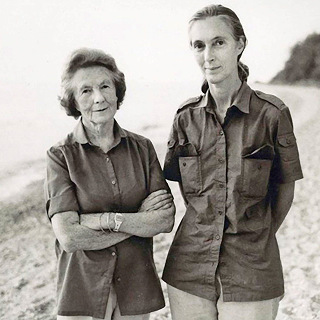
Jane Goodall and her mother Vanne arrive on the shores of Gombe Stream Chimpanzee Reserve, what is now Gombe National Park in western Tanzania.
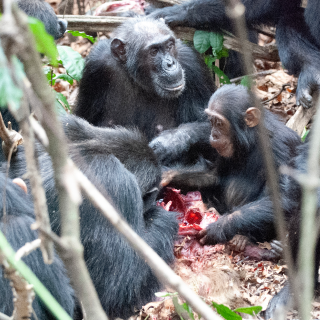
Dr. Jane Goodall made the observation of a group of chimps eating a bushpig. Prior to this discovery, chimpanzees had been assumed to be vegetarian. During her research, Jane also observed the hunting process — a group of chimpanzees attacked, killed, and ate a red colobus monkey that had climbed high into a tree.
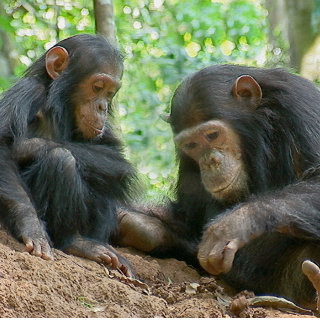
Jane observes a chimpanzee she named David Greybeard and Goliath making tools to extract termites from their mounds, a discovery that would force science to reconsider its definition of homo sapiens: “Man the Toolmaker.”
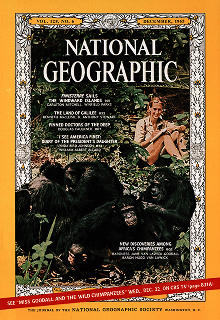
National Geographic Publishes First Cover Story About Jane And Her Research
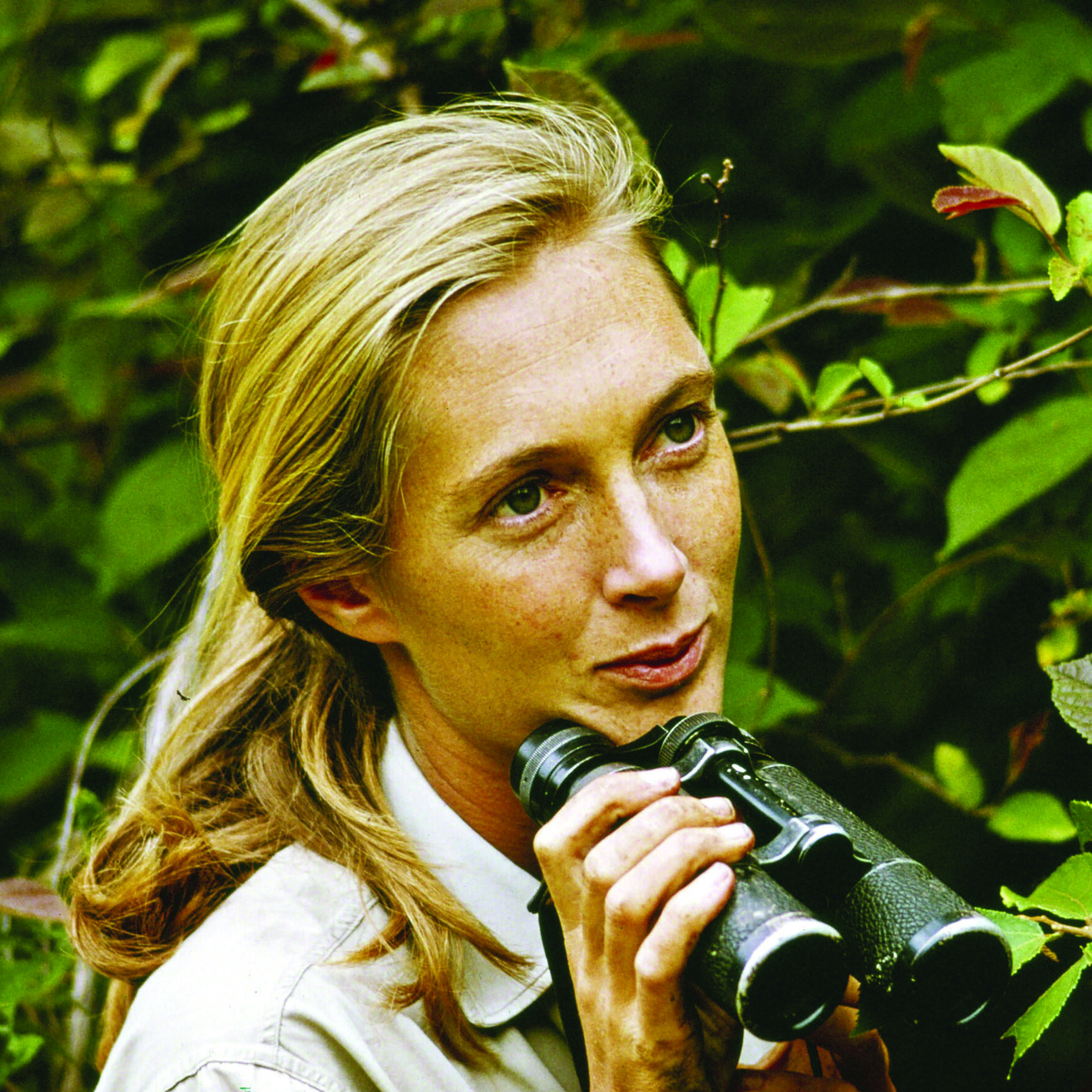
National Geographic films and releases “Miss Goodall and the Wild Chimpanzees” which brings the lives of chimps and Jane into the spotlight internationally.
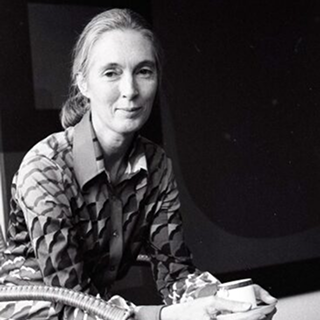
Jane receives a PhD in ethology, the science of animal behavior, from Cambridge University. She was only the eighth person admitted to pursue a doctorate without an undergraduate degree.
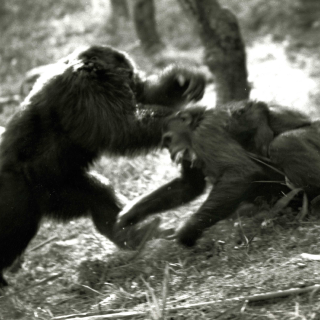
Conflict erupts between two groups of rivaling chimpanzees in Gombe, the Kahama splinter group, and main Kasakela group.
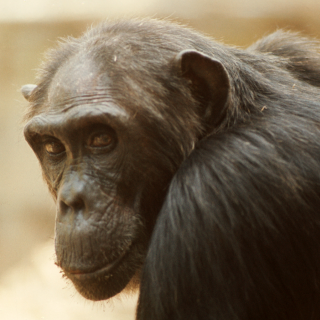
Cannibalism among the Gombe chimpanzees is first observed. Mother and daughter Passion and Pom steal and kill babies in their own community.
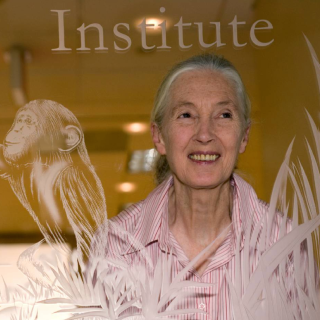
Dr. Jane Goodall creates her namesake organization, initially to continue support the continuation of her chimpanzee research in Gombe. The organization as well as expand efforts on chimpanzee protection, conservation, and environmental education.later evolves into a global, community-led conservation organization committed to creating a brighter future for people, other animals, and our shared environment.
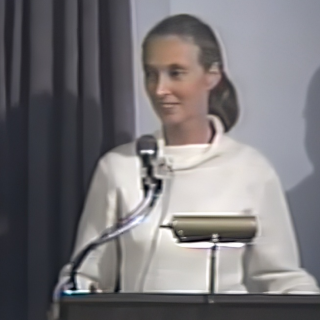
Dr. Jane Goodall organizes and attends the first ‘Understanding Chimpanzees’ conference in Chicago. This shifts her focus from wildlife observation and research, to a broader holistic animal-human conservation approach.
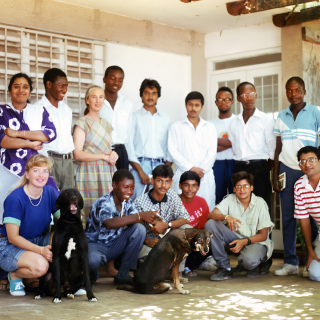
A group of 12 students in Tanzania work withreach out to Jane to discuss ways youth can do something to better our world, feeling overwhelmed by the issues facing the world. Jane encourages them to start taking small actions to address issues locally, a moment that sparked the founding of Jane Goodall’s Roots & Shoots, the youth program of the Jane Goodall Institute.Roots & Shoots is started to place the power and resources for creating practical solutions to big challenges in the hands of young people.
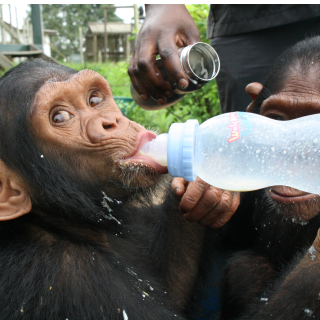
To provide a home and care for chimpanzees orphaned by the illegal commercial bushmeat and pet tradeswildlife trade, JGI established the Tchimpounga Chimpanzee Rehabilitation Center in the Republic of the Congo. Tchimpounga now provides best-in-class care to multiple species from West and Central Africa, including which now cares for more than 150 chimpanzees.
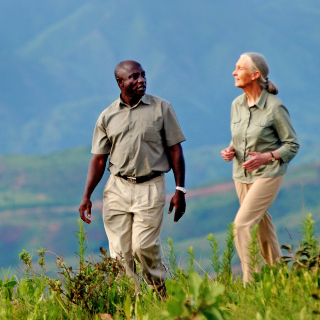
After witnessing the deforestation of the forests surrounding Gombe, Jane and the JGI team begin enlisting local Tanzanians to collaborate with village leaders to create land restoration and conservation plans. This community-led conservation approach, known as “Tacare,” leads to the restoration of much of the once-depleted forest habitat and later expands to over 100 villages in Tanzania and beyond.
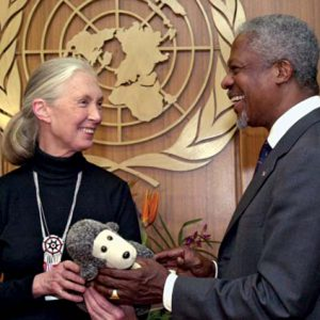
Then Secretary-General Kofi Annan bestowed recognizesupon Dr. Goodall’s longstanding work to create a more peaceful world by naming her a UN Messenger of Peace. It is tthe highest honor of the United Nations for global citizens for her work to create a more peaceful world through Roots & Shoots..
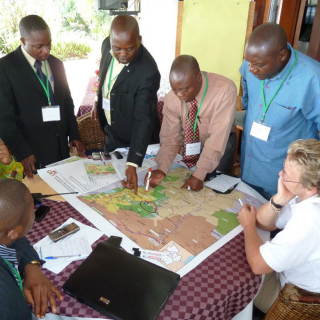
The plan seeks to bring together local communities, public officials, and NGOs alike to share the work of protecting the wider Gombe ecosystem and reestablishing degraded habitats while also improving the lives of people living nearby. It is the first of many Conservation Action Plans that JGI contributes to across the African continent.
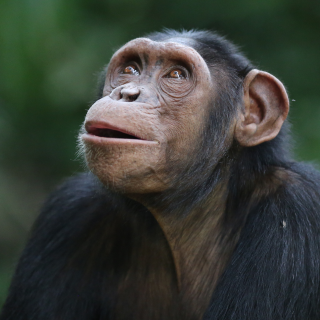
Together with a group of NGOs, JGI establishes World Chimpanzee Day was established to raise awareness for the care, protection, and conservation of chimpanzees in the wild and in captivity. The date, July 14, is chosen as it marks Jane’s 1960 arrival in what is now Gombe National Park to conduct her wild chimpanzee research.
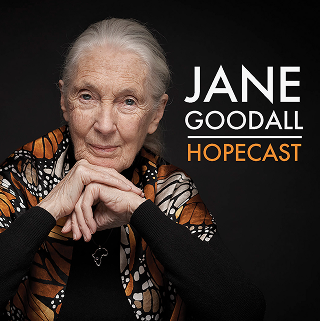
To further connect with audiences worldwide, Jane launched the “Jane Goodall Hopecast,” a podcast series filled with meaningful connections.
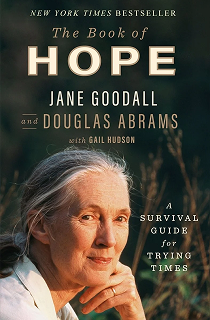
Jane shares her reasons for hope which include human intellect, the resilience of nature, the power of young people, and the indomitable human spirit.
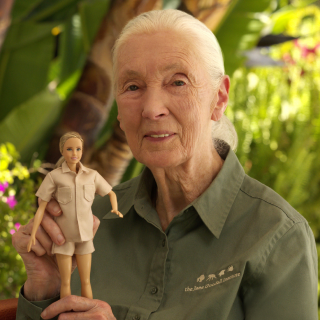
Mattel® creates a limited-edition Dr. Jane Goodall Barbie® doll as a part of the Inspiring Women™ Series, which pays tribute to incredible heroines. It is the first doll in the series to be made from recycled materials.
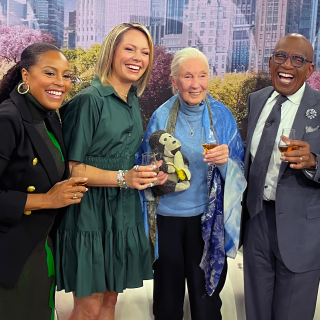
The world celebrates Jane’s 90th birthday with events and activities throughout the year. Jane continues to travel approximately 300 days each year, spreading her inspirational message of hope through action. The world celebrated Jane’s 90th birthday with events and activities throughout the year. Jane continued to travel approximately 300 days each year, spreading her inspirational message of hope through action.
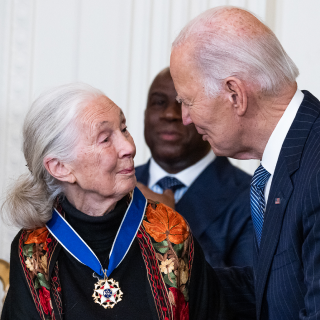
President Joe Biden awards Dr. Jane Goodall with the 2024 U.S. Presidential Medal of Freedom for her groundbreaking contributions to science and tireless advocacy for the planet. The ceremony was held in January of 2025.
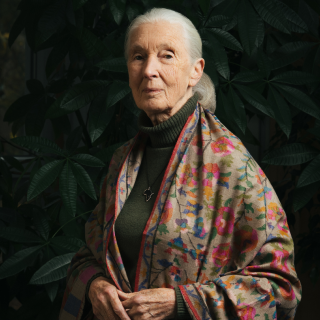
October 1, 2025. Dr. Jane Goodall, DBE passes away of natural causes at the age of 91, while on a speaking tour in the United States. The world mourned her loss with memorial events and tributes.
Valerie Jane Morris-Goodall is born on April 3, 1934, in London, England.
Jane observes a chimpanzee she named David Greybeard making tools to extract termites from their mounds, a discovery that would force science to reconsider its definition of homo sapiens as “Man the Toolmaker.”
Jane receives a PhD in ethology, the science of animal behavior, from Cambridge University. She was only the eighth person admitted to pursue a doctorate without an undergraduate degree.
Jane creates her namesake organization, initially to support the continuation of her chimpanzee research in Gombe. The organization later expands into a global, community-led conservation organization focused on wildlife research and rehabilitation, habitat restoration and protection, community-led development, and youth engagement.
In an effort to combat the illegal wildlife trade, JGI establishes the Tchimpounga Chimpanzee Rehabilitation Center in the Republic of the Congo to care for injured and orphaned chimpanzees. Tchimpounga now provides best-in-class care to multiple species from West and Central Africa, including more than 150 chimpanzees.
Then Secretary-General Kofi Annan recognizes Jane’s longstanding work to create a more peaceful world through Roots & Shoots, naming Jane a UN Messenger of Peace. It is the highest honor that the United Nations bestows upon a global citizen.
To further connect with audiences worldwide, Jane creates the “Jane Goodall Hopecast,” a podcast series filled with meaningful connections.
The world celebrates Jane’s 90th birthday with events and activities throughout the year. Jane embarks on a global tour and visits six continents to spread her inspirational message of hope through action.
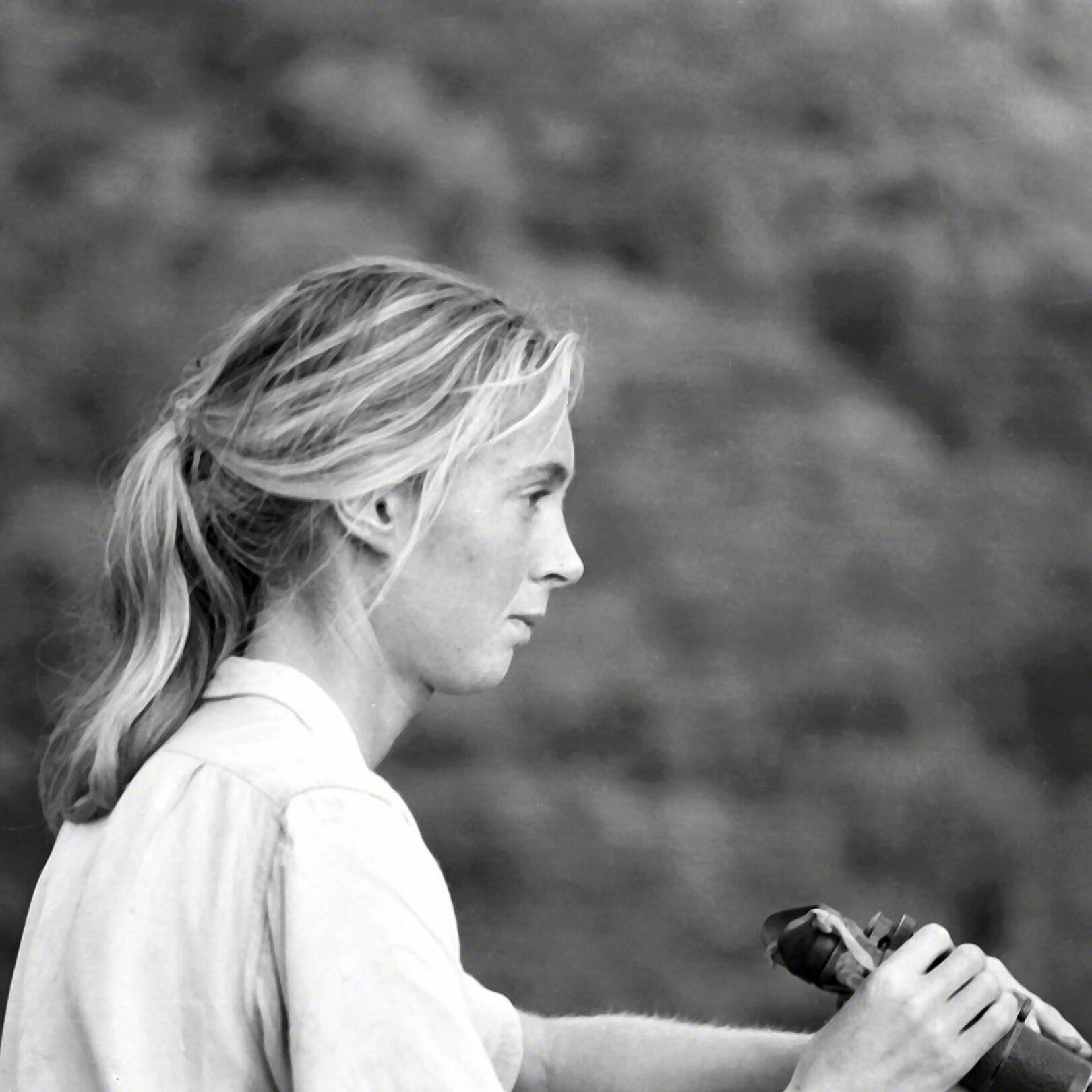
Jane and her mother, Vanne, arrive on the shores of what is now Gombe National Park in western Tanzania.
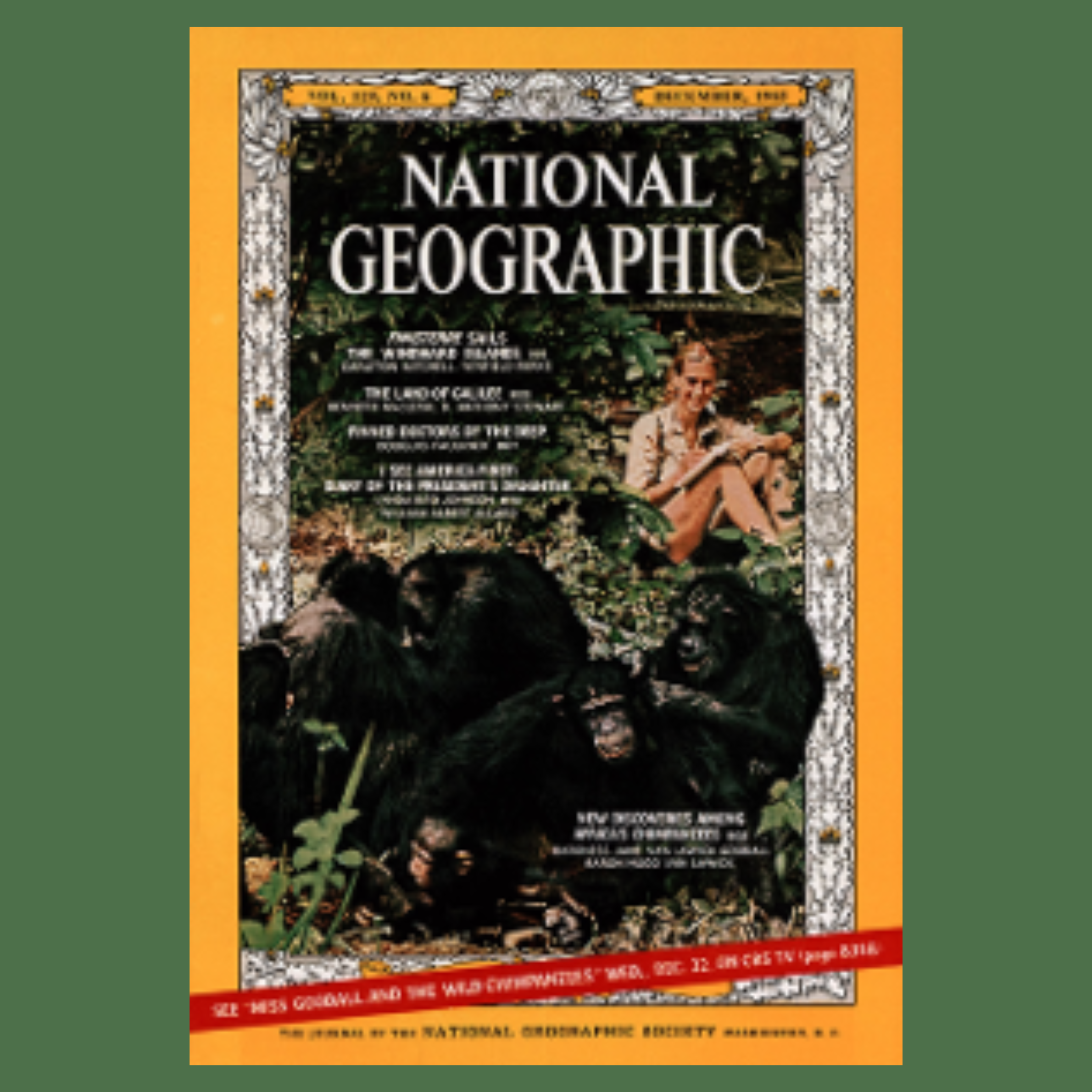
“My Life Among the Wild Chimpanzees” brings Jane and her chimps into the homes of millions.
Conflict erupts between two groups of rivaling chimpanzees in Gombe: the Kahama splinter group and main Kasakela group.
Jane organizes and attends the first Understanding Chimpanzees conference in Chicago. This shifts her focus from wildlife observation and research, to a broader animal welfare and conservation approach.
After witnessing the deforestation of the forests surrounding Gombe, Jane and the JGI team begin enlisting local Tanzanians to collaborate with village leaders to create land restoration and conservation plans. This community-led conservation approach, known as “Tacare,” leads to the restoration of much of the once-depleted forest habitat and later expands to over 100 villages in Tanzania and beyond.
The plan seeks to bring together local communities, public officials, and NGOs alike to share the work of protecting the wider Gombe ecosystem and reestablishing degraded habitats while also improving the lives of people living nearby. It is the first of many Conservation Action Plans that JGI contributes to across the African continent.
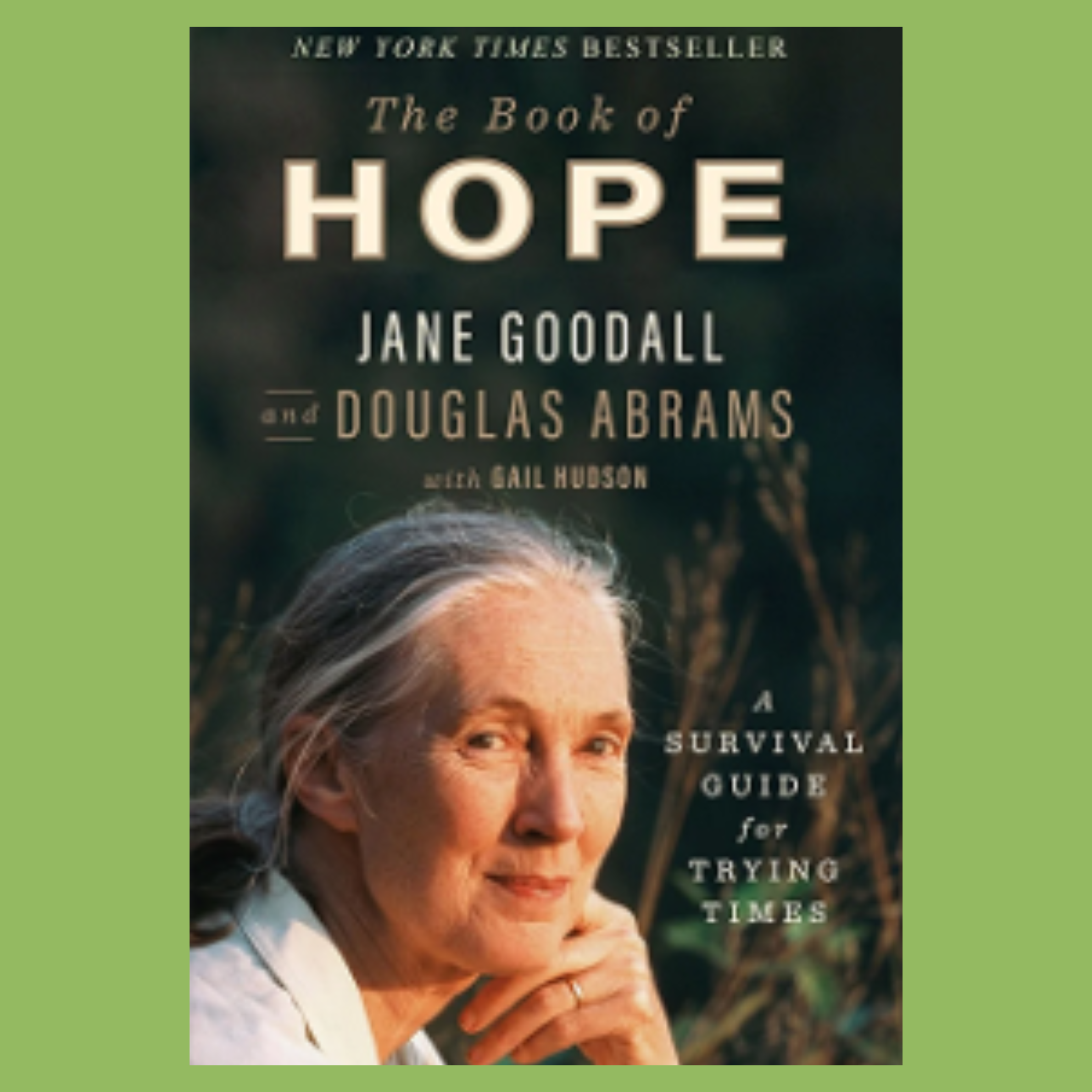
Jane shares her reasons for hope which include human intellect, the resilience of nature, the power of young people, and the indomitable human spirit.
President Joe Biden awards Jane with the 2024 U.S. Presidential Medal of Freedom for her groundbreaking contributions to science and tireless advocacy for the planet. The ceremony was held in January of 2025.
Jane observes a group of chimps eating a bushpig. Prior to this discovery, chimpanzees had been assumed to be vegetarian. During her research, Jane also observed the hunting process — a group of chimpanzees attacked, killed, and ate a red colobus monkey that had climbed high into a tree.
National Geographic films and releases “Miss Goodall and the Wild Chimpanzees,” which brings the lives of chimps and Jane into the spotlight internationally.
Cannibalism among the Gombe chimpanzees is first observed. Mother and daughter Passion and Pom steal and kill babies in their own community.
A group of 12 students in Tanzania reach out to Jane, feeling overwhelmed by the issues facing the world. Jane encourages them to start taking small actions to address issues locally, a moment that sparked the founding of Jane Goodall’s Roots & Shoots, the youth program of the Jane Goodall Institute.
Together with a group of NGOs, JGI establishes World Chimpanzee Day to raise awareness for the care, protection, and conservation of both wild and captive chimpanzees. The date, July 14, is chosen as it marks Jane’s 1960 arrival in what is now Gombe National Park to conduct her wild chimpanzee research.
Mattel® creates a limited-edition Dr. Jane Goodall Barbie® doll as a part of the Inspiring Women™ Series, which pays tribute to incredible heroines. It is the first doll in the series to be made from recycled materials.
Dr. Jane Goodall, DBE, passes away of natural causes at the age of 91, while on a speaking tour in the United States. The world mourns her loss with memorial events and tributes.