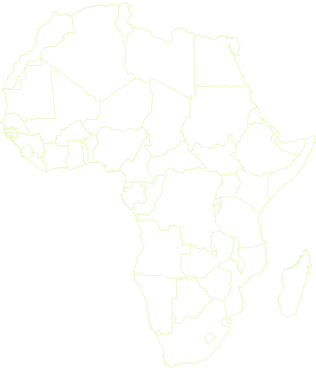
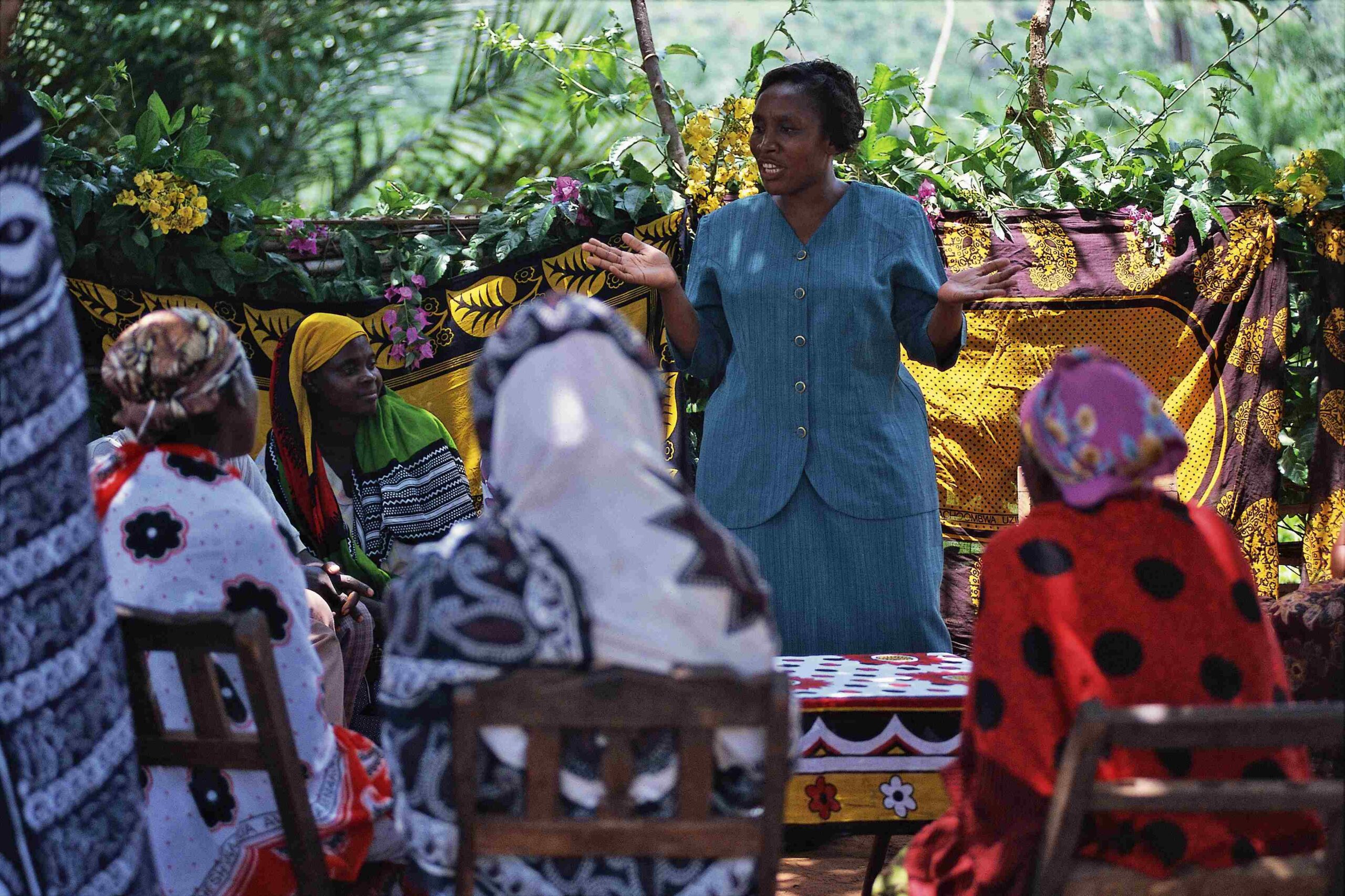
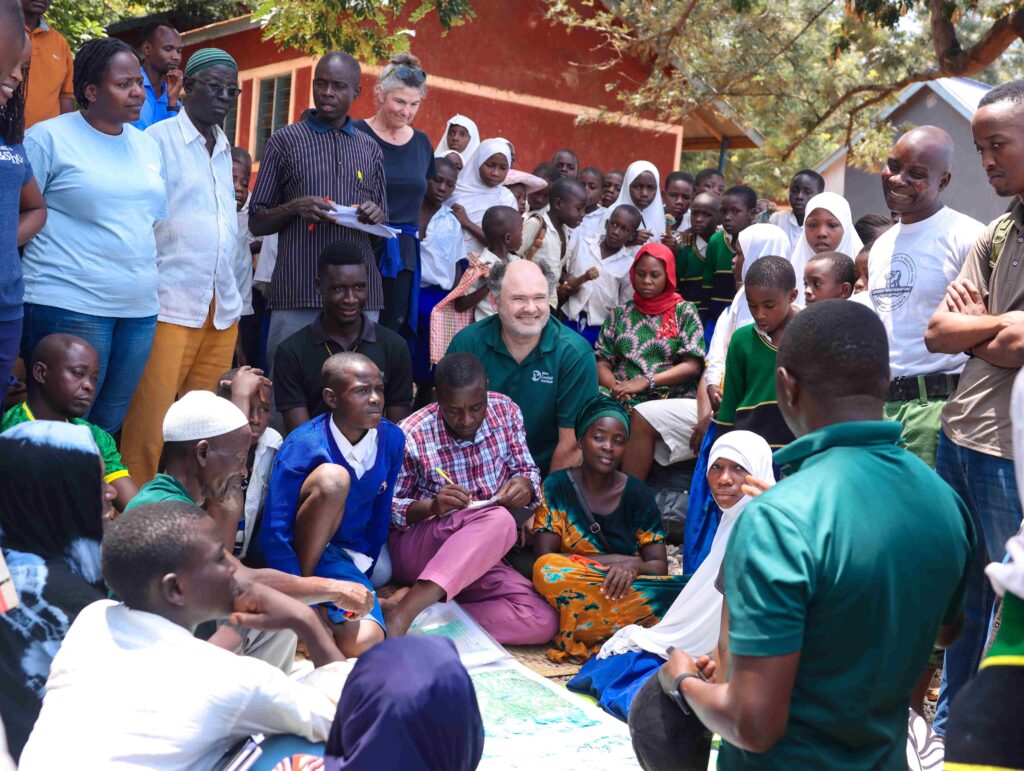
The Jane Goodall Institute USA co-designs conservation solutions with communities across Africa, with dedicated programs in the Democratic Republic of the Congo, the Republic of the Congo, Tanzania, and Uganda, and collaborative efforts with other countries. Together, we’re protecting great apes while supporting the people who call these landscapes home.
JGI USA’s Africa Programs team operates across chimpanzee range countries in Africa, with dedicated staff and established programs in the DRC, RoC, Tanzania, and Uganda. In addition, JGI collaborates with conservation partners in Senegal, Burundi, Liberia, Rwanda, and Mali to support chimpanzee conservation and community-centered environmental initiatives.
JGI TZ uses the Tacare approach to co-create conservation solutions alongside local communities, while the Gombe Stream Research Center continues to provide vital insights into chimpanzee behavior and ecosystem health.

JGI UG has strategically expanded the Tacare model’s coverage to include a large portion of the country’s chimpanzee range — strengthening legal protections for critical forest habitats and bolstering community-led conservation efforts to ensure the long-term survival of chimpanzees.
JGI DRC provides strategic leadership for the Ushiriki Consortium — a powerful collaboration of many partners operating across a massive 103,784 square mile region to support the vital Conservation Action Plan (CAP) for Great Apes in the Eastern DRC.
JGI RoC's primary focus is to counter the illegal wildlife trade through best-in-class animal care and rehabilitation at JGI’s Tchimpounga sanctuary, as well as through public awareness campaigns and collaboration with national law enforcement.
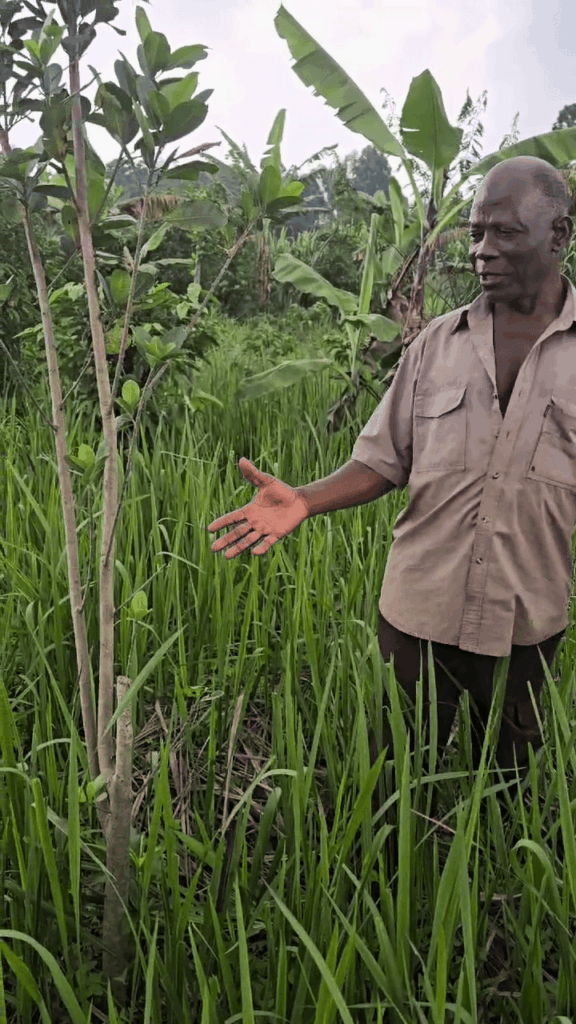
The Mutuba tree has deep cultural and environmental roots in Uganda. Through JGI’s community-led conservation approach, which we call Tacare, we are supporting the revival of this tree. This is just one way that Tacare shapes our efforts to fit the cultural values and everyday needs of each community.
Known for its strong roots and resilience to harsh weather, the Mutuba tree helps prevent erosion and protect vital chimpanzee corridors. But it also holds traditional significance — its bark is used to create bark cloth, a centuries-old material used for clothing, ceremonies, and household goods. The tree also provides wood for furniture and firewood, offering multiple income sources from a single, sustainable resource.
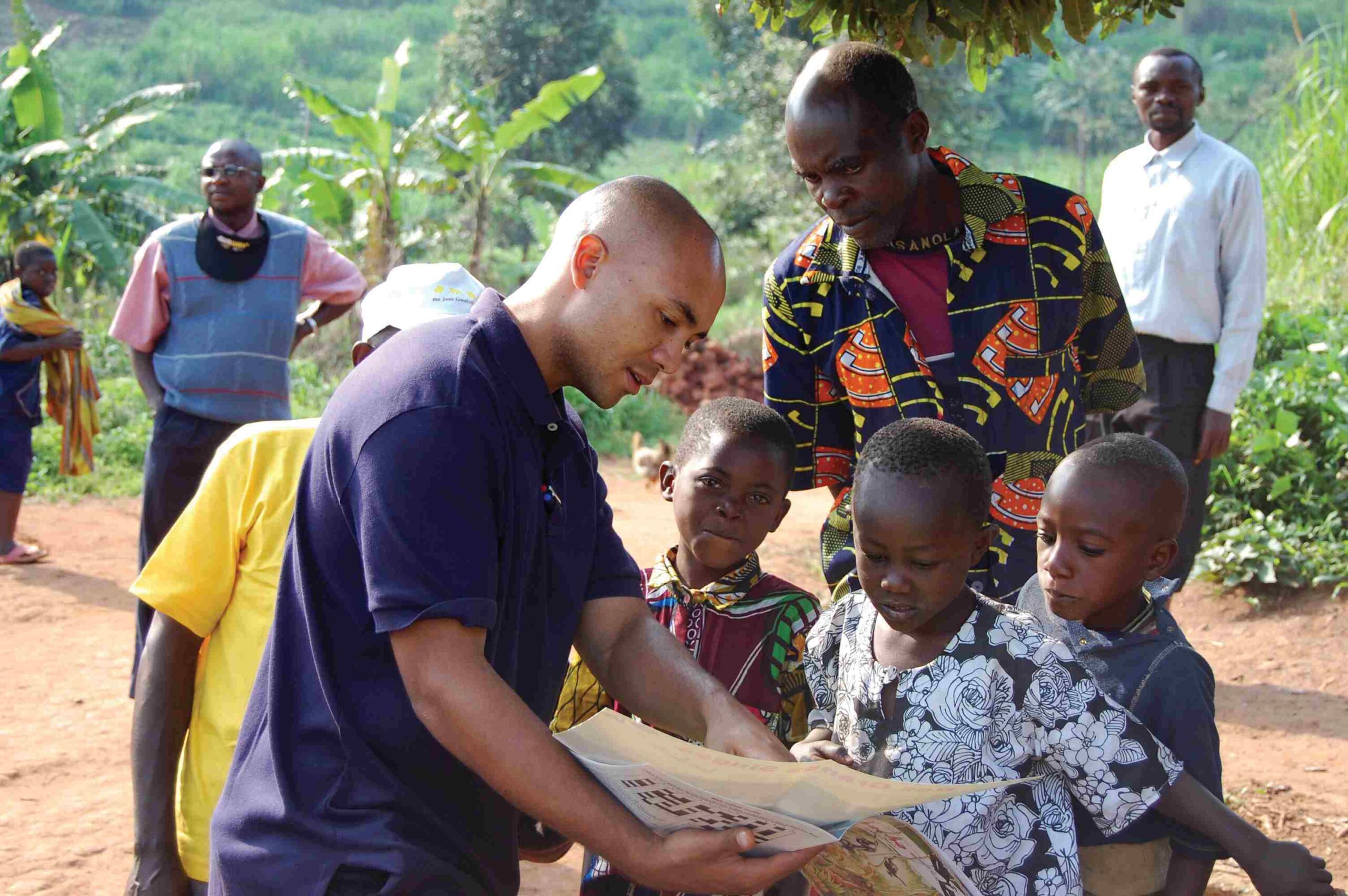
Thanks to strong local interest, community meetings led by the Jane Goodall Institute Uganda are popular events, and staff are regularly asked to help households plant Mutuba cuttings on their property. Together, we’re restoring forests, supporting families, and strengthening a legacy — one tree at a time.
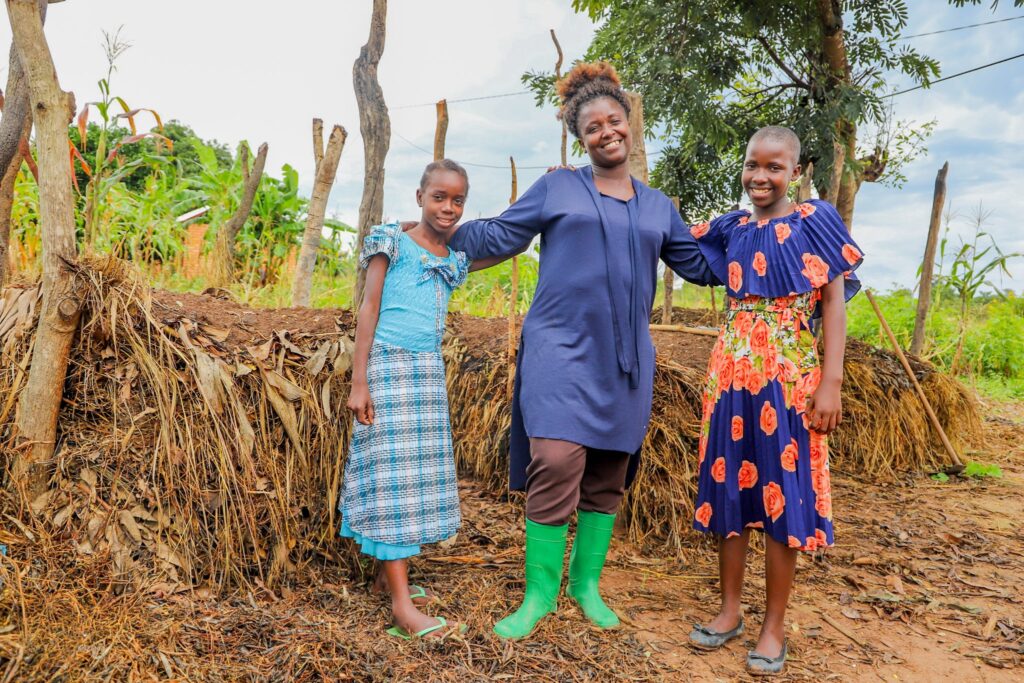
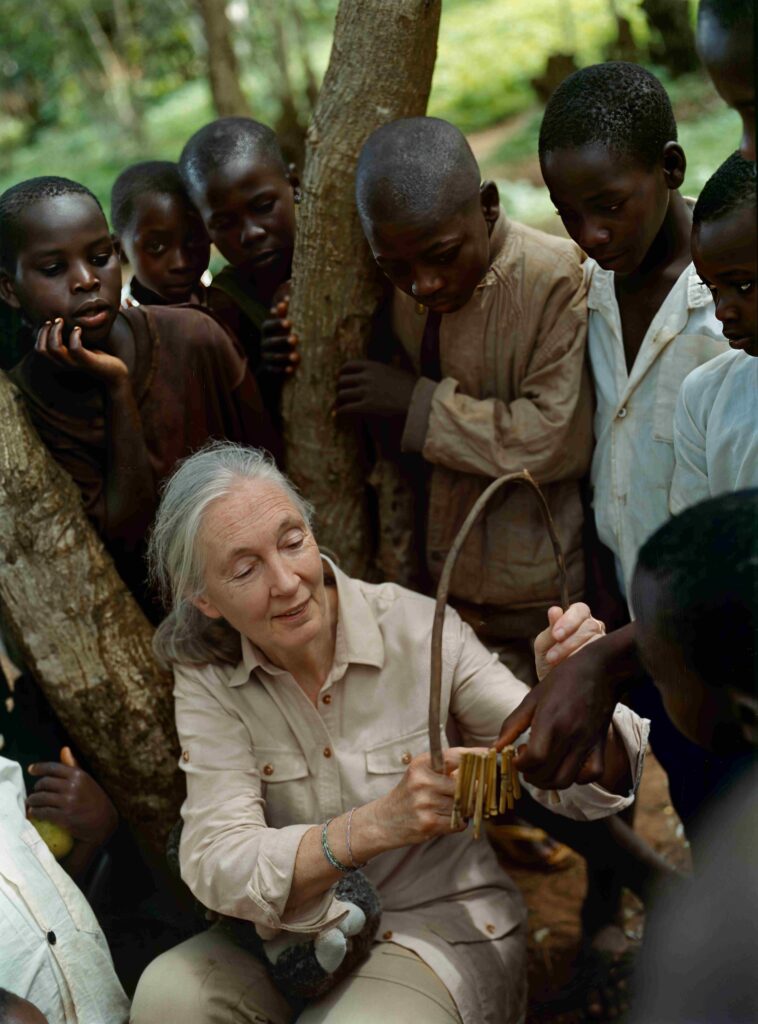
Our Tacare approach to community-led conservation is designed to adapt to the cultural context of each village and country that we work in. This form of giving reflects a shared belief in addressing complex challenges with foresight and sustained partnership.
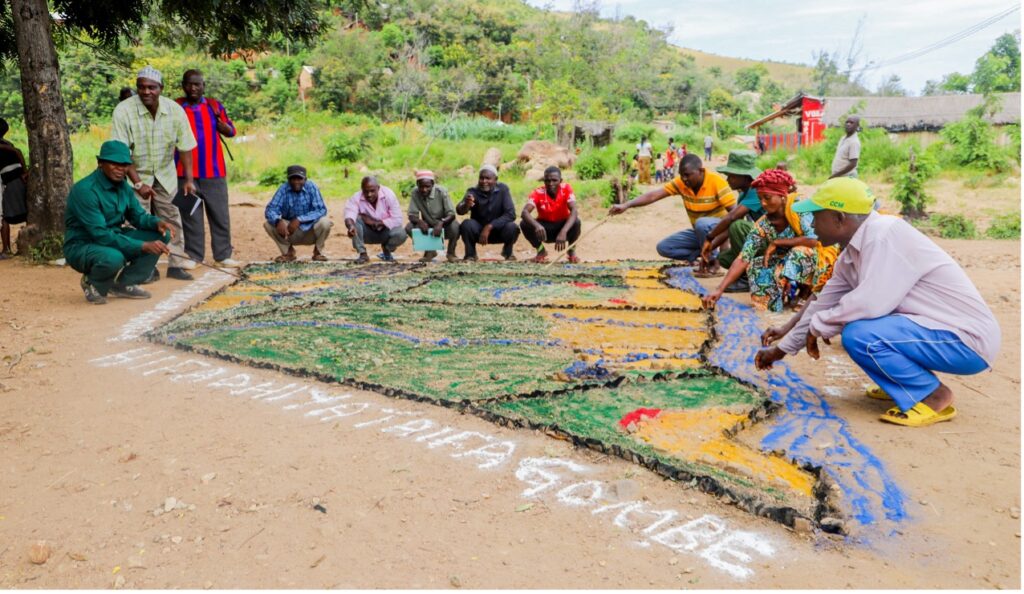
Partnering with communities to create land use plans — such as defining where communities can farm or graze animals — according to community needs and national conservation action plans.
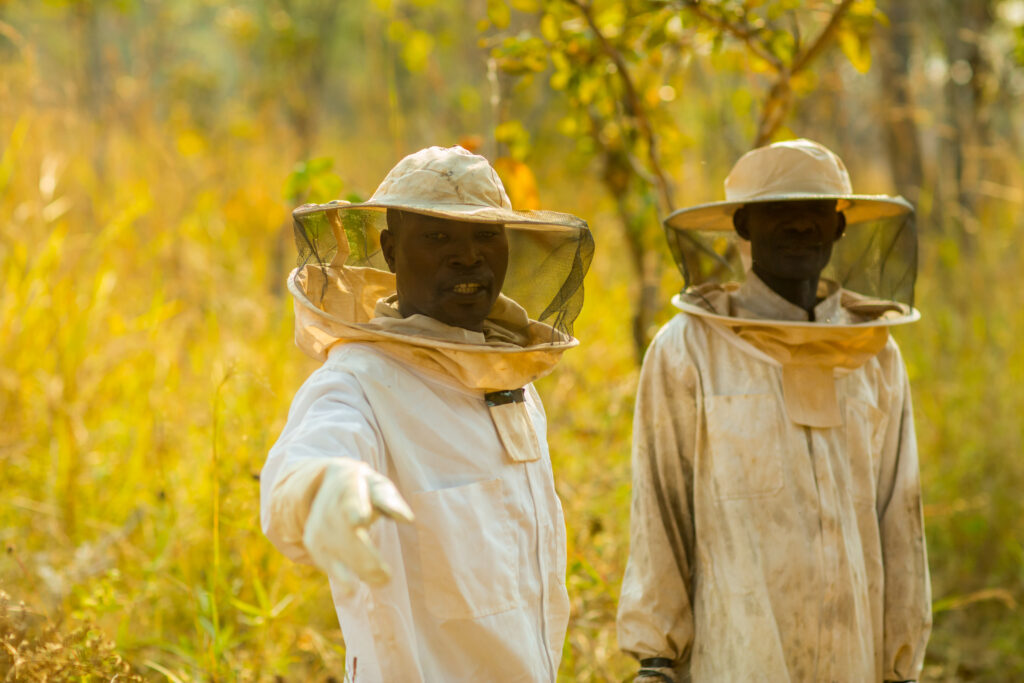
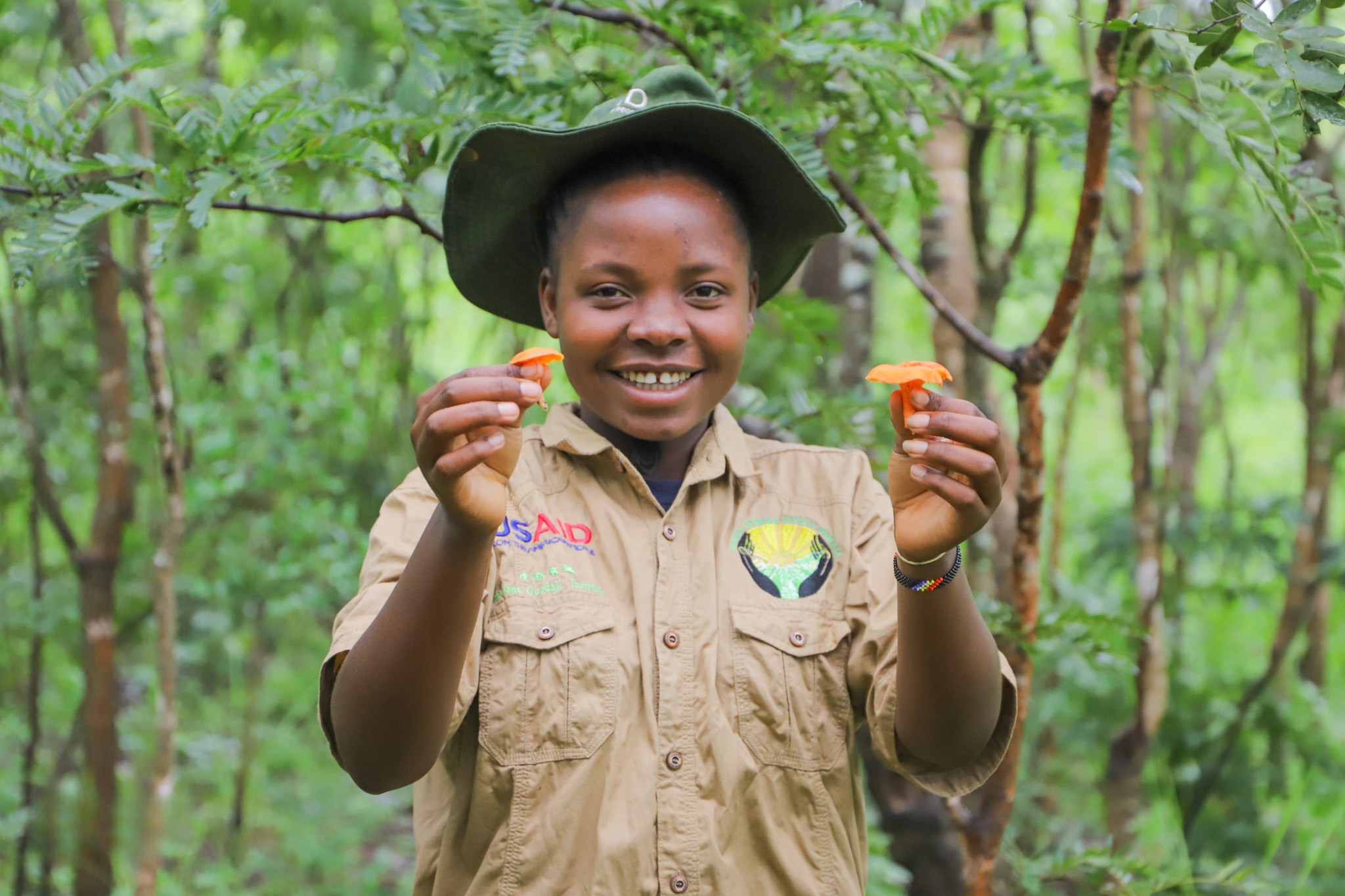
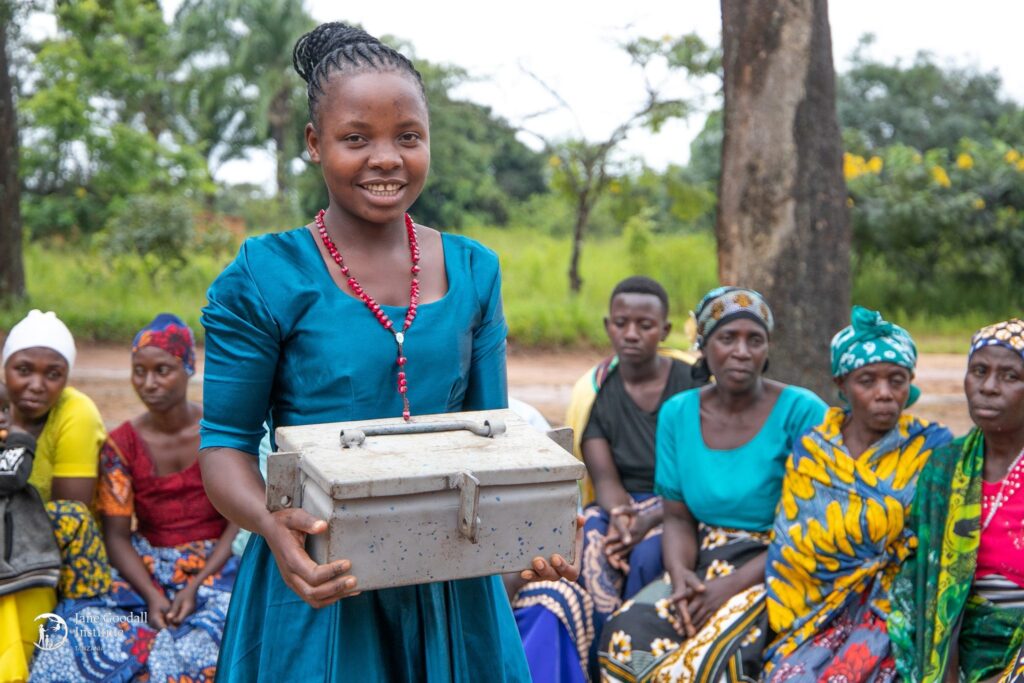
Providing an alternative to illegal hunting and logging by training community members in alternative, sustainable livelihoods like beekeeping, mushroom foraging, and farming with compost.
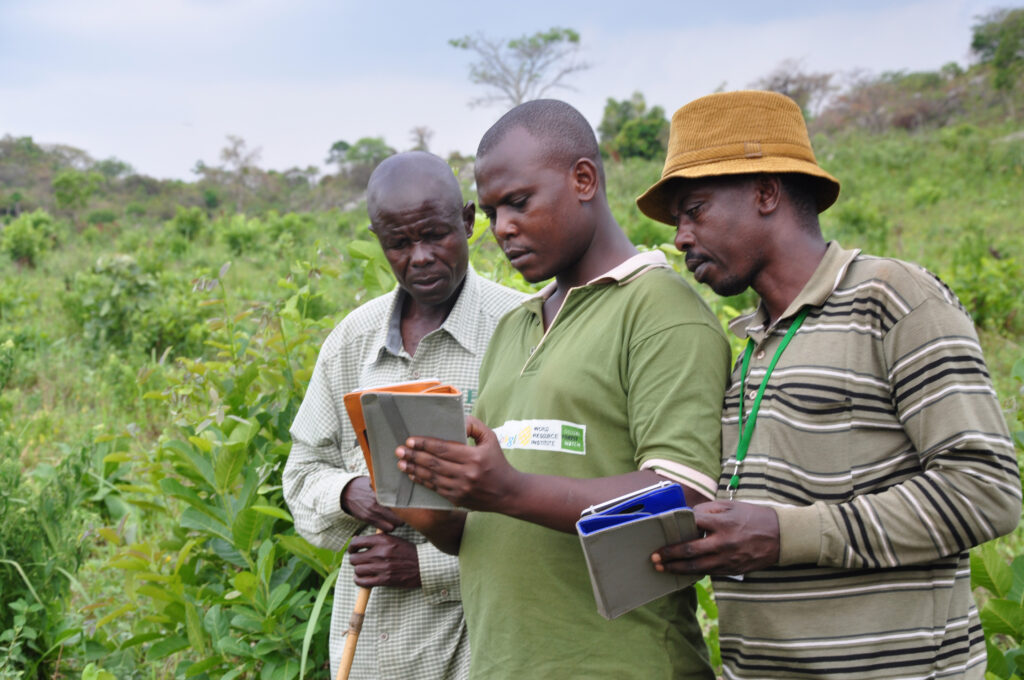
Building community capacity to conserve their own resources, such as equipping Village Forest Monitors to track habitat health, biodiversity, and even illegal activity in nearby forests.
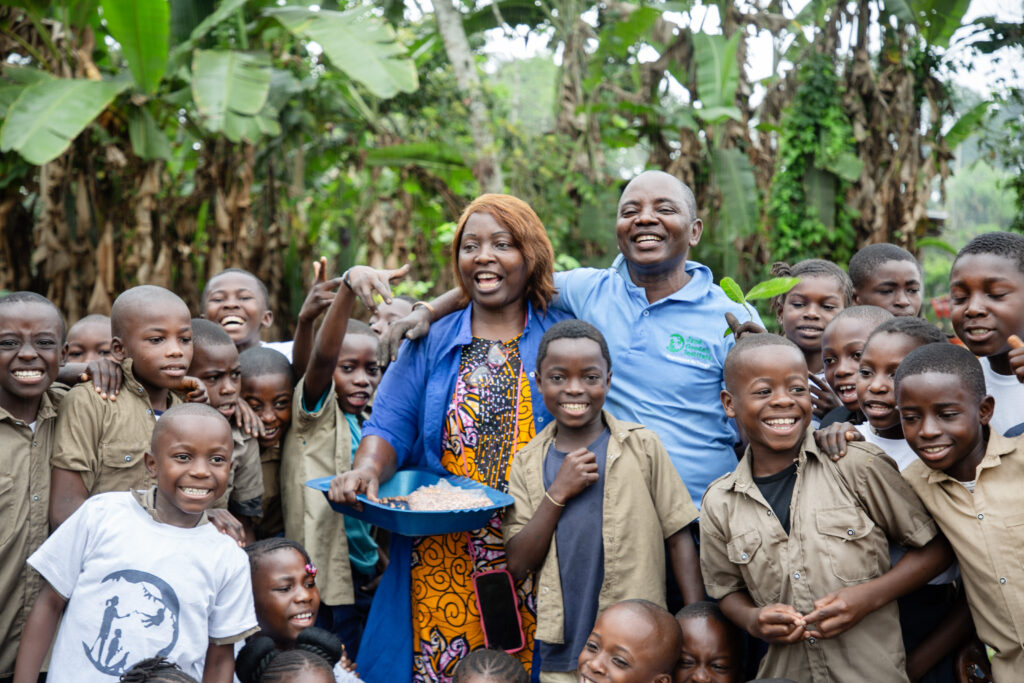
How do mushrooms help us conserve wildlife and wild habitats? Foraging for nutritious, edible mushrooms is a great sustainable livelihood!
Through our Tacare approach to community-led conservation, JGI works with communities living in and around chimpanzee habitats to come up with alternative ways to make a living that do not threaten wildlife, unlike illegal hunting and logging. We train communities on foraging as a sustainable livelihood, providing food and a regular source of income for families that participate and sell their mushrooms.
As a bonus, foraging allows wild mushrooms to replenish themselves, so it's great for the health of the ecosystem! The mushrooms can be harvested during the wet season, and then dried and stored for use and selling during the dry season. Since mushrooms rely on healthy forests to thrive, this provides a tangible incentive for communities to protect local forests — good for people, good for the planet!
Lorem ipsum dolor sit amet consectetur. Mattis magna duis odio in non morbi sapien morbi gravida. Et est urna ultricies consequat sit bibendum nunc. Pulvinar adipiscing elit vitae diam mauris faucibus mi mi molestie. Posuere eget suspendisse id feugiat purus varius libero. Tincidunt aenean iaculis fermentum sed posuere odio nec.
Download more information on our Africa Programs and our Tacare approach to community-led conservation.
Tacare originated as one project that JGI started in Western Tanzania in 1994 — the Lake Tanganyika Catchment Reforestation and Education project. This initiated JGI's community-led approach to conservation. With the project’s success, we decided to keep the name and apply it to other initiatives. The similarity to the phrase “take care” was a bonus.
Many of the threats to chimpanzees and their habitats — including illegal hunting and logging — are driven by poverty and other socio-economic issues. By working with communities to find alternative, sustainable livelihoods, we’re ensuring that people and wildlife both have what they need to thrive.
Photo credits: Fernando Turmo, Kennedy Kitandwe, Michael Pandisha, Eric Guzzetta, Mike Rentals, Norman Jean Roy, Stephano Lihedule
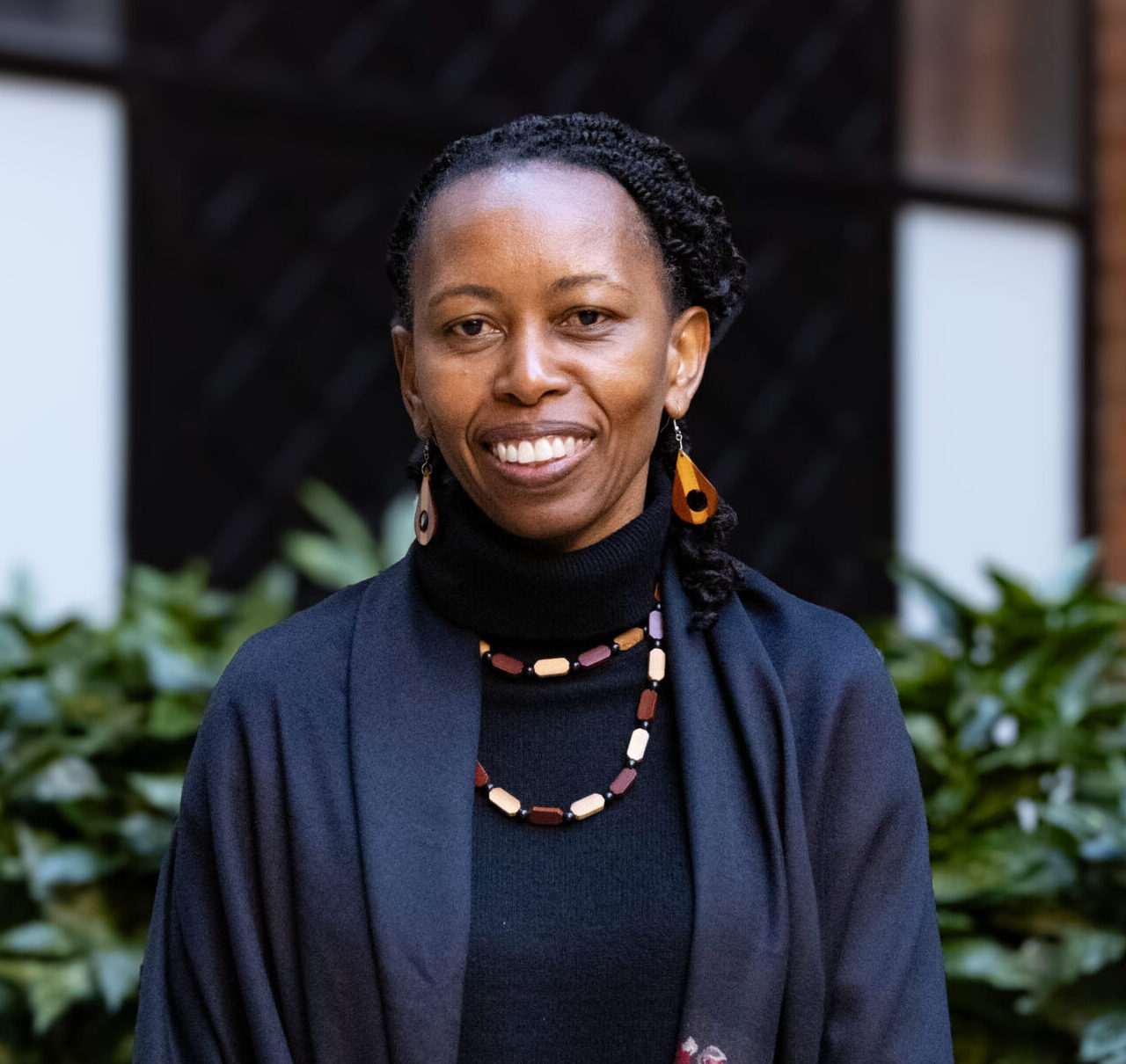
“When people feel respected and included, they lead. That is the heart of Tacare. And that is how we create change that lasts — for people, for wildlife, and for our shared future.”
— Alice Macharia, Vice President of Africa Programs