
January 30, 2017 By Barbara Sarbin
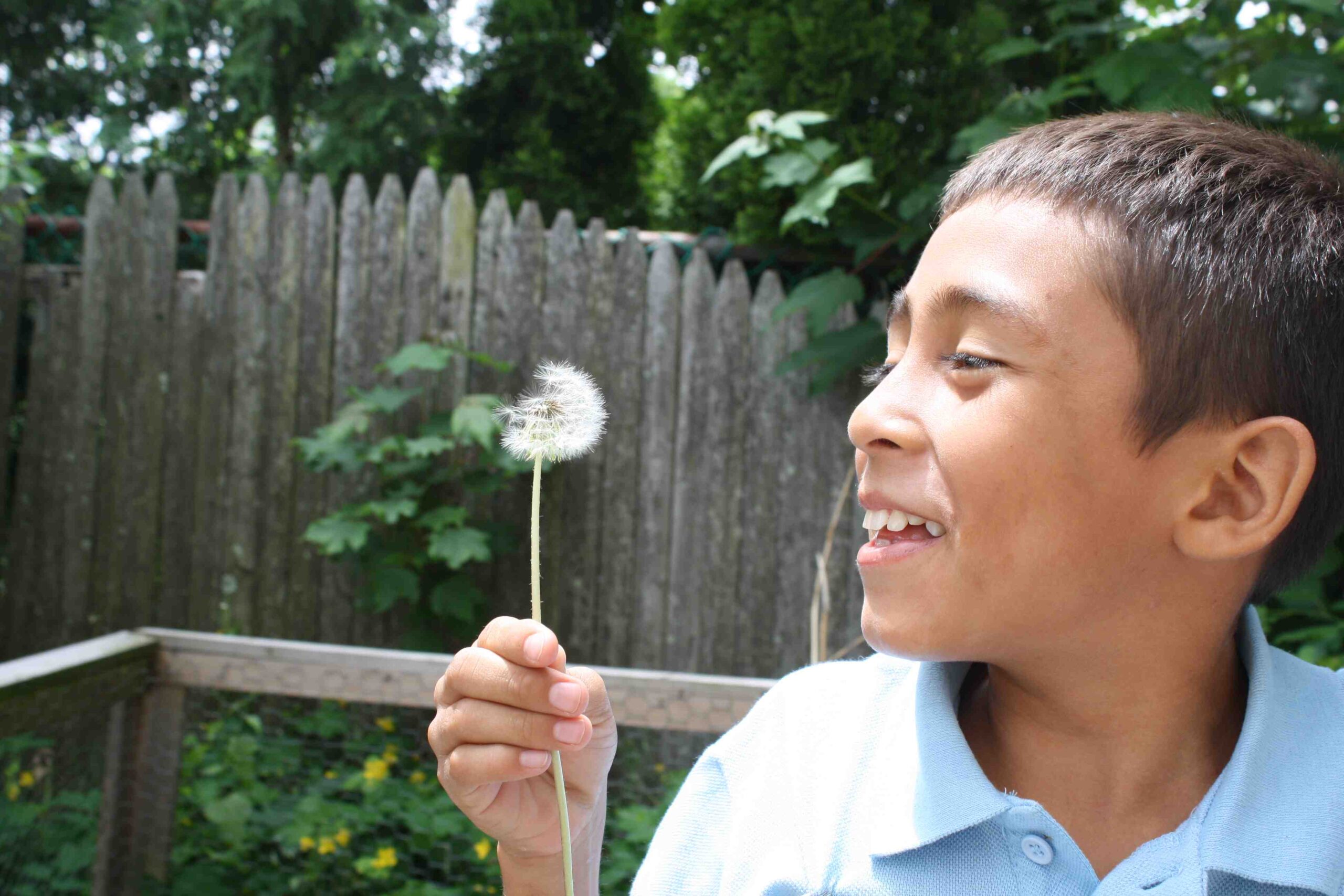
by Barbara Sarbin, Something Good in the World
My work takes me into quiet places in nature, with children who have experienced things that no child should have to. Often when I am with a group of refugees from Central America, and I discover that one of the girls is only 11 years old, the same age as my daughter, I cannot imagine what her mother has gone through. I think about saying goodbye to my child, sending her on a long journey to cross a distant border alone, on foot, hundreds or thousands of miles away. In my mind, I can hear the mother saying, that this is the only way her child will have a chance to be safe.
I am standing on the other side of that border, and it is my honor to welcome children to the United States, who will be resettled legally here. They do not speak English, and often they do not even speak Spanish, only a native language of their country, spoken in a remote place. It’s my job to introduce them to one aspect of their new life in the U.S., one they’re familiar with from home: organic agriculture and healthy eating. The foods are different in this New York climate, but the principles are the same; growing vegetables, fruits, herbs, foraging for wild edibles, and tending domestic animals, all in sustainable and ethical ways.
The lack of peace these children feel is something I can help balance, because the gardens I teach in are dedicated to Peace. Designed by and for children, using only native plants, perennials, and the principles of organic gardening and sustainable agriculture, the Children’s Peaceful Garden is dedicated to peace, conflict resolution, and coexistence. With the idea that nature is the best teacher and the outdoors is the best classroom, students are guided in learning by doing, observing the symbiotic relationships that nature demonstrates. With wildlife as their guide, children learn firsthand what it means to live in harmony.
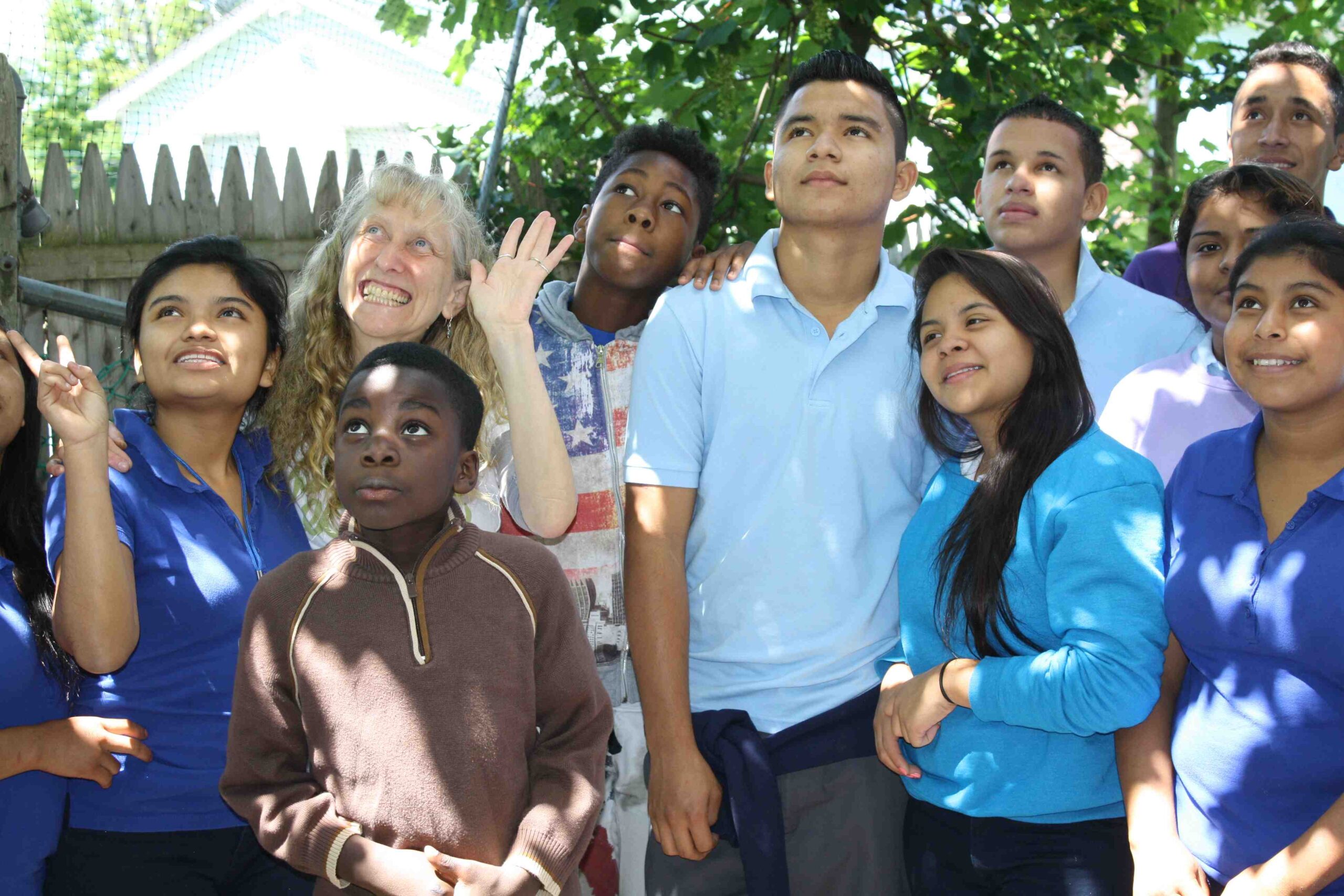
The first Children’s Peaceful Garden came about in answer to a request from a group of children for a space to play in where there would be no competition, no arguments, where they could build and explore, use their imaginations, make art, write, think, and simply be themselves. Over time, it evolved to include a demonstration of sustainable principles, alternative energy systems, renewable resources, and environmental conservation. But its main purpose is to offer a place of liberation in learning and playful discovery.
I watch the refugee children breathe deeply in the gardens, dig in the dirt to find worms for the compost, taste honey straight from the beehive, and I watch them melt, like crayons in the sun. It’s my privilege to witness the melting, the softening of the past, as they let go. They tell me they feel free again, that it smells like home. They’re so happy to gather eggs from the free-ranging chickens, like they’ve always done. They laugh, they chatter, their eyes sparkle. It’s enough.
When I see Jane Goodall with the chimps, in the orphanages or in the forests or in laboratories, I see how they reach out to her for that same kind of peace. She holds a place in herself where animals can be themselves, and feel safe. When I see a video of her helping to release a chimp into the wild, and it turns around to hug her, it’s that same impulse I see in human children. In my own farm-based education work, I see there’s no greater sense of humanity and empathy felt by a child than caring for an animal.
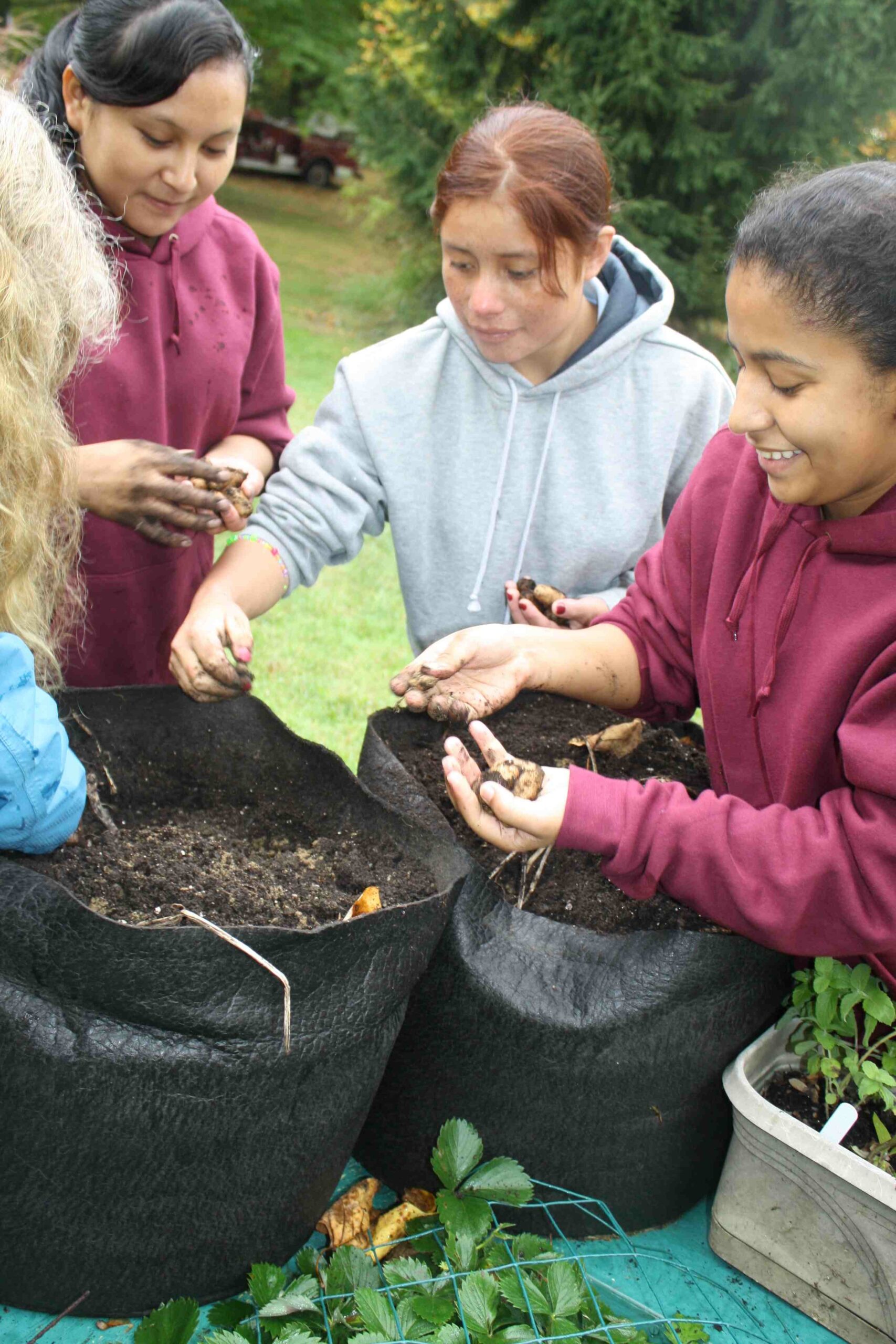 Often when I describe my work, other parents and teachers will cry that all children need this connection with nature. I completely agree, so I try to work with as many collaborative schools and youth groups as I possibly can. The freedom of walking in the woods or splashing in a cooling stream on a hot day, are all experiences that every child is owed. It’s more than just science or life skills or cooking or farming – it’s life going on, as it always has.
This environment draws no differences between children in New York, Hawaii or El Salvador, whether from an inner city, a farm or a tropical island, they all come seeking a sense of freedom and safety. A Children’s Peaceful Garden offers containment, where children can use their endless energies in small, intimate spaces, encountering nature at their own speed, and growing themselves as they grow their plants, seeing the connection between the two, learning how a sense of peace pervades natural life, especially in uncertain times.
Tips for Educators:
Cultivating peace and harmony in outdoor classrooms goes beyond creating community gardens…
(For more ideas: see Gaia’s Garden; A Guide to Home-Scale Permaculture, by Toby Hemingway)


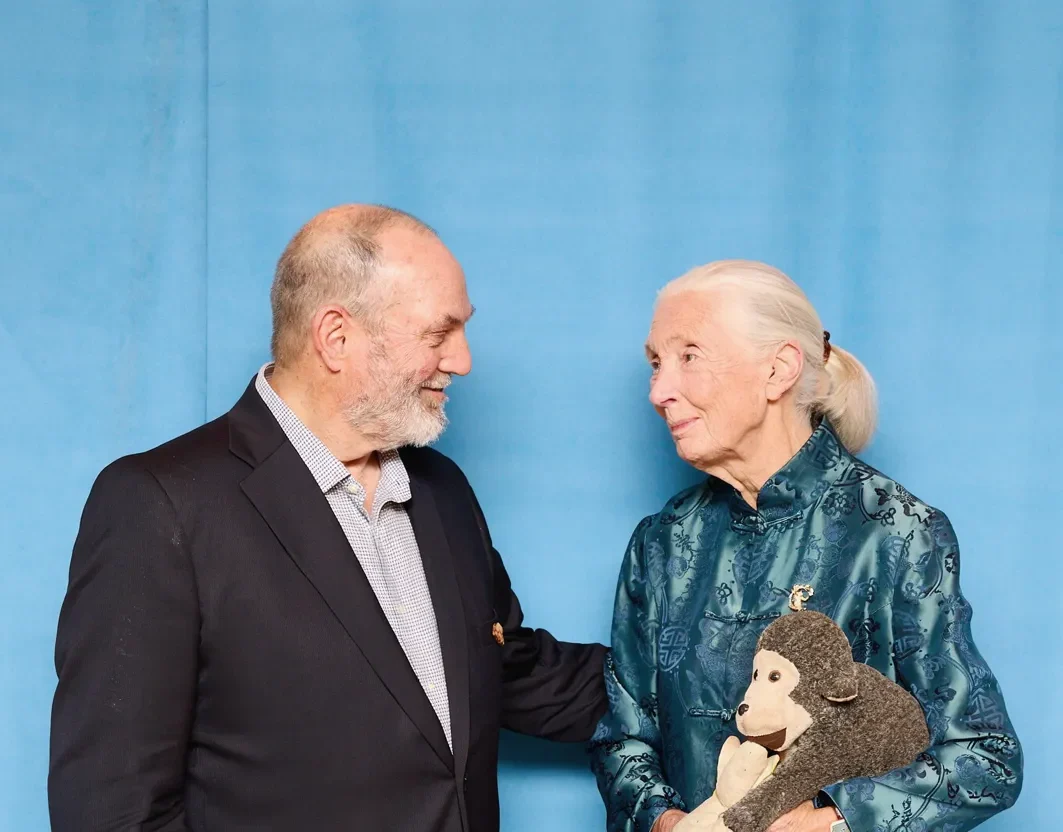
The Jane Goodall Institute is deeply saddened by the passing of our longtime friend, supporter, and leader, Donald…
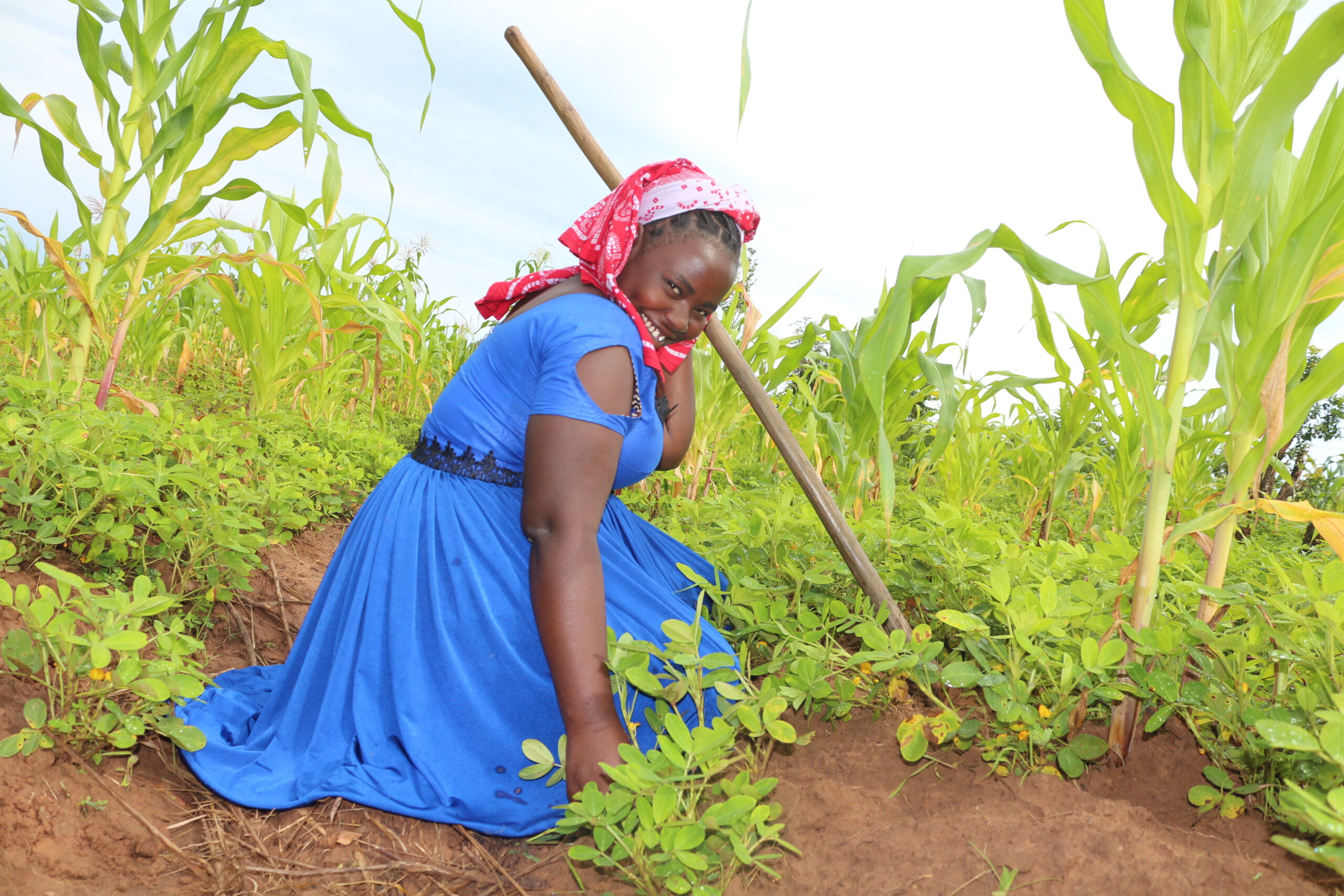
How do you create conservation campaigns that have lasting impacts? You can explain why protecting the environment is…
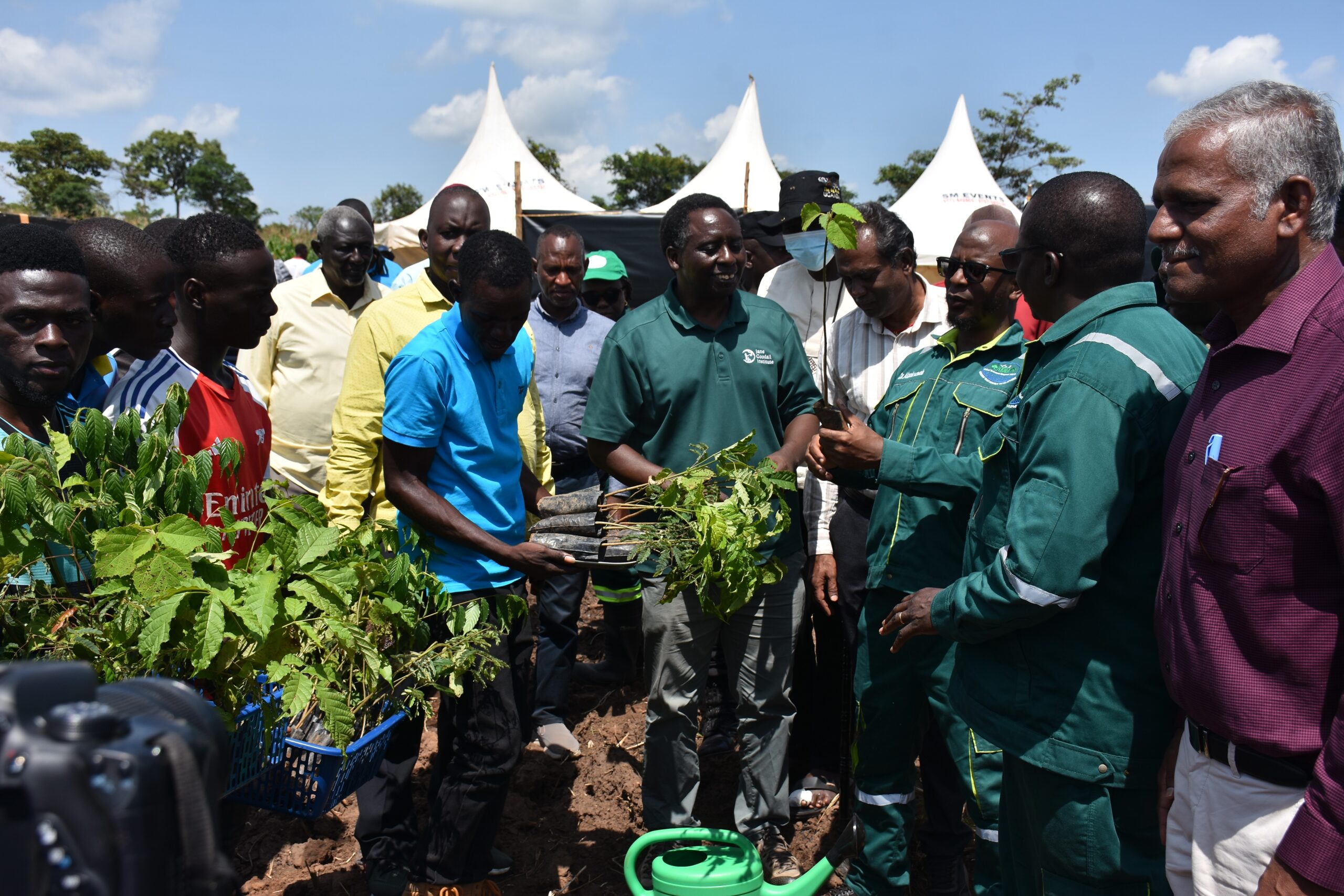
On June 8, 2026, the National Environment Management Authority (NEMA) in collaboration with the Jane Goodall Institute, Bunyoro Kitara…