
August 6, 2026 By Kara Solarz
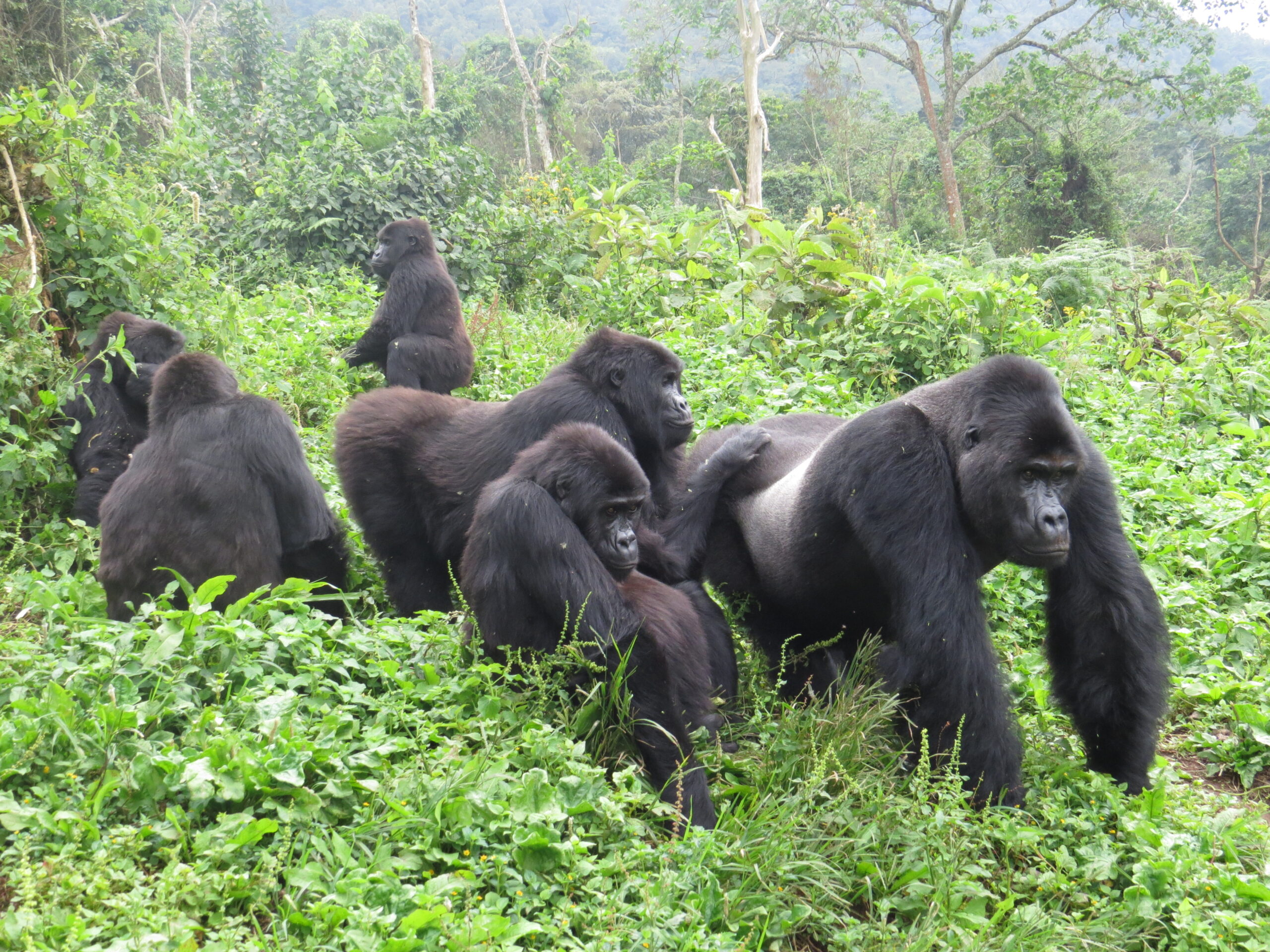
A newly released eastern gorilla assessment is shining a light on the species’ risk for extinction — and revealing that there is hope.
The International Union for Conservation of Nature (IUCN) just released the most comprehensive evaluation to date of the eastern gorilla’s population status, including their distribution, ecology, and long-term prospects. The evaluation, known as the first Green Status Assessment, included separate analyses for the two eastern gorilla subspecies: Grauer’s gorilla, a focal species of a JGI-led initiative to develop the Great Ape Action Plan in the Eastern Democratic Republic of the Congo, and the mountain gorilla.
“The value of the Green Status is that it enables us to monitor progress, not just document decline. By dividing the eastern gorilla’s historical range into distinct spatial units and assigning standardized recovery scores, we turn data and expert knowledge into a baseline we can revisit, showing conservation practitioners, communities, governments, and donors where conservation is working and where it needs to be strengthened”, said Dr. Lilian Pintea, JGI’s VP of Conservation Science, a member of the IUCN’s Section on Great Apes who led JGI’s contributions and collaborative mapping support.
The findings highlight an interesting dichotomy: the Grauer’s gorilla has experienced substantial population declines across much of its range over the past two decades, and in the mountain gorilla, a promising population increase — from 620 individuals to over 1,000 — demonstrates that sustained, long-term conservation action can lead to recovery.
“The assessment highlights the severity of the Grauer’s recent decline,” says Dr. Marc Fourrier, JGI’s Director of Great Ape Conservation, a member of the IUCN’s Section of Great Apes who advised on the assessment. “It also shows the realistic and positive potential for the improvement of their conservation though greater community protected areas, such as Local Community Forest Concessions, in which community members sustainably manage their own natural resources.”
The great ape experts that contributed to the assessment agree that it provides a clear road map for species conservation, one in which communities, governments, and conservation partners work together for sustained, long-term protection. At the Jane Goodall Institute, this is directly in line with our community-led conservation approach, Tacare, through which we are actively working throughout Eastern DRC. Work in this region includes coordinating the design and implementation of a conservation action plan covering a vital, 100,000+ square mile region of great ape habitat in collaboration with a group of partners known as the Ushiriki Consortium.
”Gorillas are keystone species, thus their roles in the environment are vitally important to the ecologies of numerous other species,” says Dr. Fourrier. “When we conserve the presence of gorillas in the environment, we are ensuring the sustained integrity of the entire ecosystem in which they inhabit.”
Thank you to the many partners and experts who contributed to this assessment, including JGI’s own Dr. Lilian Pintea and Everlyne Lelei from JGI’s Conservation Science team, who provided mapping support, along with Dr. Marc Fourrier and JGI Democratic Republic of the Congo Executive Director Emola Pippen-Hashim Makambo. Read more about the newly released eastern gorilla assessment here.

Kara Solarz is the Director of Corporate Communications & Marketing at the Jane Goodall Institute USA.


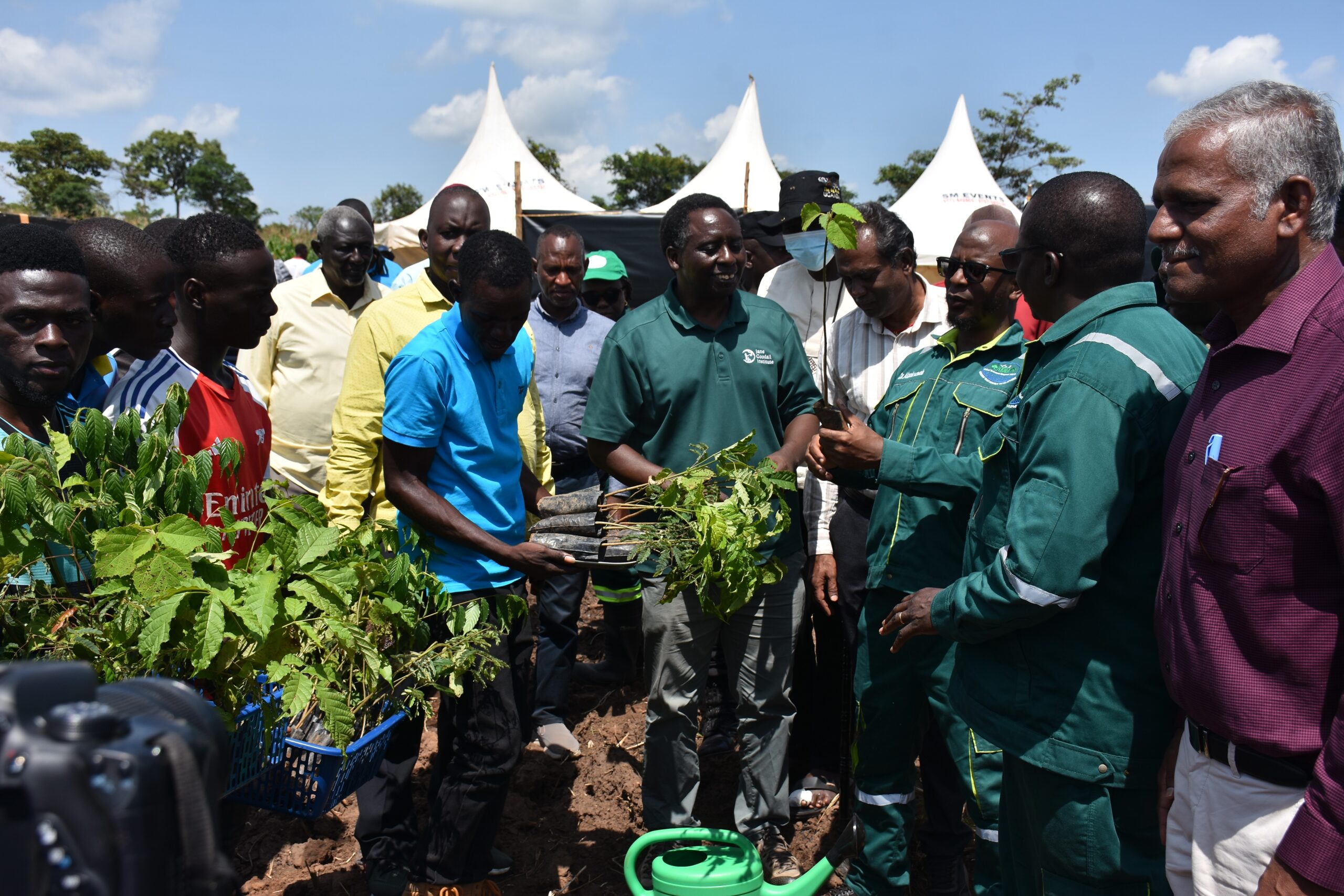
On June 8, 2026, the National Environment Management Authority (NEMA) in collaboration with the Jane Goodall Institute, Bunyoro Kitara…

October 1, 2026 marks the one-year anniversary of Dr. Jane Goodall ‘s passing. While we still feel her absence keenly,…
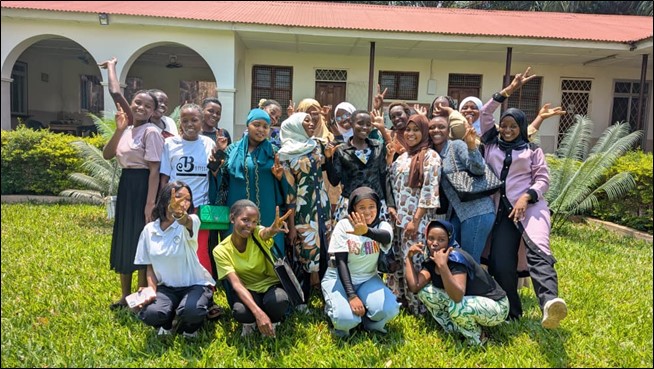
At the Jane Goodall Institute, conservation begins with people. For more than 30 years, JGI has worked alongside…