
September 23, 2026
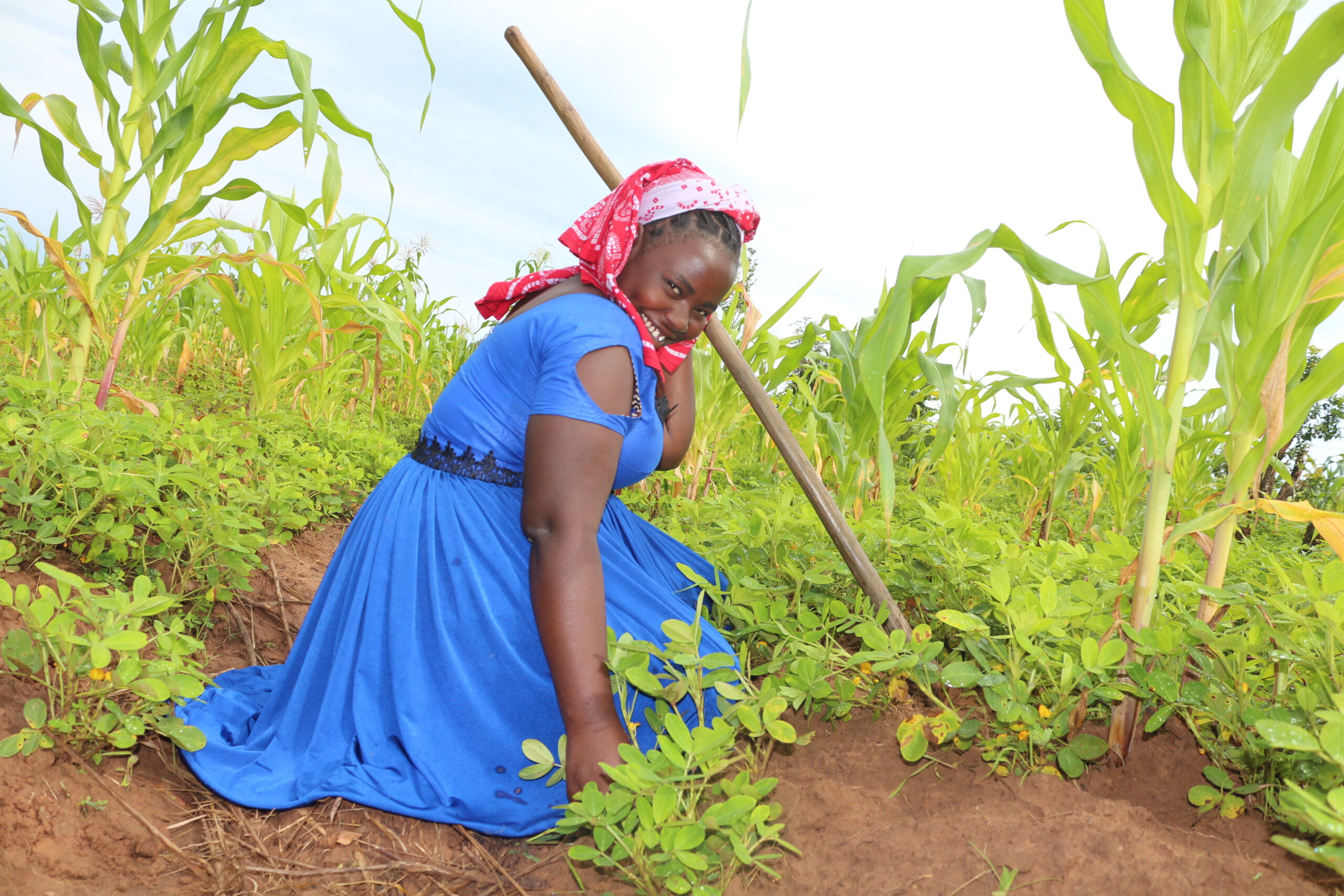
How do you create conservation campaigns that have lasting impacts? You can explain why protecting the environment is important, but you create change when you can provide practical solutions that people will use. In a new book titled 🔗 Conservation Co-Created; When Communities and Nature Thrive Together, our 🔗 Africa Programs team draws on their experience co-creating a behavior change campaign with farmers in Tanzania, and builds it into a practitioner’s guide full of practical steps and tools. It’s not just the story of what they did; it’s a roadmap for anyone looking to achieve meaningful conservation outcomes in their own communities.
What is a behavior change approach? It’s more or less what it sounds like: an approach that asks local people to change a specific behavior for community benefits. This isn’t new; in fact, the public health community has been using behavior change campaigns for many decades! Such campaigns have worked to help people get vaccinated against viruses, stop smoking cigarettes, and even wear face masks (sound familiar yet?).
What is new is the use of behavior change principles in the conservation world. Historically, conservation campaigns have focused on awareness, informing a community about issues like the illegal wildlife trade, global climate change, and deforestation. Our teams on the ground realized that there was more they could do — to meet the scale of current conservation challenges, they needed approaches that not only help people understand the problems but also help them adopt new, sustainable behaviors to counter them.
A behavior change approach offered a solution.
With help from social scientists Dr. Lauren Watkins and Robert Mkosomali and the team at Impact By Design, JGI began planning a behavior change campaign around halting deforestation in western Tanzania. The process directed our teams to ask an important question: how can we create conditions where sustainable choices make sense, feel achievable, and can last? When the team at JGI Tanzania asked this question, it sparked a successful composting campaign that formed the foundation of this new book.
Through JGI’s 🔗 Tacare approach to community-led conservation, which puts local people at the center of conservation decision-making, the team learned that unsustainable farming was a major cause of deforestation in the area. In areas of Tanzania where farming is the primary livelihood for many people, farmers rely on fertile soil to support themselves and their families. When the nutrients on their land became depleted, farmers would find patches of nearby forest to cut down and cultivate.
As this pattern continued and more forest was cut down, the nutrients in previous lots weren’t being replenished, making it very difficult for plants to return. Without these plants’ root systems holding the soil in place, the land became susceptible to erosion, causing further soil degradation, water pollution, and risk of flooding to local communities during heavy rains. This essential livelihood was having disastrous effects on human communities, local wildlife, and the ecosystems they live within.
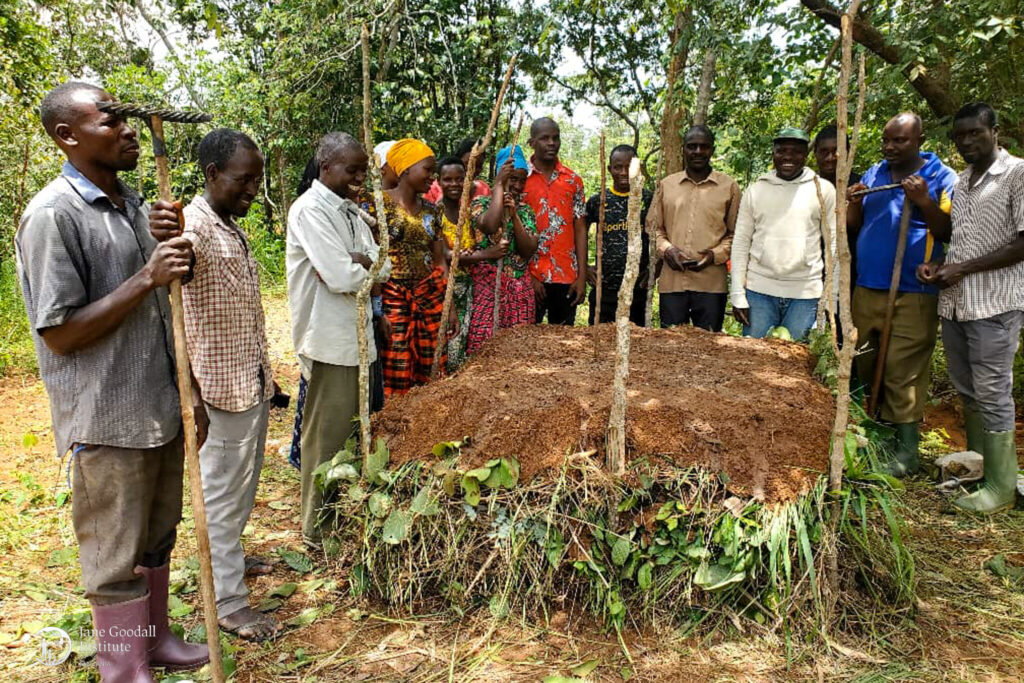
The team realized that composting could halt this vicious cycle, replenishing farmers’ land so that they didn’t have to look elsewhere for fertile soil. But local farmers weren’t used to composting, and as many of us would agree, starting a new habit can be difficult. They needed to determine whether this solution was feasible, and what support the community would need if they decided to implement it. That’s where behavior change proved essential, with a series of questions the team asked themselves and the community, including:
Could households realistically adopt composting with the resources available? Yes! The team identified a kind of composting that only required some sticks and leaves to set up a pile, plus whatever organic materials that wouldn’t be sold from the farm.
Would results be visible quickly enough to keep people motivated? JGI staff knew that this would be a challenge — composting takes time. But if they provided initial batches of compost to participants, they could see firsthand how composting would improve their soil quality. Baseline soil testing gave the team confidence that by using this compost, community members would quickly see a measurable difference.
Did composting align with community values and traditions? While composting itself might not have been an established practice, it would support farming — already an important livelihood in these communities.
Could they track adoption and outcomes over time? Yes! Because these were communities our teams have worked with for many years, JGI staff felt confident that they would get regular updates from local farmers on the progression of composting.
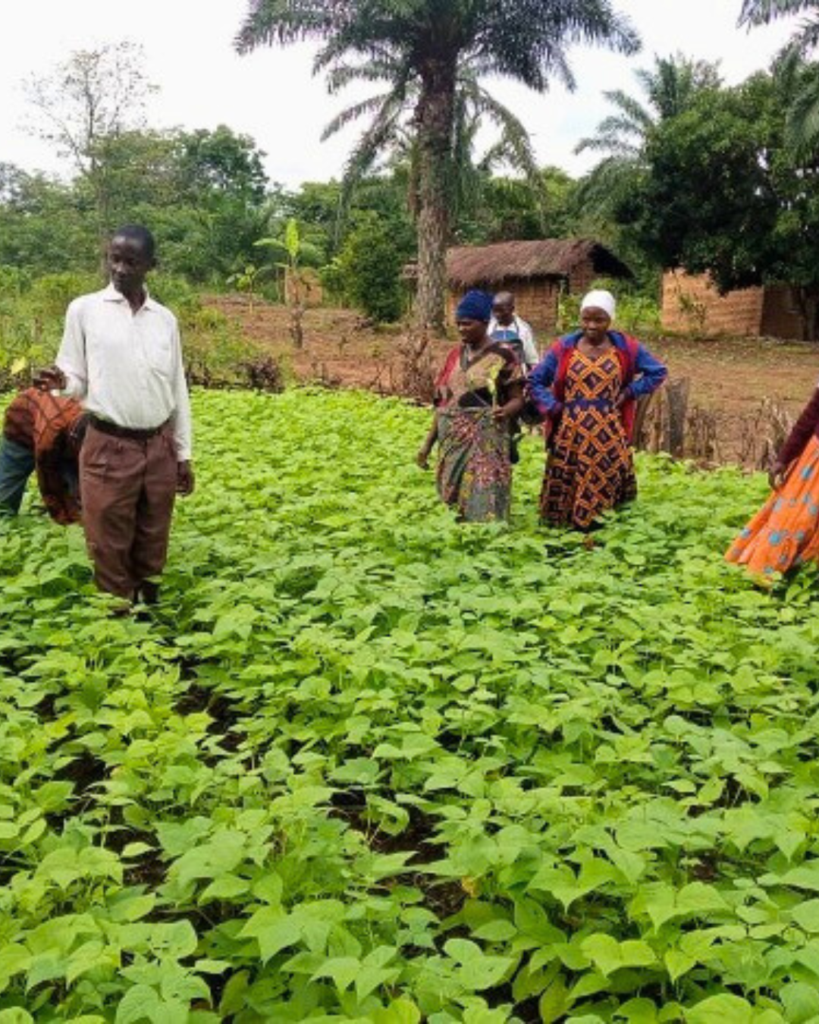
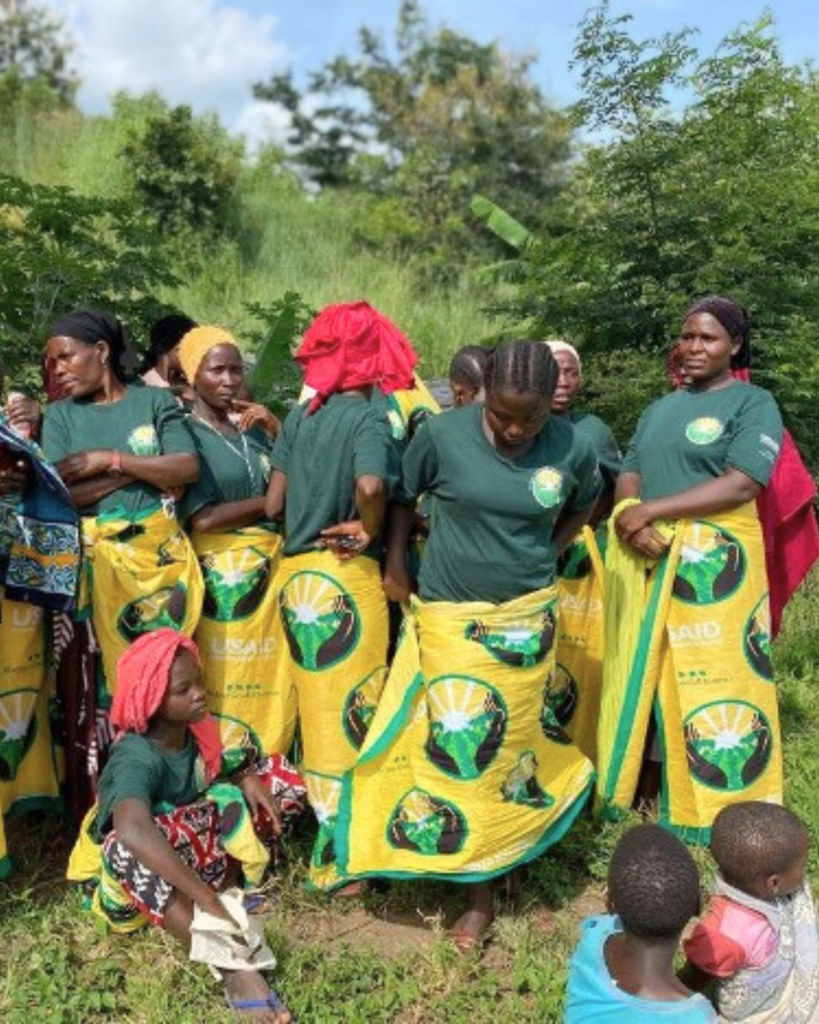
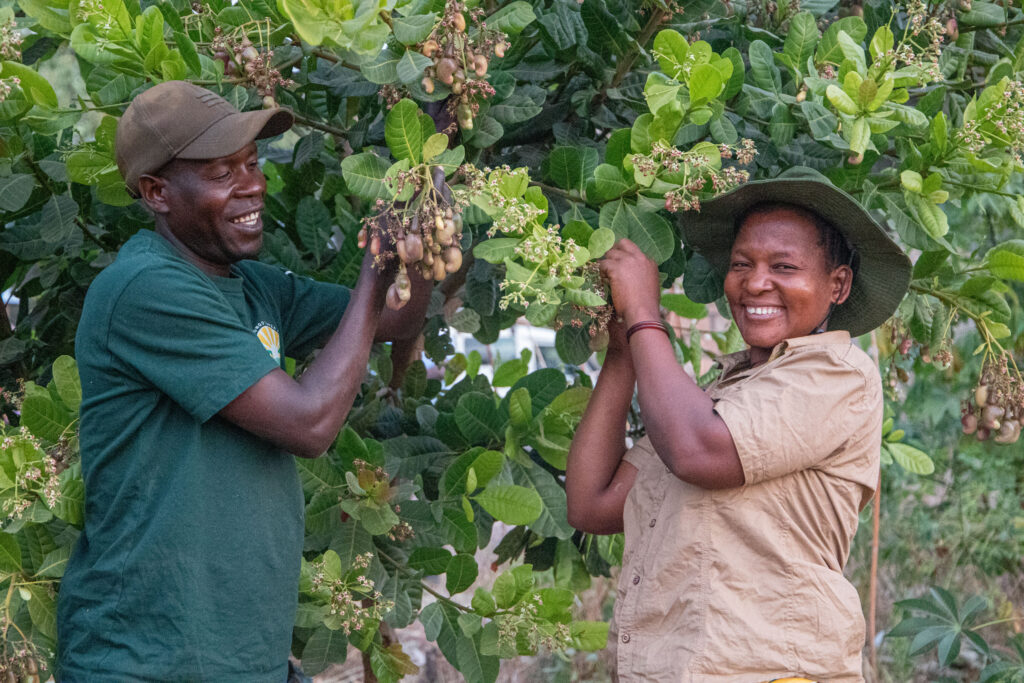
Through these discussions, composting emerged as a particularly promising solution. It directly addressed soil fertility issues, had visible, short-term benefits for farmers, was low-cost, climate-smart, and could be done using locally available materials. The team shared the idea with a few farmers and colleagues, who were also optimistic about composting’s potential.
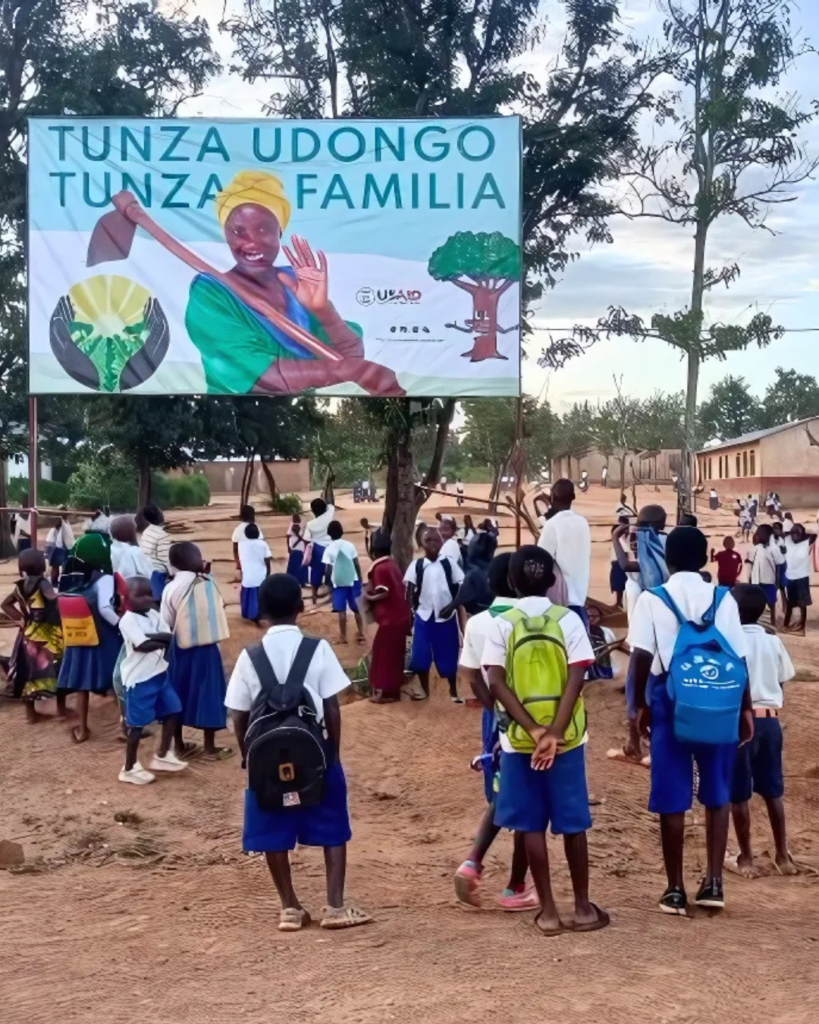
The project moved forward, as JGI staff engaged meaningfully with the community, listened to their frustrations, and collaborated on understanding shared goals. They spread awareness about composting, emphasizing the importance of family and security in their campaign name: “Tunza Udongo, Tunza Familia,” which is Swahili for “Care for the Soil, Care for the Family.” In addition to peer learning at select demonstration farms, JGI shared this campaign on popular radio stations, local billboards, and even through organized sporting events that brought the community together.
“Tunza Udongo, Tunza Familia” was a success, with initial farmers training their neighbors and expanding the program. By the end of the campaign, JGI staff had formally trained 605 farmers in composting across 11 villages. Even more exciting, we know of an additional 872 farmers in the villages who adopted the practice without JGI’s direct help. By working with the communities to understand their needs, coming up with a behavior that would meet those needs, and supporting them in implementing that behavior, the team at JGI Tanzania was able to protect essential riverine forest and improve local livelihoods for the long run.
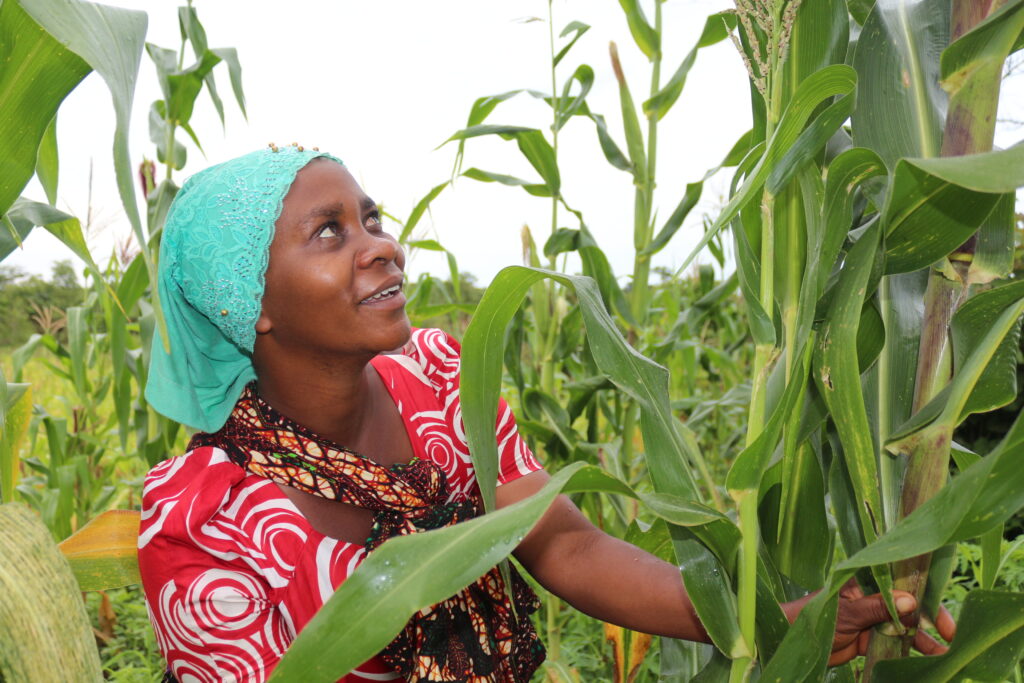
It doesn’t end here. The success of this behavior change campaign for composting in Tanzania opens up a whole world of behavior change campaign possibilities in the world of conservation.
The information above gives just a small window into planning, implementing, and assessing this campaign. From preparation to initial impact, our teams have learned many lessons in using behavior change for conservation and adapted along the way as needed. And now they are sharing these lessons with you.
🔗 Conservation Co-Created; When Communities and Nature Thrive Together is for practitioners who are eager to integrate behavior change into their conservation work, whether you’re part of a large NGO, a government agency, or a community-based organization. You don’t need a big budget or a background in psychology. What you do need is a willingness to try something new, to listen deeply to the communities you work with, and to start small while building confidence over time.
This book is for you if you’ve ever wondered:
• Why don’t people care, even though we’ve been telling them why this matters?
• Why aren’t people adopting the solutions we’re offering?
• How can we design programs that support ethical behavior change?
• Where do we even start if we want to apply behavioral science to conservation?
Through stories from our own “Tunza Udongo, Tunza Familia” campaign, this book will lead you through creating your own impactful, lasting behavior change campaign so that you can tell your own success story.
Photo credits, in order of appearance: JGI/Michael Pandisha, Jane Goodall Institute


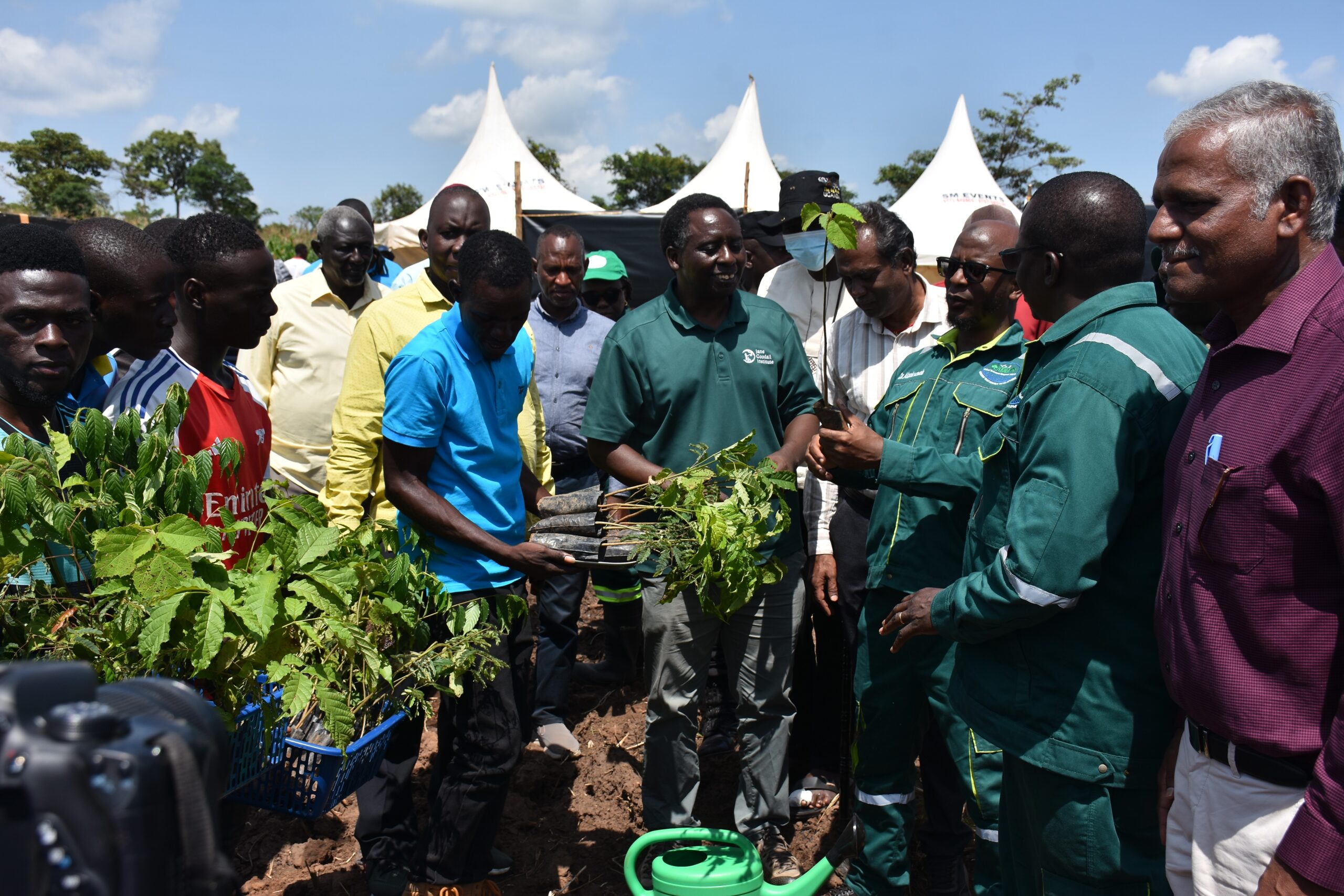
On June 8, 2026, the National Environment Management Authority (NEMA) in collaboration with the Jane Goodall Institute, Bunyoro Kitara…
October 1, 2026 marks the one-year anniversary of Dr. Jane Goodall ‘s passing. While we still feel her absence keenly,…
A newly released eastern gorilla assessment is shining a light on the species’ risk for extinction — and revealing that…