
September 8, 2026
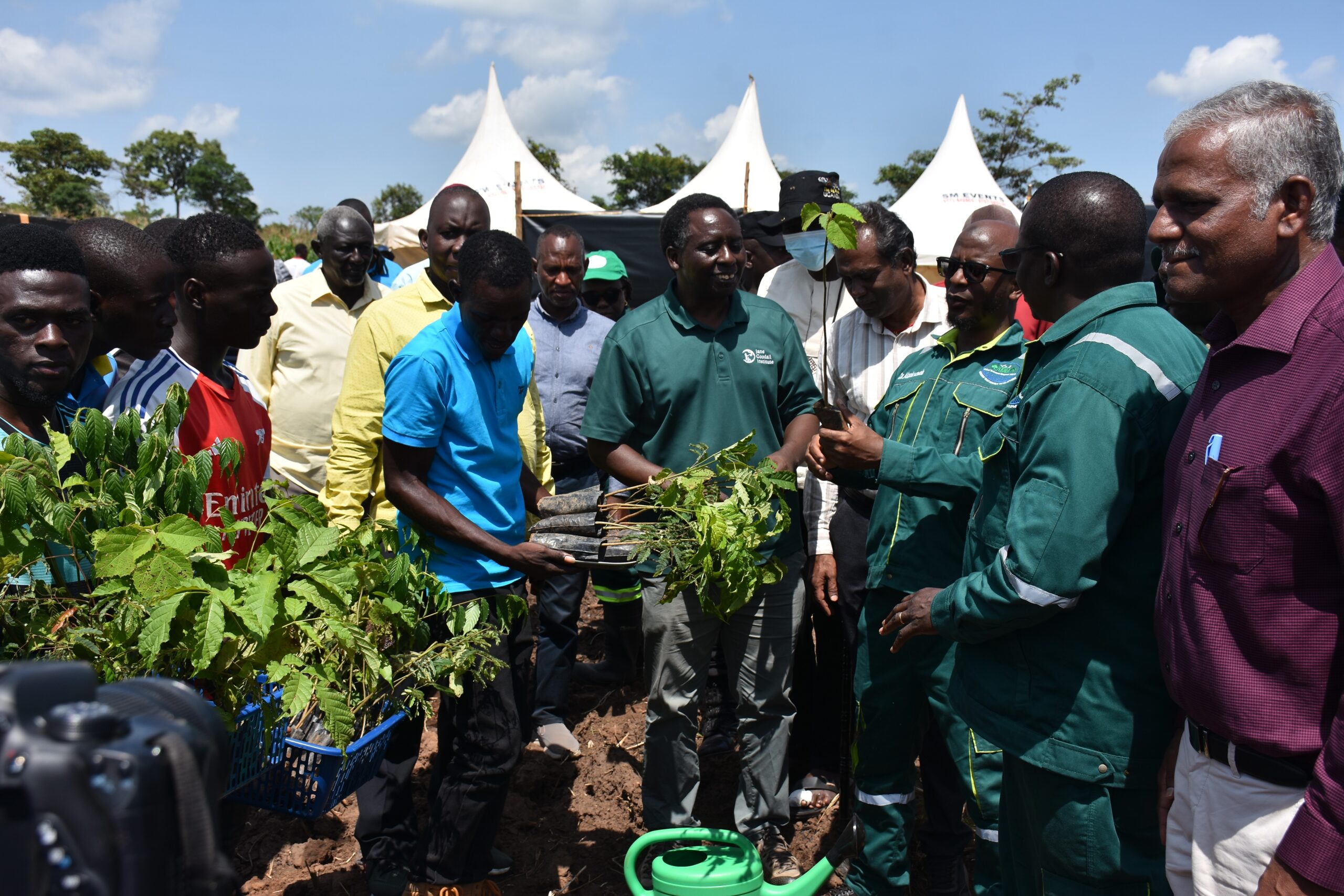
On June 8, 2026, the National Environment Management Authority (NEMA) in collaboration with the Jane Goodall Institute, Bunyoro Kitara Kingdom, and Hoima Sugar Limited launched the Kyangwali Mixed Land Use Project. The initiative is aimed at restoring the degraded natural forest landscape and enforcing the boundaries of the Bugoma Forest Reserve.
The initiative follows an environmental audit, which established that parts of the Kyangwali Integrated Agriculture Project had suffered degradation. This affected area was designated for forest conservation, eco-tourism, and cultural heritage protection. According to NEMA, “the degradation was largely caused by encroachment activities, including charcoal burning, cultivation, and other human disturbances that undermined the ecological integrity of the landscape.”
Following the audit, NEMA issued an Environmental Restoration Order requiring Hoima Sugar Limited to restore the affected conservation areas. They were instructed to follow a restoration plan developed in consultation with the Ministry of Water and Environment, National Forestry Authority (NFA), Uganda Wildlife Authority (UWA), Kikuube District Local Government, Bunyoro-Kitara Kingdom, and other conservation stakeholders. The restoration plan, approved in December 2025, provides for natural regeneration and enrichment planting of indigenous tree species across all degraded conservation areas.
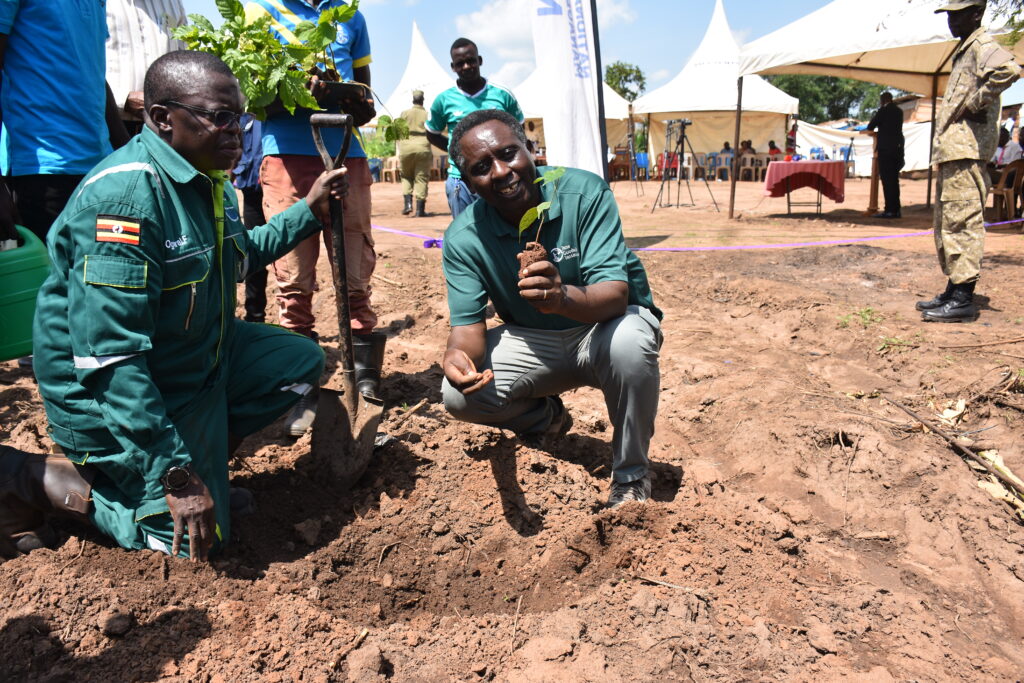
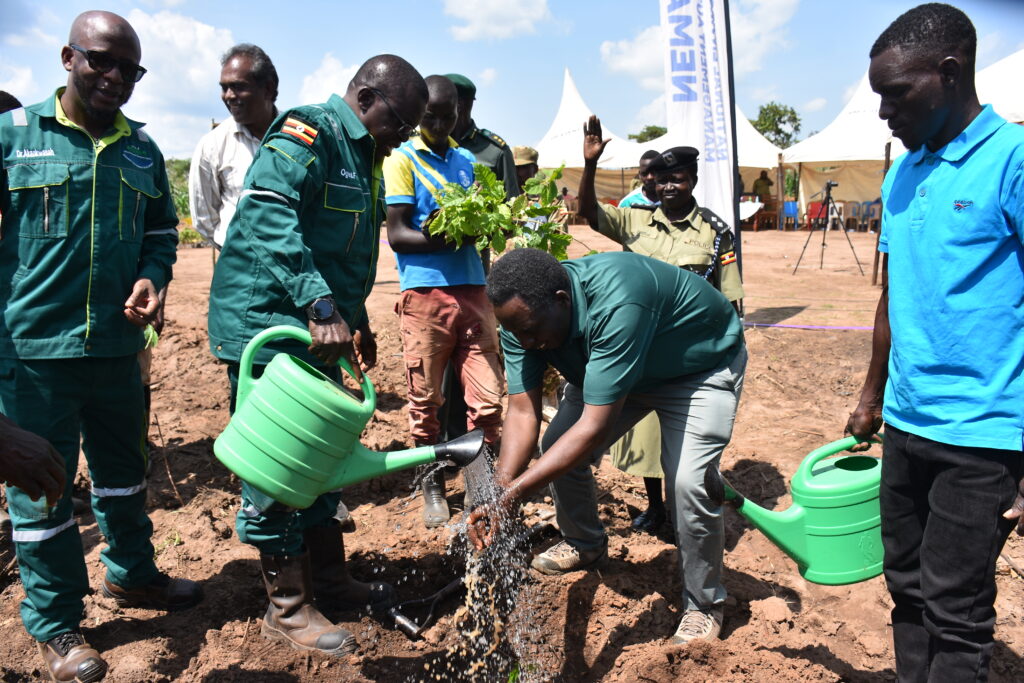
At the launch event, NEMA Executive Director Dr. Barirega Akankwasahshared that “The restoration program was the product of extensive consultations among government institutions, conservation organizations, cultural leaders, local communities and the private sector.” He added that, “The restoration process would continue until the ecosystem around Bugoma Forest regains its ecological integrity and conservation value, enabling it to support conservation and sustainable development.”
According to the signed Memorandum of Understanding (MOU), the Jane Goodall Institute Uganda is accredited as an independent technical partner. Our team will provide technical support, monitor restoration progress, engage communities, and promote alternative livelihood programs aimed at reducing pressure on restored ecosystems.
JGI Uganda’s Executive Director Mr. James Byamukama expressed that “We appreciate the opportunity to offer technical guidance during the implementation of this intervention. We have been part of these communities for a long time doing similar work. Between May and June 2026, we successfully planted 940,796 trees in the four districts of Kagada, Kikuube, Masindi, and Buliisa. From inception, we have planted over 6 million trees across the Albertine Rift Region.”
He added, “We are committed to this cause with the objective of preserving the ecological integrity of one of western Uganda’s most important forest landscapes, including restoring forest cover and habitat for chimpanzees and other animals, improving rain formation, reducing pressure on existing forests, providing wood fuel for cooking and timber for construction, and increasing household incomes.”
The Kyangwali landscape in Kikuube district is part of the Albertine Rift region — a vast piece of land facing several environmental challenges, including habitat loss for chimpanzees and other animals, deforestation, and human wildlife conflict. By setting aside land for eco-tourism, cultural heritage conservation, natural forest protection, wetlands, nature trails, and community green spaces, the Kyangwali Mixed Land Use Project is facing the roots of these challenges and creating a future where people and wildlife can thrive together.
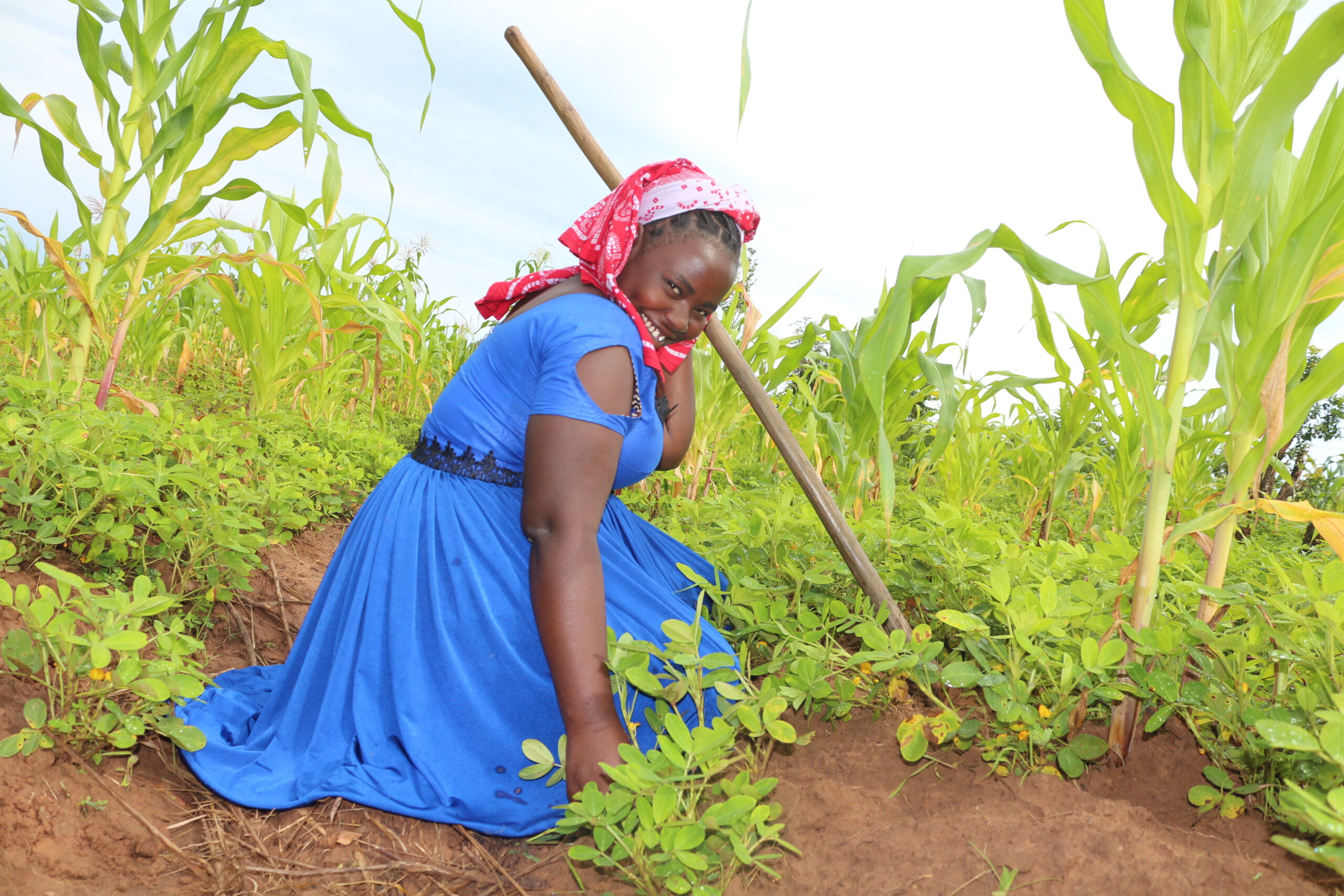
Photo credit: JGI/David Omoding


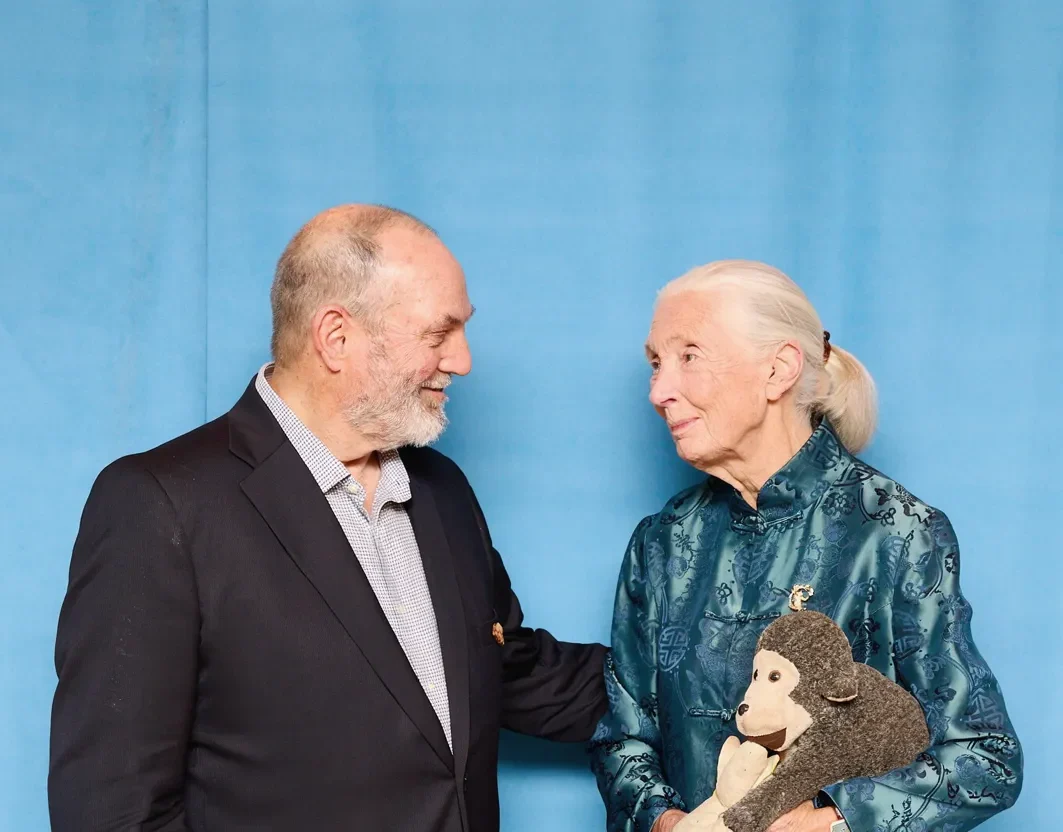
The Jane Goodall Institute is deeply saddened by the passing of our longtime friend, supporter, and leader, Donald…
How do you create conservation campaigns that have lasting impacts? You can explain why protecting the environment is…
October 1, 2026 marks the one-year anniversary of Dr. Jane Goodall ‘s passing. While we still feel her absence keenly,…